The Mummy (1932)

Directed by Karl Freund [Other horror films: Dracula (1931), Mad Love (1935)]

I won’t keep people in suspense: I’ve never been a big fan of The Mummy. It’s a decent movie, but I think the 1959 Hammer version is fresher, and while I definitely appreciate aspects of this film, it’s always been one of my least favorite classic Universal films.

Like both Dracula and Frankenstein, my parents owned The Mummy on VHS. In fact, though I’ve not watched it via that medium, I still own the VHS tape. Like Dracula and Frankenstein, I saw this when I was a kid. Unlike Dracula and Frankenstein, I was somewhat bored even then.

Look, it’s a dry film, even for the time. Hand on heart, I truly believe the opening is as classic as anything from Frankenstein or Dracula – the muttering of a spell, Karloff’s mummy slowly coming back to life, his hand dragging across the table, Bramwell Fletcher’s character seeing the mummy, and laughing hysterically, the mummy’s bandages trailing out the door as he shambles off. “He went for a little walk. You should have seen his face.” I think that opening is fantastic.

And the rest of the film is okay. I never really cared for the whole “you have the soul of a woman I loved over three thousand years ago and so I’ll make you love me like you did back then” thing, which is why I don’t often find mummy-related films that compelling. I like the idea of mummies, but like scarecrows, there’s so few mummy movies I dig (and most of the ones I do tend to be the Hammer films).

Certainly Boris Karloff (The Devil Commands, House of Evil, The Invisible Ray, The Body Snatcher, Voodoo Island) does a great job in his role. I love his slow movements throughout the film, and I can buy that he’s quite old. Arthur Byron and Edward Van Sloan (Dracula, Before I Hang) were fun in their scenes, and though generic, David Manners (Mystery of Edwin Drood, Dracula, The Black Cat) was serviceable. As discussed, Bramwell Fletcher (The Undying Monster) has one of the most classic scenes from Universal horror, and though I don’t love the character arc, Zita Johann was solid.

It’s not a matter of performances, of course, as most of them are great. It’s just that I don’t love the story. It’s not even a bad story – it’s just not a story I care for, nor find that engaging, where I find most of the 1959 Hammer film otherwise.

Even so, The Mummy is a classic, even if I personally consider it a lesser classic, and though it’s not a film I’d go to watch nearly as often as most other Universal classics, it still has it’s place and certainly has it’s fans.

6.5/10

The Ghost Lights (2022)

Directed by Timothy Stevens [Other horror films: N/A]

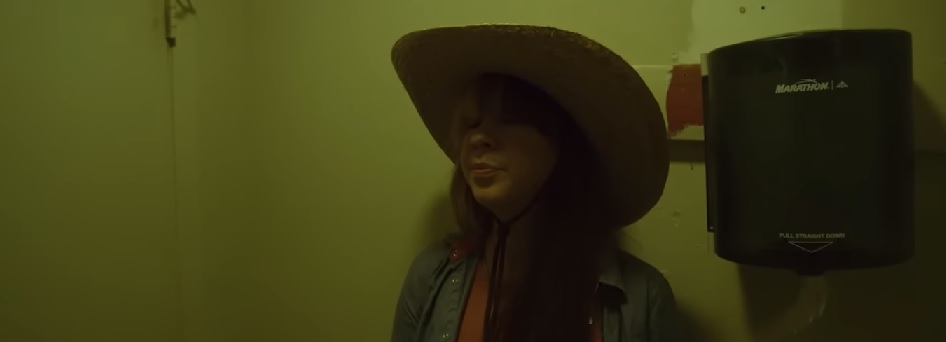
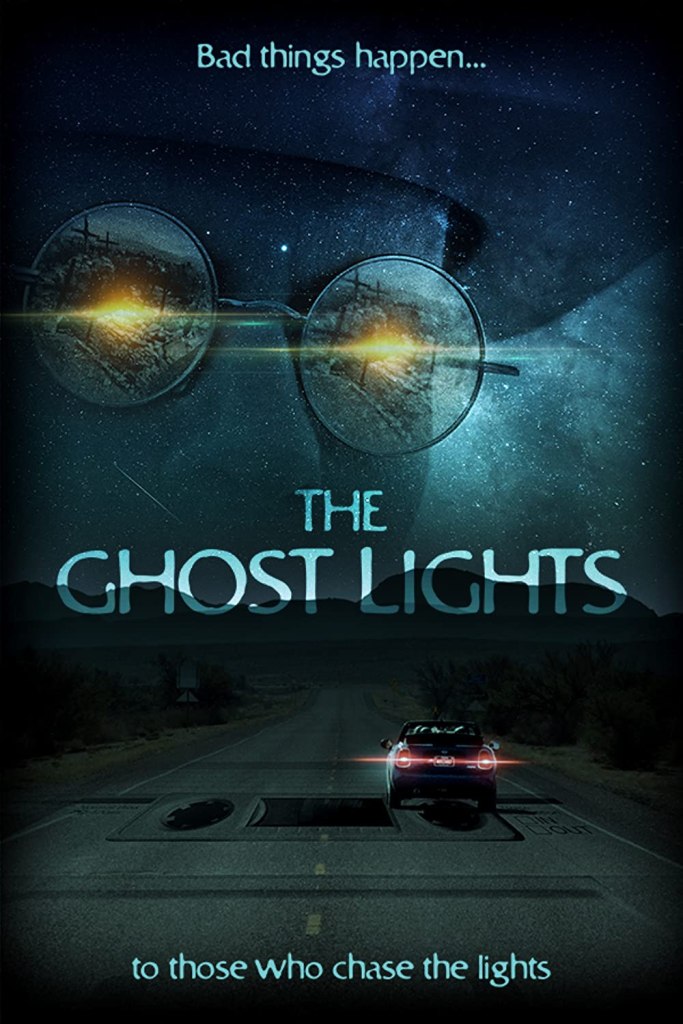
I didn’t quite know what to expect when going into The Ghost Lights, but I do know that what I got wasn’t exactly it. This low-budget science-fiction/horror/drama mix does have a few solid ideas and performances, especially toward the finale, but I can’t say the whole of the film was exactly to my liking.

The base idea is solid, though – the daughter of a recently-deceased newspaper reporter goes down to the ghost town of Terlingua, Texas to figure out what the ghost lights, a topic her father had worked on, are. It’s nothing special, but it has promise. We have some mysterious lights, potential government agents, superstitious locals – the elements are all here.

It has to be said, though, that a lot of The Ghost Lights felt like set-up for a larger story. Though the film is around an hour and 26 minutes, it’s not until an hour and 12 minutes in that Katreeva Phillips’ character actually reaches the small town of Terlingua. I will give the movie props for having a decently emotional finale, but I still don’t know if it was worth it. Seems like a classic case of all hat, and no cattle.

Katreeva Phillips did decent with her role. I will admit that she started out a bit shaky, and I found some of her character’s choices obnoxious, but I did applaud the emotion she brought into the role. Related, I didn’t actually care for John Francis McCullagh’s character for most of this film, but I do think he too shined in the finale. Billy Blair (Nocturna, Cherokee Creek) was perhaps the most consistent performance, and though Timothy Stevens’ character didn’t have much character, he still looked occasionally threatening.

As solid as portions of the finale were, though, there was just too many unanswered questions here, such as what exactly the ghost lights are, and what the man in black’s (potential government agent) goal was, and what, if any, interest did the United States government have in mysterious lights. It’s not like Howard’s Mill, where it makes sense that we wouldn’t find out these answers – these are things that could have been addressed in the film, had they wanted to do so.

All this said, I will say that the cinematography looked quite nice, and because they filmed in Texas, much of the scenery does look lovely. The special effects, when they use them, seem decent, and again, I thought the ending, despite leaving us completely in the dark about everything, had solid emotional resonance.

The Ghost Lights might make an interesting lower-budget science fiction movie – one, according to the credits, was at least partially funded by Indiegogo – but as a horror film, I think The Ghost Lights was rather lacking in meat. I wouldn’t go as far as to say the film is bad, and to the right audience, it may hit the right spot, but personally speaking, it’s not one that I think I’d spend time with again.

5.5/10

Piranha (1978)

Directed by Joe Dante [Other horror films: The Howling (1981), Twilight Zone: The Movie (1983, segment ‘It’s a Good Life’), Gremlins (1984), The ‘Burbs (1989), Gremlins 2: The New Batch (1990), Trapped Ashes (2006, segment ‘Wraparound’), The Hole (2009), Burying the Ex (2014), Nightmare Cinema (2018, segment ‘Mirari’)]

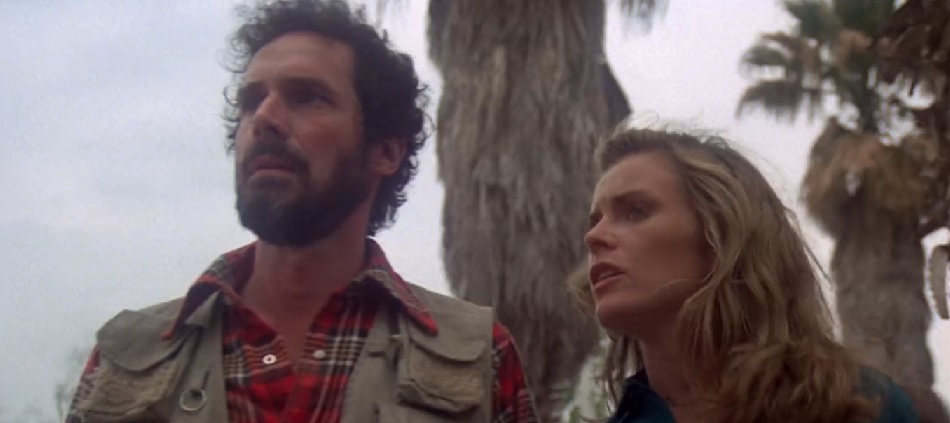
Sometimes considered one of the better Jaws rip-offs, Piranha is a decently fun movie. It feels at times sluggish, and at times repetitive, but even with those mild drawbacks, there’s no doubt to me it’s an entertaining film with some good political messaging.

If anything, this film is further points out that we never should have gone to Vietnam. It was one of the biggest foreign policy atrocities in the history of the USA, and given the USA’s history, that’s certainly impressive. On August 4th, 1964, the USA claimed that North Vietnam attacked some US ships. It never happened, and led to a pointless war that killed millions of Vietnamese innocents, not to mention innocents from our own country, and why? Because communism was so scary to the USA that they had to attack those who preferred that system.

Wait, what? That might sound like a tangent, but it’s not. The fish in this film were made specifically to be dumped into North Vietnamese rivers in order to kill innocents and end a war the USA themselves started, and they wanted to kill these innocents (as they do to this day) all in the name of “defense.” Oh, and “the American way,” because the American way is to kill innocents, as both Republicans and Democrats have shown for the last hundred years.

To make my personal politics clear, I’m a socialist. I vote third party, and generally encourage others to look into doing the same. Most of the time, though, my politics don’t matter when it comes to horror. I might mention them every now and again, but horror films are generally about escapism, and Piranha is no doubt a largely fun movie.

But when you consider the origins of the fish to begin with, which sounds entirely inline with something the USA might do, it’s hard to laugh, especially as this abomination of a country has killed so many innocents abroad, and continue to do so to this day (our support of Israel, for instance, is disgusting).

This isn’t entirely about my politics, though – let’s talk some Piranha. Solid political messages aside, this film does take a little bit to get going. Things do pick up nicely around the halfway point, to be sure, but when they do, and the piranha begin attacking people in the lake, I can’t say it doesn’t feel a tiny bit repetitive. It’s all still fun, but even so, repetitive.

There are some great scenes – the raft scene early on is probably one of the more suspenseful raft scenes in horror (up there with The Burning and Creepshow 2), and it was well-done. Both the attack on the summer camp, as well as the water park, were great, and though we never really got too much in the way of gore, there was blood here and there, and you could see there were a hell of a lot of injuries from both attacks.

Bradford Dillman (Moon of the Wolf, The Mephisto Waltz, Fear No Evil) and Heather Menzies (Sssssss) make pretty solid leads. They’re entirely different people, but before long, they work together pretty well. Barbara Steele (Lo spettro, Nightmare Castle, Black Sunday) and Bruce Gordon make for good antagonists, and of course, you also get some appearances from familiar faces, such as Dick Miller (Gremlins, A Bucket of Blood), Belinda Balaski (The Howling), and Paul Bartel (Eating Raoul), all of whom add a little something.

Even with the fine performances and generally decent story, I can’t say Piranha has ever been a true favorite of mine. It’s a well-made movie, and things come the conclusion are pretty solid, but when it comes to the late 70’s, there’s so many other films I’d rather spend time with (Halloween, Phantasm, Alien, Orca, The Swarm, and Damien: Omen II all come immediately to mind).

Piranha is still a decent movie. It may even be a little above average, but it’s close. It’s a fun film, but being fun isn’t all a movie needs (at least in this case), and though it’s a film I definitely recommend, it’s not one I go back to all that often.

7/10

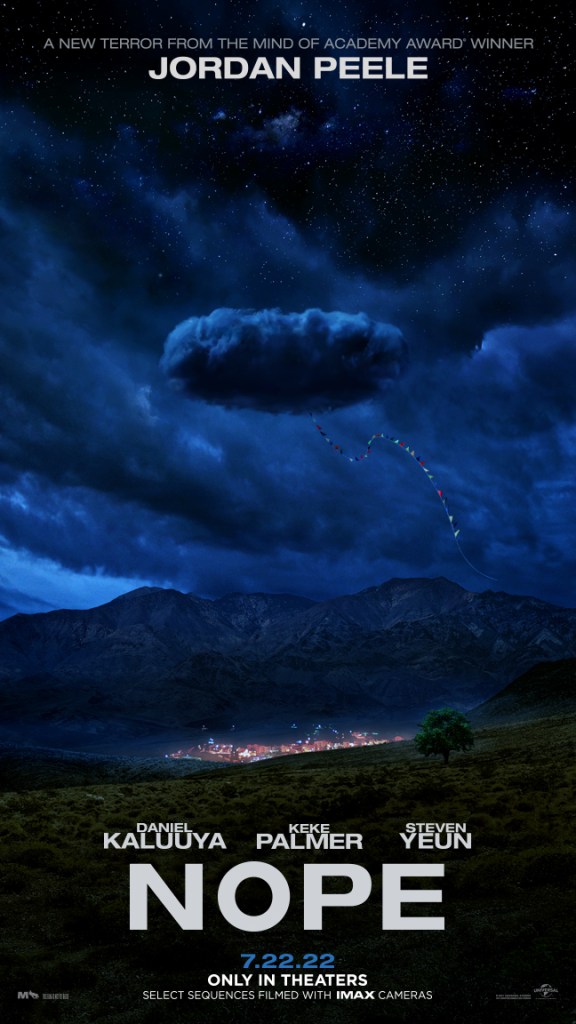
Nope (2022)

Directed by Jordan Peele [Other horror films: Get Out (2017), Us (2019)]

Perhaps among one of the more hyped films I’ve seen from the genre in the last couple of years, Nope was a pretty mysterious movie from the beginning. I never got much in the way of plot from the trailer, and I’m guessing most people walked into this one knowing only that Jordan Peele was at the helm, and that was enough.

I enjoyed Get Out well enough, and I’ve not yet seen Us, but I can say that Nope wasn’t really my thing. No doubt it’s a unique movie in many aspects – while the narrative structure isn’t abnormal, the characters and plot certainly are – and more so, the movie looked stellar on a cinematography level. Plenty of people seemed to enjoy it well enough, and I certainly don’t doubt their sincerity, as there’s potentially a lot to enjoy, especially toward the finale.

Among my many issues, though, are the characters, few of whom I understood. Daniel Kaluuya’s character recently lost his father, so the fact he’s so non-expressive can be excused, but I didn’t get Keke Palmer’s personality at all. Perhaps it’s just too loud for me (and apparently she’s a musician, which I didn’t know until writing this review), but I found her character very difficult to understand. Related, Michael Wincott’s (Alien Resurrection) character seemed so odd to me, as did Steven Yeun’s (Mayhem). At the very least, Brandon Perea sort of felt like a person, so that’s something.

It’s not just the characters, though – I didn’t get why they threw in the random subplot with the chimpanzee that went ape-shit (pun moderately intended). Perhaps they felt it thematically-appropriate, but it just felt random and unnecessary to me, especially as it didn’t really add much to Yeun’s character.

The finale did have a decent amount going for it, and again, the plot here – dealing with an unidentified flying object in the California skies – went in an interesting direction, but I also have to be forthcoming and say that, given the movie was two hours and ten minutes long, I can’t imagine wanting to sit through this one again, especially as I didn’t relate to any of the characters.

Nope just felt odd to me. Certainly some people enjoyed it, and I think the marketing was pretty impressive, but on the whole, I can’t say I really liked this. I didn’t hate it or anything, but it’s not my idea of enjoyment. Oh, and I also have to point out that I don’t care for the title – I don’t know if it was trying to be funny, but as a title, Nope doesn’t do it for me. Still, the movie worked for some people, and perhaps, if I see this in the future, I’ll enjoy it a tad more.

6/10

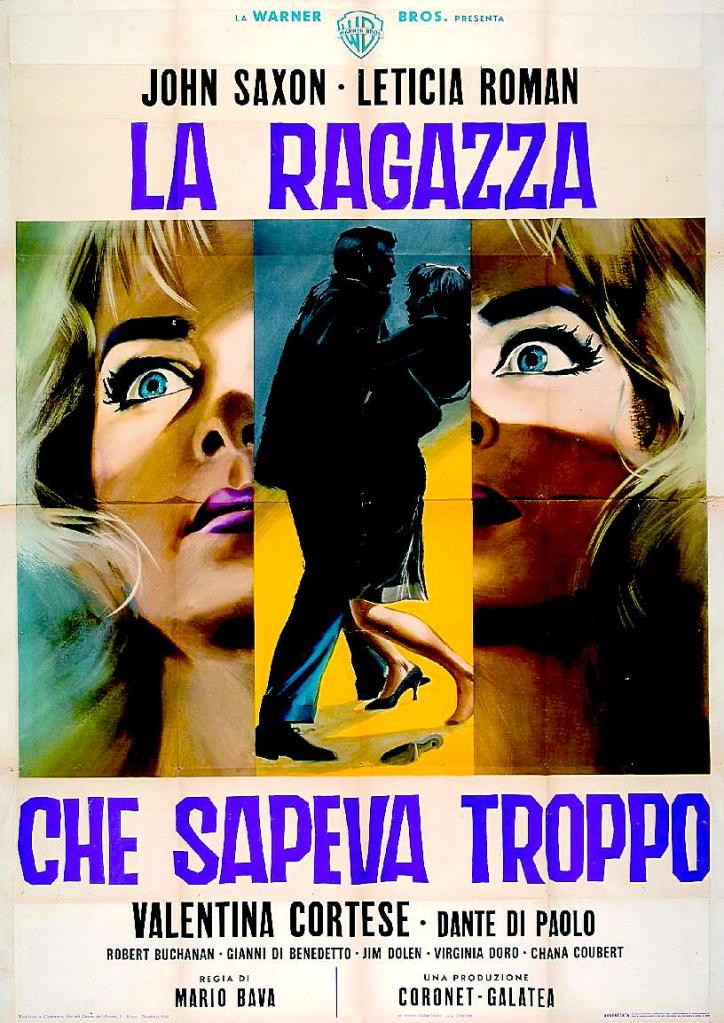
La ragazza che sapeva troppo (1963)

Directed by Mario Bava [Other horror films: I vampiri (1957), Caltiki il mostro immortale (1959), La maschera del demonio (1960), Ercole al centro della Terra (1961), I tre volti della paura (1963), La frusta e il corpo (1963), 6 donne per l’assassino (1964), Terrore nello spazio (1965), Operazione paura (1966), 5 bambole per la luna d’agosto (1970), Il rosso segno della follia (1970), Ecologia del delitto (1971), Gli orrori del castello di Norimberga (1972), Lisa e il diavolo (1973), The House of Exorcism (1975), Schock (1977)]

Known under both The Evil Eye and The Girl Who Knew Too Much, this Italian classic directed by Mario Bava is often considered one of the earliest gialli. In truth, while I don’t mind that claim to fame, it’s nowhere near as memorable as the following year’s Blood and Black Lace, and while an okay movie, I don’t know if La ragazza che sapeva troppo really stands out that well.

A giallo it may well be, and there are certainly familiar elements here (an American witnesses a murder and attempts to figure out who the mystery killer is), but there are also quite a few missing elements. For one, the film’s nowhere near as vibrant, a big reason being the movie’s black-and-white. The killer also doesn’t wear any type of face covering. No doubt the mystery is decently solid, but it doesn’t quite feel what you might expect after seeing later gialli.

One small thing that did take some getting used too was the use of interior thoughts. Sort of like first person narration, though it’s just the thoughts going through some character’s minds. It doesn’t pop up too often, and mostly revolves around the main character played by Letícia Román, but it was somewhat interesting, and occasionally seemed an odd choice.

Personally, seeing a younger John Saxon (A Nightmare on Elm Street, Tenebre, My Mom’s a Werewolf, Black Christmas) was a big selling point, but I can’t say his character made a huge impression on me. Letícia Román made an okay lead, but some of her character’s decisions were pretty sketchy. I did rather like Dante DiPaolo here, and Valentina Cortese (Un’ombra nell’ombra) did pretty well, especially around the finale.

From my understanding, some versions of the film (under the title ‘The Evil Eye’) have removed some scenes and added a bit of comedy not apparent in the original. Given this is the version I believe I watched, I can say that tonally, it seemed sometimes inconsistent. None of the comedy is over-the-top by any means, but the movie just felt a bit whimsical at times, and I don’t think that was a great decision. Also, the ending (what with a random murder on ski lift-type things) just felt sort of ridiculous.

Obviously, Mario Bava was one of the most important Italian horror directors of the 1960’s. Before this film, he was behind films like Black Sunday and Hercules in the Haunted World (along with films he wasn’t credited for, such as Caltiki and Lust of the Vampire), and while Black Sunday is well-appreciated, I think he hit his stride later on, Blood and Black Lace being one such example. Blood and Black Lace has some similarities to this, to be sure, but it feels more polished, and being in color, feels so much more like the gialli I’ve grown to love.

All of this is to say that La ragazza che sapeva troppo is an okay film, and it’s certainly watchable, but I don’t think it’s a particularly great movie. If you’re interested to see how gialli got their start, it’s worth a watch, but otherwise, I can’t say this film has that much to offer, at least the print I happened to see.

6.5/10

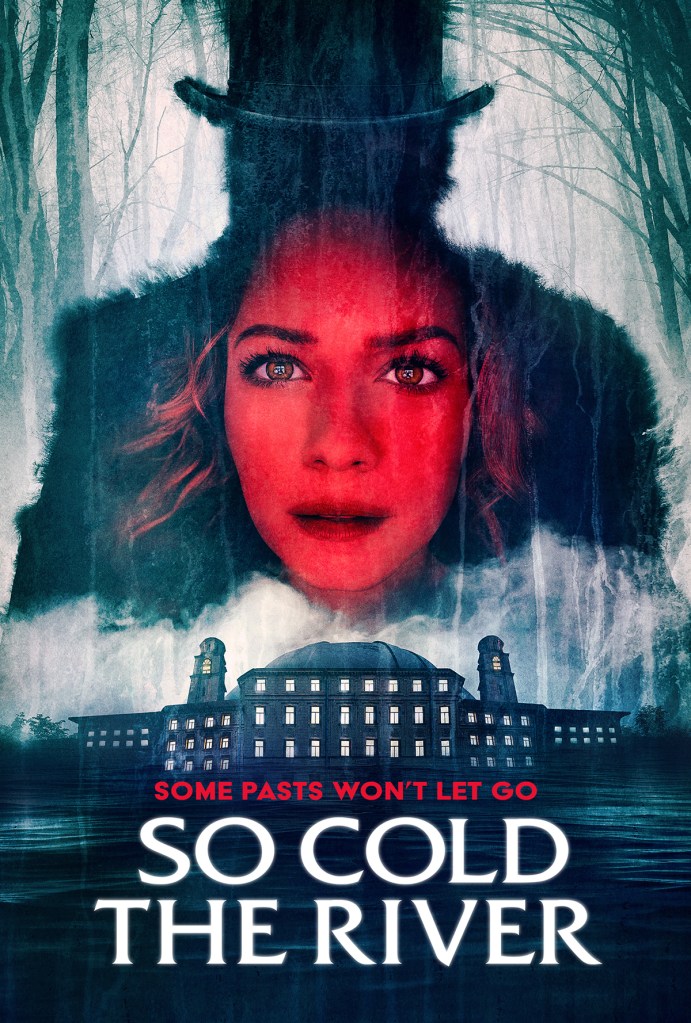
So Cold the River (2022)

Directed by Paul Shoulberg [Other horror films: N/A]

For a couple of reasons, I was really hoping that I could have a good time with So Cold the River. I mean, read the plot – does it not sound intriguing? Because of that mild hope, I find myself quite disappointed with this one, and most unfortunately of all, I don’t even exactly know why.

Based on a 2010 novel of the same name, written by Michael Koryta, So Cold the River follows a filmmaker’s attempt to discover the life of one Bradford Campbell. What makes this stand out more, on a personal level, is that the movie was filmed in Indiana – both West Baden Springs and French Lick. Now, to be sure, these towns are in southern Indiana, whereas I live in northern Indiana, but still, it’s nice to have some local flavor.

Even so, while the movie definitely had potential – and more so, definitely had a decent production value behind it – I found much of this underwhelming, and as I alluded to, I’m not even sure why, to be honest. Part of it, I think, has to do with the fact that I still don’t have a clear image of who Bradford Campbell was. They dip into his past a little bit, but I just felt there was more to the story that they never got to.

I’m also not wild about Bethany Joy Lenz’s character. Even from the beginning, before the random flashes and visions and gulps of water, I just couldn’t get into her. And speaking of the water, there’s some importance given to a bottle of water in this film. No idea what that importance is – there was a scene at the end that might have explained it to someone, but certainly not me – so there’s another thing that felt off.

That’s probably the main issue. Plenty of threads were interesting – the Rebirth celebration, the bottle of water (which is connected to the origins of Bradford Campbell), the hotel – but nothing was tied together particularly well. It hurts all the more because, as I said, I think a lot of these elements had potential, and as a Hoosier, I can’t help but root for movies made in my state.

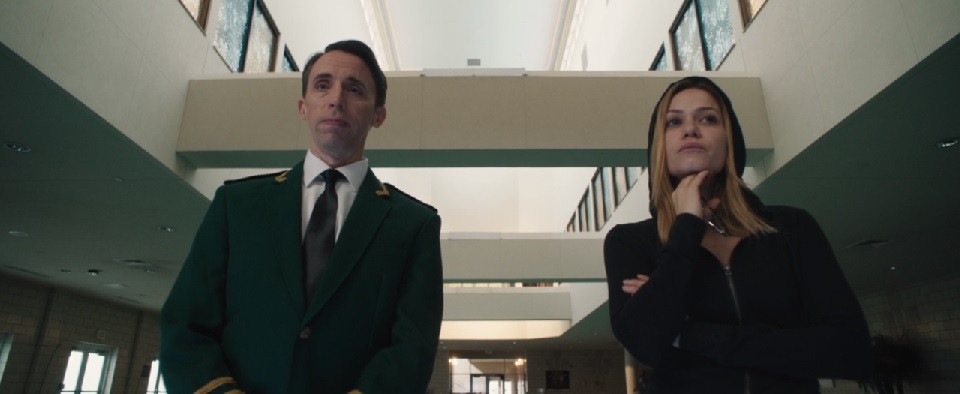
None of this is to say the performances were poor. Though I didn’t care for her character, I thought Bethany Joy Lenz (Thinner) did fine. More interesting to me was Katie Sarife (Annabelle Comes Home); her character could have had more depth, but at least she was involved in the finale. Kevin Cahoon was pretty fun as a cheery hotel worker (“That’s a fun interpretation of formal attire”), and while I think more could have been done with his character, Andrew J. West (Nightmare Code) had a good look to him.

More than anything, watching this movie makes me want to read the 2010 novel. I’ve never read anything by Michael Koryta – in fact, I’ve never heard the name – but I have to imagine that the novel is more fleshed out than the film is, and I wouldn’t mind giving it a try.

The production value behind this film was solid. The filming locations looked great – we even get extended scenes in the West Baden Springs Hotel, which just looked beautiful. If you’ve not seen what the hotel looks like, you’re missing out.

Everything looked nice in this movie, and I think it’s a damn shame that So Cold the River didn’t have the story to back it up. I will say I thought the finale was decent, but still, shining a bit more light onto exactly why the things that were happening were happening would have been nice.

5.5/10

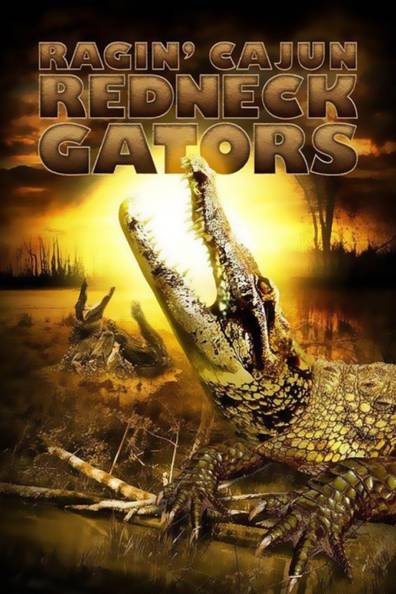
Ragin Cajun Redneck Gators (2013)

Directed by Griff Furst [Other horror films: I Am Omega (2007), Wolvesbayne (2009), 30 Days to Die (2009), Lake Placid 3 (2010), Maskerade (2011), Swamp Shark (2011), Arachnoquake (2012), Ghost Shark (2013), Starve (2014), Cold Moon (2016), Trailer Park Shark (2017), Nightmare Shark (2018)]

With a catchy title like Ragin Cajun Redneck Gators, you might wonder where the film goes wrong, and the answer, unfortunately, is in so many ways. Later retitled Alligator Alley (nowhere near as catchy a title, in my view), this film is just not a good movie.

Look, it’s a Syfy movie, so going in, you know you might be in for a somewhat rough time. Even so, the plot of this film is beyond the pale. Bad batches of moonshine have been dumped into the swamps, infecting the alligators. These alligators are then hunted and consumed. And those who eat them slowly turn into alligators themselves. Oh, and for some Louisiana flavor, there’s a long-time family feud between two families, the Doucette’s and the Robichaud’s.

If it had just been a general alligator attack film, and two families who hated each other had to work together to survive, that might be a tolerable story. But they just instead go an utterly ridiculous route and have people turn into alligators, because of course that’s what this movie was missing. It’s such a damn shame, as theoretically, the movie could have had potential.

Jordan Hinson (Living Among Us) was not particularly great here. I mean, she had the accent, so that’s fine, but I just couldn’t get into her character past a certain point, and the same can be said for many of the cast, such as John Chriss, Nicoye Banks, and Thomas Francis Murphy (Ozark Sharks). I do think that Ritchie Montgomery (Trailer Park Shark, Texas Chainsaw 3D) did great – his personality was fun, and his Cajun accent was hella unique. He was easily my favorite performance, and it’s a shame they took his character in a scaly direction.

I mean, what else can you say about Ragin Cajun Redneck Gators? The special effects were pretty terrible throughout (toward the end, one of my least favorite things happened, being blood splatter effect on the camera), the plot is laughably ridiculous (Hinson’s character referring to the alligator as “daddy” cracked me up quite a bit), and the film is a good example of what Syfy has become in more recent years.

When I first saw this film, I think I liked it marginally more, or at the very least, was more amused by it. Now, while I can appreciate the Louisiana setting and some of the elements here, it’s not really a film I’d care to see a third time; it’s just too silly.

5/10

Smart House (2023)

Directed by John Oak Dalton [Other horror films: The Girl in the Crawlspace (2018), Scarecrow County (2019)]

There are some movies that have pretty solid ideas, or pretty solid stories, and the execution gets in the way of allowing the film to be all it can be. I don’t think that’s the exact case with Smart House – elements of the film were perfectly suitable – but as an overall package, I have to admit that I was hoping for a bit more, especially in regards to the finale.

The idea behind the film was pretty unique, though – an ASMR streamer (Iabou Windimere) is held hostage by her hacked smart house, and her father (Tom Cherry), a hacker, does what he can under his own limitations (he’s on house arrest after hacking into the Pentagon) to save his daughter.

It’s a movie very much entrenched in our modern way of life – while I myself have never seen, nor been near, a smart house, I imagine they exist, and on the back-end of the film, what with the father trying to help his daughter out, a lot of hacker terminology is thrown around, and it’s that portion of the film I found most unique. To be sure, hacking has been a thing for decades, but as someone who knows little about that subculture, it felt modern to me.

I have to say two things, first, before proceeding. One, I’ve never understood ASMR. I know it’s popular, and apparently has it’s fanbase, but I never saw the appeal. That said, I’m a big fan of letting people have the freedom to enjoy what they enjoy, so if you’re into ASMR, keep doing your thing, brahs. I also wanted to mention that I was sent an advanced screener of this film prior to it’s official release – now, I didn’t watch this until after the film screened in Chicago, but I wanted to be open about how I was able to watch this one.

Where Smart House shines is the story, I feel. Windermere’s character is staying at her father’s smart house (he designed the technology, but because of his house arrest, isn’t allowed to actually be around technology, so he got screwed over there) and has to deal with a potentially abusive ex. There’s a bit of mystery surrounding how exactly Cassandra (the name of the smart house technology – think SIRI, or whatever those fancy phone things are called) got hacked, and who hacked it, but it’s also true that there’s not necessarily a big focus on this.

When the smart house actually begins threatening Windermere, you’d hope that things get more tense, and to an extent, they do. Under threat from the smart house, she begins a livestream, reading, in her dulcet ASMR tones, portions of Revelation, and no, it doesn’t sound any less creepy being read that way. On a side-note, I’m not quite clear what actual harm the smart house could have done to her – sure, it can keep her locked in the house, but what can it actually do to hurt her? – but perhaps I missed something.

It’s during her live-streams that I have a couple of points that veer negative. For one, while she’s doing her thing, we get footage of people listening to the stream. Well, that’s what I’m guessing it’s supposed to be – we just see a bunch of young people looking at their laptops. We never see what’s on their laptops – well, we do once, and it just seemed like the guy was checking his emails, amusingly enough – and it seems very much like stock footage. I get the point, in that it showed the audience she had, but it rung rather false to me, and sort of took me out of the film.

Another thing, and this might be super nit-picky (but to be fair, I was super nit-picky when reviewing We Are the Missing, so at least I’m consistent), but it has to do with the comment section on the stream. She was getting anywhere from 60,000 to 900,000 viewers on her stream, and the comments were coming in just as slowly as always. I’ve used Twitch before, and I’ve watched live streams on YouTube – once you get upward of 300 viewers, you’ll be hard-pressed to keep up with the comments, even if it’s a follower-only chat (a function that Twitch allows). Sure, that wouldn’t make for easy reading in a movie, but realistically, there’s no way she’d not get hundreds of thousands of more comments.

One other thing I wanted to touch on, though I’m not quite sure how to. When the hacker father attempts to help out his daughter, he reaches out to hacker friends of his. I’m not clear how he does it – he plays an orphaned game he saved on a flash drive that apparently his hacker friends are always online on? It’s here that I need to fully state that I’m not a computer science guy. I don’t know a thing about how computers work, so naturally, I don’t know a thing about hacking. It probably makes sense, I just can’t understand that.

Regardless, though, once he’s talking to these hacker friends of his, we sort of get their avatars as each of them speak up. The whole screen becomes the avatar, and it just looks somewhat odd. Actually, I was reminded of some of the visuals from the beginning of Tales from the Hood 2, a comparison I don’t like making, because this film is overall far better, but that’s just what came to mind. I understood the point of doing it that way, but I just wonder if it couldn’t have been filmed in, or executed in, a better way.

As the lead, I do think that Iabou Windimere was mostly solid. She had a few shaky pieces of dialogue, and I still don’t exactly know what she had to physically fear from the smart house, but she was decent in the role. Far more interesting to me personally, though, was Tom Cherry. I praised Cherry in Scarecrow County, and I liked him here too. His character was an interesting one (and tragic, considering what he gave up to save his daughter), and he’s right when he says that it makes no sense to enjoy Jon Pertwee’s Doctor over Patrick Troughton’s (context may be necessary here, but I’m not getting into it).

Otherwise, there’s not much insofar as physical cast members. Erin Hoodlebrink pops up for a bit, and her scene is pretty fun (in part because she shares it with Cherry), but most of the other names of import provided only their voices. For instance, voicing the smart house, is Brinke Stevens, a legend of low budget horror (known for, among many other things, The Slumber Party Massacre, Nightmare Sisters, and Victoria’s Shadow). The performances aren’t the most important thing here, though they’re mostly decent.

The finale here felt somewhat anticlimactic to me. Honestly, it all comes back to the smart house. I still don’t quite get how the smart house could have harmed Windimere’s character. Even if I did get that, the fact that much of the action is a hacker talking to other hackers and then the main antagonist hacker (in a scene that just felt too vague for me), well, that wasn’t exactly ideal. There’s not really any more action toward the end of this film than we got early on, and that was disappointing.

I’ve said a lot here, but I think I can boil it down to some base elements. I liked much of the story, but the execution didn’t really do it for me. I would have preferred a bit more detail behind the individual who hacked into the smart house and why they did so, and overall, though I don’t think it’s a exceptionally poor film, I would have to say that I preferred Scarecrow County to this.

5/10
The Hoot Owl (2022)

Directed by Jason Rader [Other horror films: N/A] & Jason Von Godi [Other horror films: N/A]

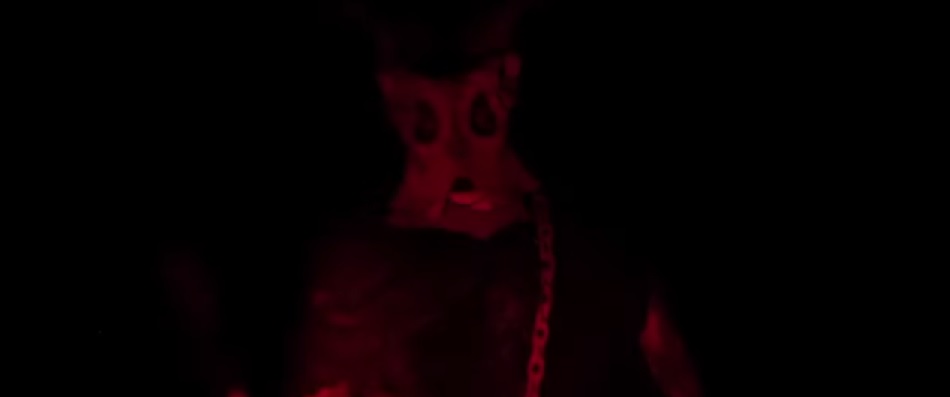
I can’t say that much about The Hoot Owl stands out. This low-budget slasher, filmed on location in the unincorporated community of Hagansport, Texas, did feature some okay gore, but despite being just an hour and 11 minutes, it felt a bit slow, and the massacre toward the end doesn’t really make up for the build-up.

Certainly, though, it was nice to get to know the characters here. It helps that generally, the cast is strong. Katharine Franco was perhaps the most forgettable, Carl Bailey (The Lotus, Evil Under the Skin) the most shaky, especially with some of the dialogue he had. Still, Augustine Frizzell made for a fair lead, and the friendship between J.D. Brown (Late Fee, Hunters, The Cemetery, Cross Bearer, The Burnt House) and Jason Skeen (By the Devil’s Hands) felt pretty authentic. Oh, and as someone who enjoys the occasional ganja, Roger Schwermer Jr.’s character spoke to me.

Still, it wasn’t until the final 18 minutes when anything of that much interest happened. And to be fair, when the gore came along, it was decent – a man’s head was sort of torn in half with a chain, someone else’s head was lowered into a bear trap, another got impaled through the eye. There was even a rather gruesome childbirth, shown in more detail than I personally cared for, toward the end. For a lower-budget film, the gore here showed a lot of promise.

The story, though, wasn’t exactly great. It had the basics down, but as around 50 minutes of the movie is just build-up and character-building, almost entirely without anything else going on, I can’t say it was that engaging. It was fun to set the film in rural Texas; that location was on point. I don’t think it makes the rest of the film much better, though.

We did have a bit of a psychological element toward the end regarding Augustine Frizzell’s character, and while I think it could have been executed better, it was still okay. Nothing game-changing, or even that surprising, but at least it had a little flavor.

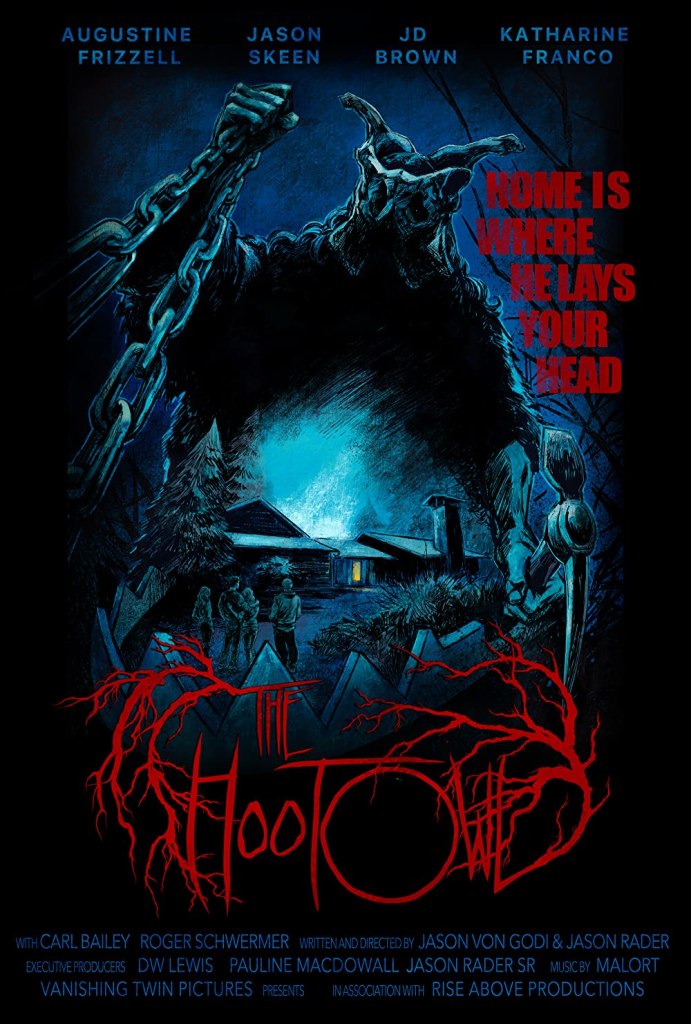
Overall, though, I don’t think The Hoot Owl is a movie that will end up being that memorable at all. For a lower-budget slasher film, it might be okay for a watch or two, but I don’t think it’ll become a cult classic anytime soon, and I definitely think it could have done some things better. Killer poster, though.

5.5/10

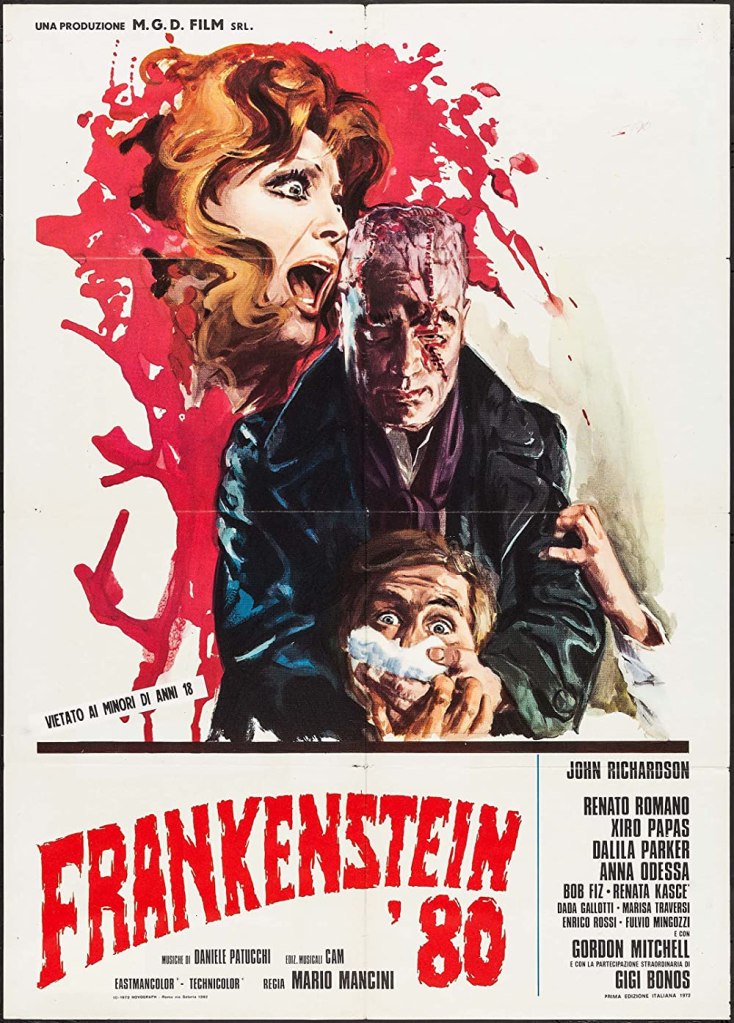
Frankenstein ’80 (1972)

Directed by Mario Mancini [Other horror films: N/A]

This Italian film isn’t really anything special, especially when you consider how rough the most common print of this film is. Even so, I’ve always found it on the more decent side of things, and though it probably doesn’t rise above average, Frankenstein ‘80 is a fun, trashy little movie.

Why it’s called Frankenstein ‘80, I don’t know. The ‘Frankenstein’ part makes sense – in the film a Dr. Otto Frankenstein creates a living being made of men, and christens it Mosaico (not a bad name, if I do say so myself). Where the ‘80 comes from, though, I’ve no idea. The body count is decent, but it’s not that high.

The print I own is from the Pure Terror 50 disc set from Mill Creek. It’s a rough print, as many of Mill Creek’s releases are – it’s sometimes blurry, the dubbing is so-so, and the aspect ratio may not be accurate (given the credits at the beginning of the film are cut off on both sides, which looks horrid). Even so, the nudity is intact, and the film itself isn’t too choppy, but this is a movie that might benefit from a higher definition release (and may already have one; I’m not exactly what you’d call up-to-date when it comes to Blu-ray releases).

Admittedly the story feels a little bit aimless for the final thirty minutes – at this point, Mosaico has escaped from the lab he was kept in and goes on a killing spree. Not that we don’t get kills throughout the movie, because we do, but it’s ramped up a bit, and throws in some more blood and nudity for good measure.

I liked John Richardson (Eyeball, Torso, and Black Sunday) as the lead, playing a reporter, and even more, I really liked how he was able to get the police chief, played by Renato Romano, on his side, and began working with him. Romano’s character even compliments him at the end of the film, which is a relationship I don’t see too often between police and reporters. Romano’s character was goofy at first, but I grew to like his irascible style, and I’m happy he finally got his cigarette in the final scene.

Gordon Mitchell (Dr. Frankenstein’s Castle of Freaks and Blood Delirium) did well as Frankenstein. We never really got much character from him, but we have enough background information to fill in the blanks. Playing the creature was Xiro Papas (The Beast in Heat, The Devil’s Wedding Night, and Sex, Demons and Death) who did a great job, especially given he wasn’t exactly the most emotive creature we’ve seen. Dalila Di Lazzaro (Flesh for Frankenstein) was probably the most generic of the main cast, but that’s mostly because at the end, her character annoyed me, as she was screaming as the monster was attacking a friend of hers, and instead of leaving the house to get help, she just stood there, screaming. Always a good use of one’s time in a situation like that.

None of the kills are the highest caliber, but for a Frankenstein movie, that can’t come as too much of a shock. Someone gets a hatchet to the face, others get strangled, someone gets their head bashed into a bathroom wall (which supplied some nice blood splatter), and another gets their throat slit. None of these are great scenes, but they’re mostly serviceable, and I can’t say any were bad.

That’s really how I feel about Frankenstein ‘80 as a whole. Even with the rough print, I enjoyed it the two times I’ve seen it, and though it’s by no means a stellar film, I do think it’s decent, and if you want an Italian horror from the early 1970’s that’s not a giallo, then check this one out.

7.5/10