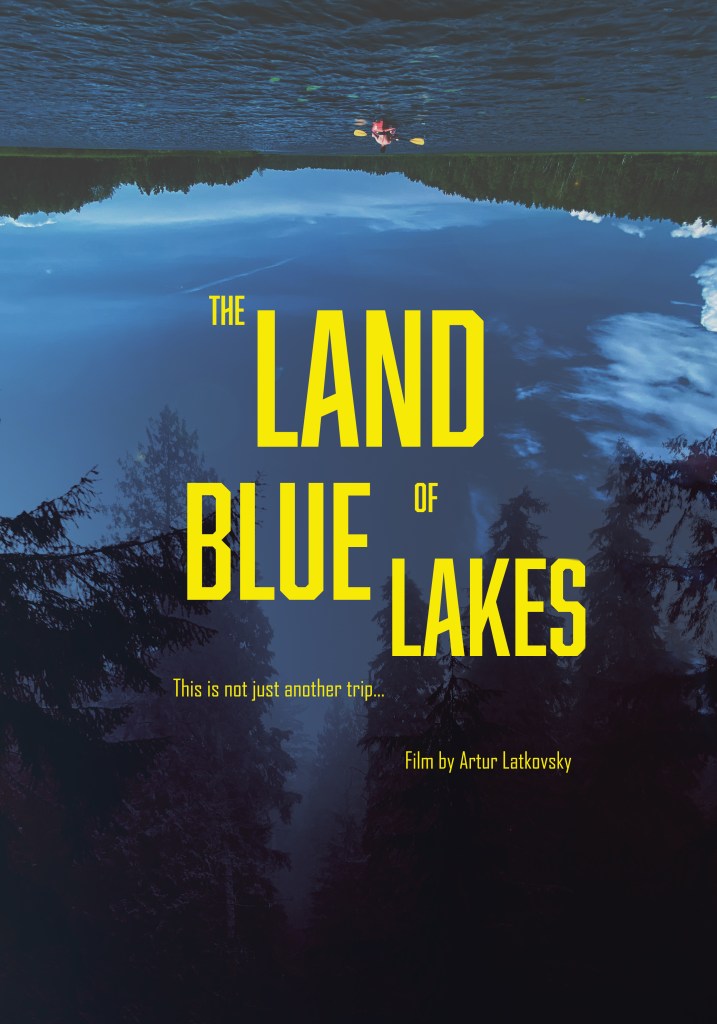
The Land of Blue Lakes (2021)

Directed by Arturs Latkovskis [Other horror films: N/A]

There’s little doubt in my mind that, while the story contained within this found footage movie tends to be a bit generic, The Land of Blue Lakes does have an odd beauty to it, what with the striking setting of Latvia.

To lay my cards on the table, I don’t know much about Latvia aside from their relation to the USSR. What I found interesting is that this film is in Russian, as opposed to Latvian – Russian is spoken by only about 38% of the country, whereas Latvian is spoken by around 60%. I imagine this relates to Russian immigration and the fact Russian and Latvia are geographic neighbors (along with the setting of Latgale). Either way, it stuck out to me.

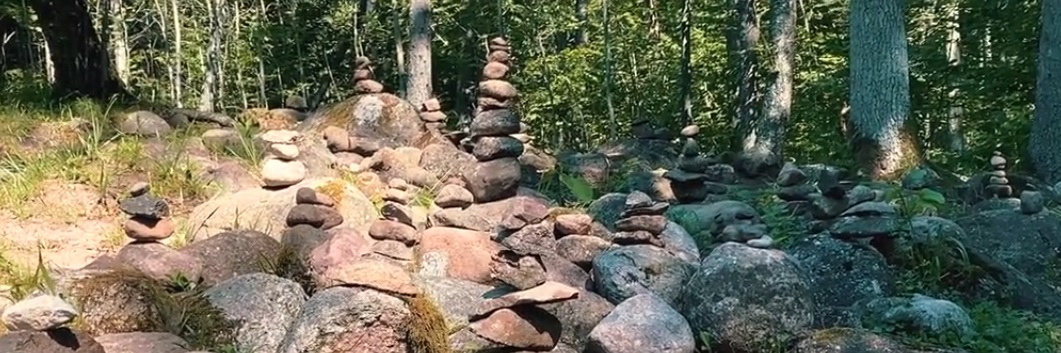
What also sticks out is how beautiful the movie looks. The film follows a group of five friends who go kayaking through various lakes and camp on different islands, all of which shows off the natural beauty of the environment. Certainly it’s more interesting than people investigating drab buildings.

The question then becomes is the film worth seeing?

Well, I have my personal problems with some elements of the film, such as the opening. To quote the film: “One year ago, five friends went on a trip and never returned. This edited video was found on one of the forums in [the] Deep Web.”

Now, aside from the fact the movie is playing itself off as true (which is something I’ve rarely ever been a fan of, given we all know it’s just a movie), there’s something else in that opening that bothered me, mainly the fact there’s a video at all.

What this implies is that after the events of the film, every media source was collected, and someone (or a group of people) went through all the phones (because the movie isn’t made in just a single POV – almost all of the friends, at one point or another, start recording something) and made a single, coherent video, potentially implicating themselves, and put it online.

Sorry, but I don’t buy it. It doesn’t make sense. It could have, perhaps, if the finale had been a little more clear-cut, but as the finale stands right now, I don’t buy it. I don’t see why the antagonists (if it was indeed the antagonists) would search through everyone’s cameras and phones, edit the multiple videos chronologically, and throw it on the internet. I just don’t see the purpose, and it doesn’t make any sense to me.

Hopefully that doesn’t sound like too much a gripe over nothing, because in my mind, that’s a big issue, especially once we, as an audience, start learning a little more about what’s going on and who might be causing problems for the five friends.

Otherwise, the movie is decent. I mean, aside from the beautiful setting, I wouldn’t call it great, but for a found footage movie, much of the film checks all the right boxes. There’s an interesting set-up (one of the characters is interested in the pre-Christian pagan religions of the local area), there’s some creepy and unsettling sights (a baby doll nailed to a tree, an eerie triangle structure, and occasional figures standing around, watching the group), and a ramped-up finale.

I do have to say this: I’m not a huge fan of the finale, as it throws in a twist I was predicting, but was really hoping wouldn’t happen. It’s not a bad twist, but it’s also not a big surprise, and it’s not really expanded on to the extent that some might hope for. It’s not a terrible finale, but I think it could have been better if they went another direction with it.

There’s not really a stand-out performance here, but I wanted to mention the cast anyways, as I enjoyed them all to varying degrees. Vladislavs Filipovs, Alina Sedova, Arturs Latkovskis, Edgars Jurgelans, and Veronika Rumjanceva all do a good job, acting naturally and they really feel like a group of good friends. It was a fun vibe at the beginning, with them all making jabs about others’ drinking, screwing around in shopping carts, what have you, and it just felt real.

If you’re a found footage fan, I’d certainly say that The Land of Blue Lakes is worth seeing. I’m not saying the movie is overall special, but it does have a different flavor than many other found footage films I’ve seen, and while I have a few issues here and there, it’s mostly a pretty decent movie, very close to an average rating in my eyes.

As it is, I did think it was marginally below average. It’s still a movie that might be worth giving a shot, especially if you want a little look into Latvia, and on the whole, I would say I had a good time with it.

6.5/10

Cut (2000)

Directed by Kimble Rendall [Other horror films: Bait (2012), 7 Guardians of the Tomb (2018)]

More than anything, Cut pissed me off. This Australian slasher could have been something interesting, but ended up an annoying movie that explained little-to-nothing, and just fell as flat as something could fall.

Get this – after a murder during the filming of slasher in the 1980’s titled Hot Blooded! (which doesn’t sound remotely like an 80’s slasher, which is consistent, because the movie doesn’t look like an 80’s slasher either), the production shuts down. Some film students want to finish up the film, but they start getting killed off. I’m tempted to just reveal who the killer is, but I’ll simply spoil it by saying it’s none of the characters that’d make sense.

Apparently the film is cursed. People who screen the unfinished movie mysteriously die. I don’t know why, because based on the only scene we ever see from the original film, it’s just generic rubbish that would be out of place in any recommendable 80’s B-slasher. The movie isn’t good enough to be cursed, and it would have helped if there was some reason for the curse to begin with.

Oh, and don’t forget, one of the characters is actually the daughter of the original movie’s director who was killed, and she thinks that Hot Blooded! was more than just a “hacky slasher.” Apparently it was deeper than that, but the problem is, we literally see zero evidence of that in any way. It looked like a 90’s made-for-TV slasher when it was supposed to be some unsung classic of the 1980’s.

Oh, and get this: they defeat the curse by burning the film (whatever), but then it’s screened by a whole lot of people at the end of the movie, and of course, because of the curse, the scary Scarman (who looks like a really shitty Freddy Krueger at times) pops up and kills them all.

God, this movie frustrated me. As soon as the girl in charge of wardrobe and the boom operator go missing for a whole day, you’d think they’d shut down the shoot until they, you know, find them? I didn’t even like Molly Ringwald in this, and I enjoyed her in The Stand (that may be because her character’s far better in The Stand, though). I guess Jessica Napier and Sarah Kants do okay, but I’ll forget them tomorrow, so the fact they stood out the most is troubling.

You know, another movie with a somewhat similar idea was 2008’s Midnight Movie. The difference being, of course, that Midnight Movie was actually pretty fun, all things considered. It had flaws, but it was fun. I didn’t find Cut fun. There was a single line I laughed at (and it was more of a chuckle, let’s be honest), but mostly I was stuck watching a really bad post-Scream slasher.

Oh, and one of the characters, when talking about making the movie, said “Who wants to make a mainstream slasher movie? Bigger than Halloween, creepier than Friday the 13th, more blood and guts than Texas Chainsaw Massacre?”

I wanted to give up then. Some of these characters speak about the positives of horror films, and come across as fans at times, so it amazes me that they think The Texas Chainsaw Massacre was bloody. It was brutal and gritty, sure, but “blood and guts”? Yeah, no. If they had said something like “more blood than H.G. Lewis and Nathan Schiff combined,” I would have given some points, because at least they’d sound like fans, but the Texas Chainsaw Massacre?

Oh, and “bigger than Halloween”? Get the fuck out.

Post-Scream slashers sometimes get a bad rap, and I’ll admit that many of them aren’t as good as they should be (such as Urban Legend, which did rather disappoint me the last time I saw it). I still enjoy I Know What You Did Last Summer, The Clown at Midnight, Lovers Lane, and Cherry Falls, though.

Cut, however, is trash.

3.5/10

This is one of the films covered by Fight Evil’s podcast. Listen below as Chucky (@ChuckyFE) and I discuss Cut.

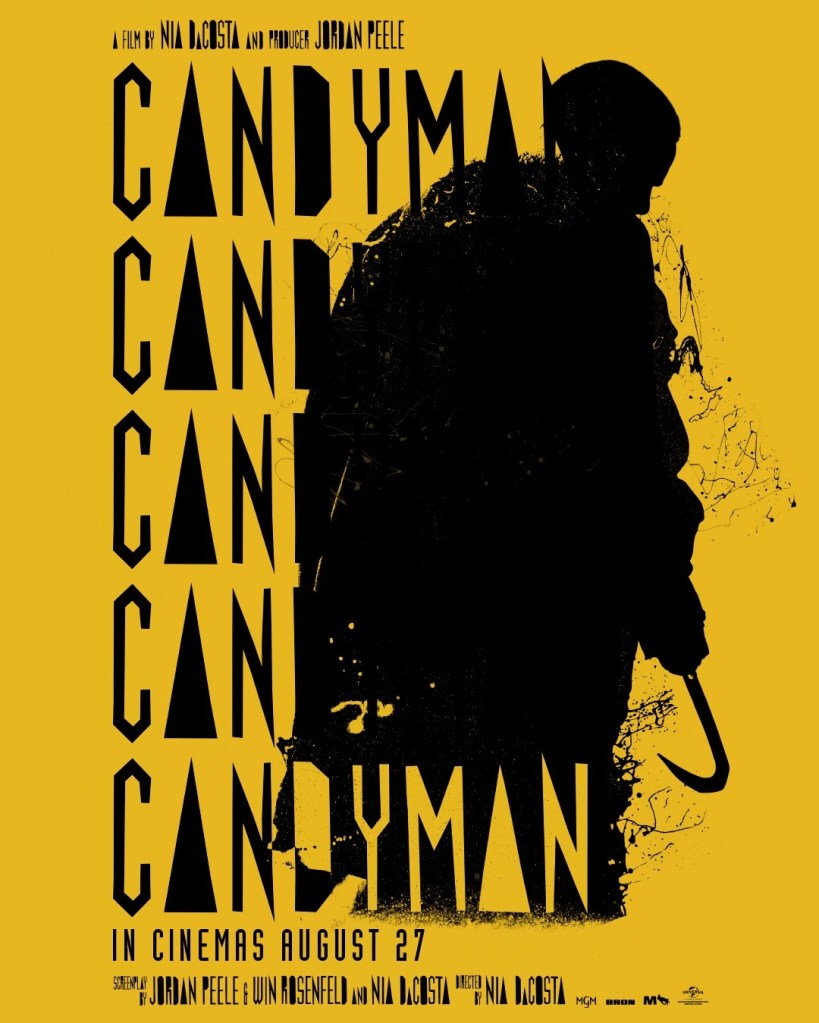
Candyman (2021)

Directed by Nia DaCosta [Other horror films: N/A]

I can’t exactly say that I’m disappointed in Candyman, as I’ve consistently heard somewhat mixed reactions to this one, but I was personally hoping that it’d have done a bit more for me than it ultimately did.

Part of this is because I rather love the 1992 Candyman – I think it’s a fantastically strong movie with a lot going for it. This sequel, though certainly more enjoyable than something like Candyman: Day of the Dead, just didn’t have near the magic a story like this should have.

Now, I do think there were some strong elements. I love the more modern perspectives – there’s crucial plot points revolving around the violence committed against the black community by police officers, along with there being a rather fun gay couple in the film. It’s the type of movie that, because of some of the elements, certain segments might be turned away from.

Even without being a bigot or a racist, though, I don’t think it’s an unfair criticism to call the film a little bit of a mess. I don’t think it’s disastrous, and I did rather love how they tied this story into the 1992 classic, but I also found the finale a bit disappointing. I mean, I got it, and aspects worked (such as the continuation of the myth that is the Candyman, along with a brief Tony Todd appearance), but I just didn’t really care for Colman Domingo’s character.

Otherwise, it was a decent cast. Yahya Abdul-Mateen II was a pretty strong lead, though I can’t say I exactly love how his storyline goes. Teyonah Parris had some solid moments later on, and while never a crucial cast member, Nathan Stewart-Jarrett was pretty fun. Vanessa Williams also pops up, which is nice – the movie already had strong connections to the 1992 film, what with pictures of and references to Virginia Madsen’s Helen, but throwing in a returning character was a nice touch.

However, I don’t love the body horror. I never really did like body horror, of course, and I just personally didn’t see why they added it here. Especially when a character was able to pull one of their fingernails off, it felt like I was watching Cabin Fever 2: Spring Fever, and the less I’m reminded of that movie, the better, as far as I’m concerned.

I certainly thought the movie had a lot of potential going in. I loved the opening scene, and I love how it’s expanded on later to show it in a far more tragic light. I love them not pulling any punches when it comes to the abuses of the police department, and I naturally loved that minor massacre during the finale of the film.

Actually, while I think the overall movie is below average, most of the kills throughout are solid. There was a stylish scene of a woman being murdered, the audience seeing the violence through a window at a distance. There was a pretty solid double murder at an art gallery. Even better than the final massacre was a scene in a prep school, in which some young girls get #Candymanned, which I appreciated, and I felt was somewhat ballsy.

Also, I absolutely adored the use of shadow puppets during some flashback sequences. It had a very unique appearance, and I was never for a second disengaged when those scenes popped up, even during the credits. And on a side-note, I loved the variation of the original Candyman music used during the credits – certainly this version of the music is more subtle, but I noticed it almost immediately, and I loved hearing it again.

Even so, I found the experience ultimately lukewarm. Elements worked, and certainly other elements were appreciated, but on the whole, I can’t say that I thought Candyman was good. It’s certainly serviceable, and it’s quite possible that I’ll enjoy it the more I see it, but for the time being, I think it just missed it’s mark.

6.5/10

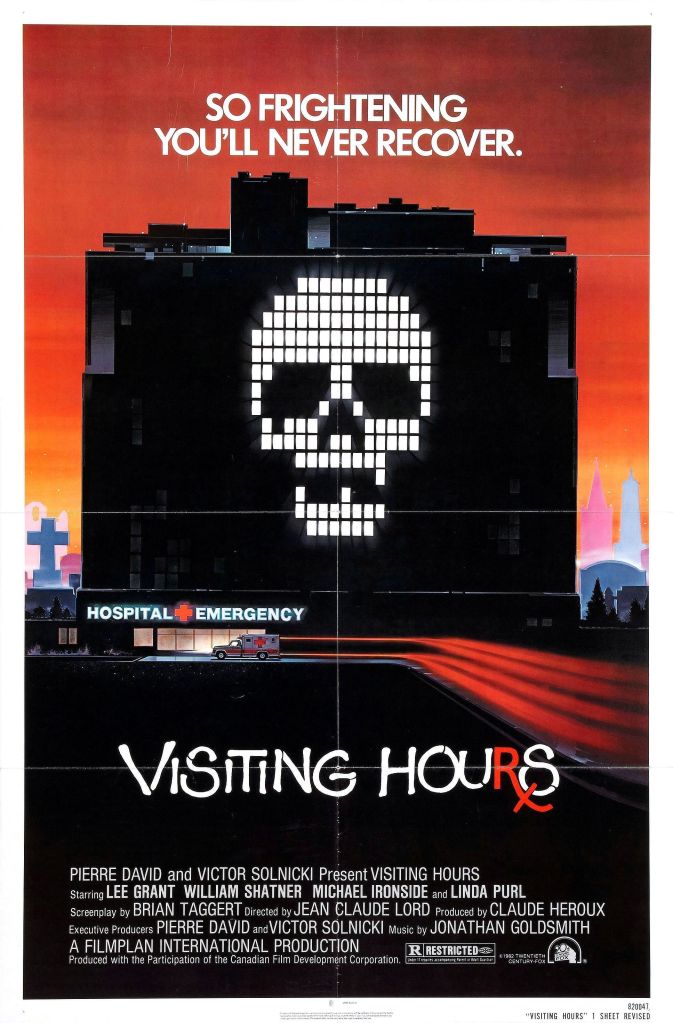
Visiting Hours (1982)

Directed by Jean-Claude Lord [Other horror films: The Vindicator (1986), Summer House (2008)]

I’ve seen this perhaps three times now, and I could swear that I enjoyed this a decent amount the last time I saw it. I still think it’s an okay slasher movie, but boy, this isn’t the forgotten B-flick I remember it being.

Hospital-based slashers always interested me, mainly because I just find the idea of a killer chasing someone around a brightly-lit (or rather dimly-lit, depending on the realism) place of healing rather amusing. Halloween II is of course the best one, but Hospital Massacre (also known as X-Ray, which, on a side-note, is a God-awful title) has a little charm too. I enjoy the chase scenes in this film toward the end, but a lot of the time, Visiting Hours just sorta drags.

The cast is solid, for what it’s worth. Sure, William Shatner was pretty much a waste (I think the best horror film I’ve seen him in was Kingdom of the Spiders, and that wasn’t even good because of him), but star Lee Grant was decent, and Linda Purl too. Michael Ironside (Hello Mary Lou: Prom Night II) probably made the best impression, as a woman-hating psychopath. He certainly had persistence, I’ll give him that.

Overall, Visiting Hours’ story is okay, but it takes side-tracks that don’t really do it for me (such as Ironside’s character beating up a woman but not killing her, or going after Purl’s character). I enjoyed seeing Ironside’s mostly-silent killer try to outmaneuver the police to finish off his victim, but the extra stuff felt more like filler to me than anything else.

I have no objections to the kills, though I don’t think any particularly stood out. The setting, as I sort of alluded to, is on point, and I think the final twenty minutes are perhaps my favorite in the film (along with the opening attack). Also, I like the little snippets of the killer’s past that show why he’s enraged with strong women who stand up to abusive men (some context: Lee Grant’s character is an outspoken feminist journalist), which made the film slightly more interesting.

In the end, though, Visiting Hours is just okay, and a moderately-below average slasher that does some things well, but might lean toward the tedious side (and it doesn’t at all help that the movie’s an hour and 45 minutes). It’s still worth a watch, but it’s not near as good as I recalled it being.

6/10

This is one of the films covered by Fight Evil’s podcast. Listen below as Chucky (@ChuckyFE) and I discuss Visiting Hours.

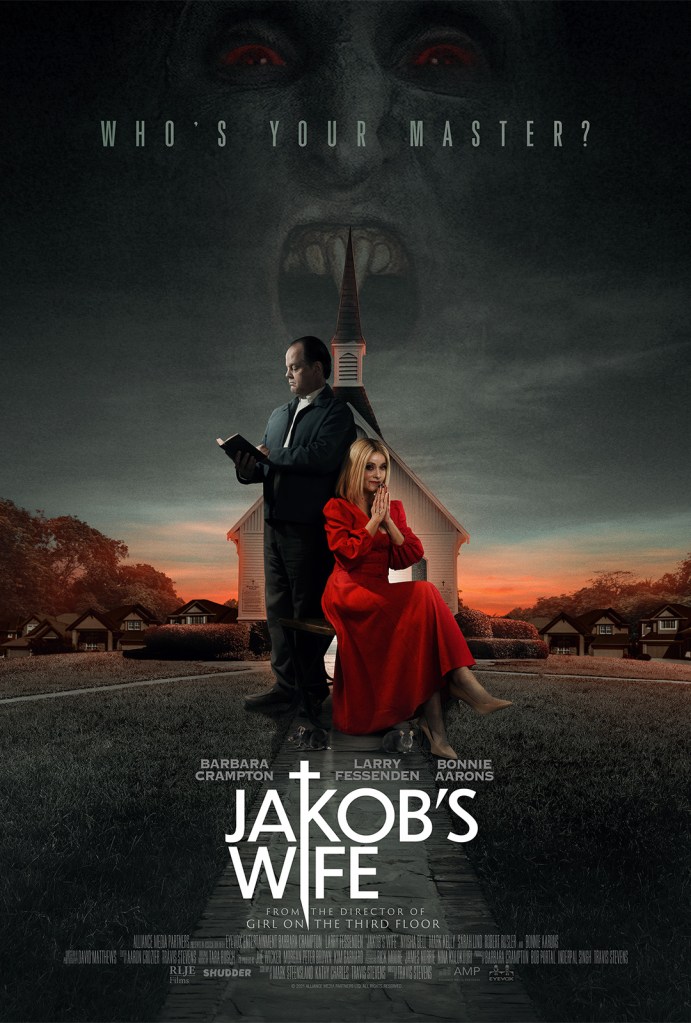
Jakob’s Wife (2021)

Directed by Travis Stevens [Other horror films: Girl on the Third Floor (2019), A Wounded Fawn (2022)]

This isn’t the easiest review I’ve had to write in recent times. Jakob’s Wife is a pretty well-made film, and I definitely see what they were going for, but it wouldn’t be truthful if I said I enjoyed it. On the surface, this may well sound rather tepid as far as criticisms go, but now is a good time to get into the psychology of Jiggy, so hold onto your hats.

I don’t like giving movies negative reviews. Even movies I personally hate, such as The Greasy Strangler and 1408; I know they may have their fans, and I don’t like possibly pissing people off. It’s especially bad for lower-budget movies – when a movie doesn’t have all the resources a higher-budget movie does, and I give it a low rating, I sometimes feel, as ridiculous as this may sound, a bad person.

It’s not just low-budget films, though, that I find hard to sometimes review with 100% honesty – when I get requests to watch films from those who made a movie, or just film recommendations from other fans, a large part of me wants to make them happy and perhaps bend my feelings a bit in a more positive light, which plays a mild part here, because someone requested I watch Jakob’s Wife, with the idea I’d enjoy it, and I just hate to say it wasn’t accurate.

Honestly, it’s not always easy giving my opinions on movies, especially movies that I know so many people love that I personally just don’t. Jakob’s Wife is a minor example – while many reviews have been positive, it has a more lukewarm overall reception. There are other films, like Halloween Kills, that I sometimes feel I may have put kiddie gloves on before reviewing, for these same concerns.

All I can say, before I get into my review proper of Jakob’s Wife, is that I do my best to be perfectly honest about my feelings. It’s worth noting that I am just a single guy from northeast Indiana, and I certainly don’t think my views on films supersede anyone else’s. I didn’t care for Jakob’s Wife, and that’s the simple truth.

Well, perhaps not that simple. I certainly thought the finale was pretty solid, almost emotional in a way, though I also think the final freeze frame was sort of disappointing. Not the song that popped up, being “Church” by Kitten (a song that will soon find it’s way onto my iTunes), but just the idea that as close as Jakob and his wife had become over the events of the movie, it might all have been for naught.

Before the finale, though, I was struggling, and most annoyingly, I can’t exactly explain why. Certainly the movie is primarily a horror film with occasional smatters of comedy thrown in, but not much of the comedy is overly goofy, so I don’t know if I can really blame the comedic undertones of some scenes on my overall feelings of the movie.

Perhaps it’s the somewhat aimless sense I got from it. Certainly there’s a plot – a somewhat mousy woman (played beautifully by horror icon Barbara Crampton) gets turned into a vampire, and has to figure out her life from that point forward. There’s a story, but it’s not always engaging, and while a couple of elements stood out, I can’t say I was really into the movie until the final thirty minutes or so.

Certainly the cast isn’t to be blamed for this. Barbara Crampton (From Beyond, Re-Animator, Castle Freak) did quite well, and Larry Fessenden (Habit, I Sell the Dead, We Are Still Here), while not a particularly enjoyable character, had a great performance. Though a smaller role, I liked Jay DeVon Johnson, and while she doesn’t get time to shine until the end, Bonnie Aarons (The Nun) had some strong elements.

When it comes to the positives, I’m pretty much stuck with two things. For one, I loved the gore – when people got bitten by a vampire, it wasn’t a small bite, these people literally got their necks ripped open, splatters of blood following. It was beautiful.

Secondly, the design of the lead vampire (played by Bonnie Aarons) was highly reminiscent of Nosferatu’s Count Orlok, with a bald head, freakishly long fingers, and to add to the effect, long fingernails. It was a great traditional look, and I loved it (at least from afar – up close, it felt sort of silly).

Otherwise, though, I found that much of the movie dragged, and when I said it was a struggle to get through this, I mean that. I kept pausing due to disinterest, and rather unlike me, it took three days to fully sit through Jakob’s Wife. I just wasn’t engaged at all save for the finale, and I can’t really put a finger onto why that was.

I imagine part of it is just the nature of the story. I don’t mind vampire movies, as there are some great ones out there – look at Fright Night, Sundown: The Vampire in Retreat, and John Carpenter’s Vampires, not to mention personal favorites like The Night Flier and Heartstopper (the 1989 movie) – but in Jakob’s Wife’s case, I just didn’t care for much of the story.

Ultimately, while I know this film has gotten a decent amount of praise among the horror community, I honestly just didn’t like it. I don’t think it was a particularly poor movie, and it was certainly filmed beautifully, but I can’t really see myself giving this another chance anytime in the next 15 years, which is a bit of a shame, especially given my mild hopes when starting the film up.

5.5/10

I Don’t Want to Be Born (1975)

Directed by Peter Sasdy [Other horror films: Journey Into Darkness (1968, segment ‘The New People’), Taste the Blood of Dracula (1970), Countess Dracula (1971), Hands of the Ripper (1971), Doomwatch (1972), The Stone Tape (1972), Nothing But the Night (1973), Witchcraft (1992)]

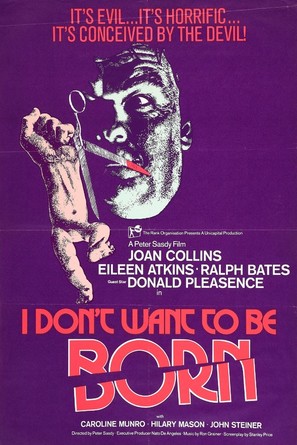
Known under various titles (among them The Devil Within Her and, most mystifying, Sharon’s Baby), I Don’t Want to Be Born isn’t among the highlights of British output in the 1970’s. I think the movie’s moderately enjoyable, truth be told, but it’s not exactly good, and I think many would be able to see the shortcomings the film possesses.

Chief among them, in my view, is the lack of cohesion. A dwarf puts a curse on a woman’s baby, but aside from that single scene (and in fact, it happens before the woman in question is even pregnant), we get nothing more. Yet come the end, it seems as though the baby and the dwarf are inexplicably connected. We’d only seen this dwarf character (played by George Claydon) a handful of times, and for the most part, he seems a normal guy.

In a way, though, I can let it go. I wish we got a bit more information, but it’s not something that dramatically decreased my enjoyment. There was still a high enough body count and decent enough performances to keep me reasonably entertained.

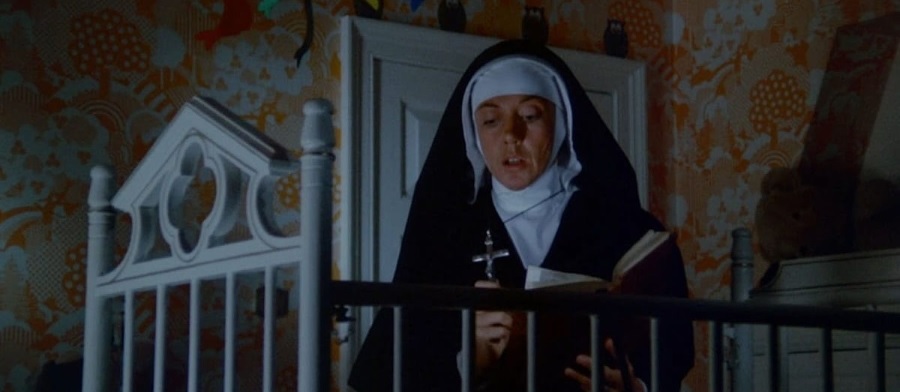
Of anyone, Donald Pleasence was the nicest to see. He didn’t have the biggest role, but I enjoyed his screen presence, especially his conversations with Eileen Atkins, who was my second favorite here. I don’t know the actress, but for a nun, I found her fun. This isn’t to take away from Joan Collins (Tales from the Crypt), who did a pretty good job, or Hilary Mason (Dolls and Meridian), but Pleasence and Atkins stood out the most.

Many of the kills here weren’t that strong, but a few were solid in ways reminiscence almost of The Omen (which this movie predates by a year), such as a woman hitting her head and drowning or a guy getting hung from a tree. The best death, by far, was a decapitation toward the conclusion. It wasn’t particularly gory, but the scene was fun.

Nowadays, despite the fact that this film (again, like many movies from the 1970’s) was played straight, I Don’t Want to Be Born can come across as both a little silly and sometimes overly dramatic. The ending lacks the pizazz you’d hope for, but even if it was tidied up a bit nicer, the film still would have been on the lower-end of British cinema.

That said, I did like it more this time around as opposed to when I first saw it. I don’t think it’s significantly better, but there was charm in seeing the bustling London streets, and in a film with an evil baby a year previous to The Omen (at the time of this writing, I’ve not yet seen It’s Alive from ’74 – edit; I have), it was nice to see most of the cast being on the same page about the nature of the baby.

Is the film still below average? Yeah, I’d say so, but I can also see myself watching this a third time without much consternation, so that must mean something.

6/10

This is one of the films that has been covered on Fight Evil’s podcast. If you want to hear Chucky (@ChuckyFE) and I discuss I Don’t Want to Be Born/Sharon’s Baby/The Devil Within Her, look no further, brahs.

Howard’s Mill (2021)

Directed by Shannon Houchins [Other horror films: N/A]

So I will admit that I found Howard’s Mill a rather solid film for the type of movie it is.

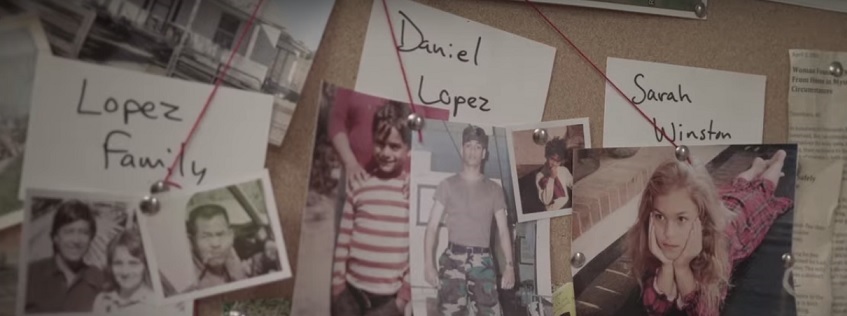
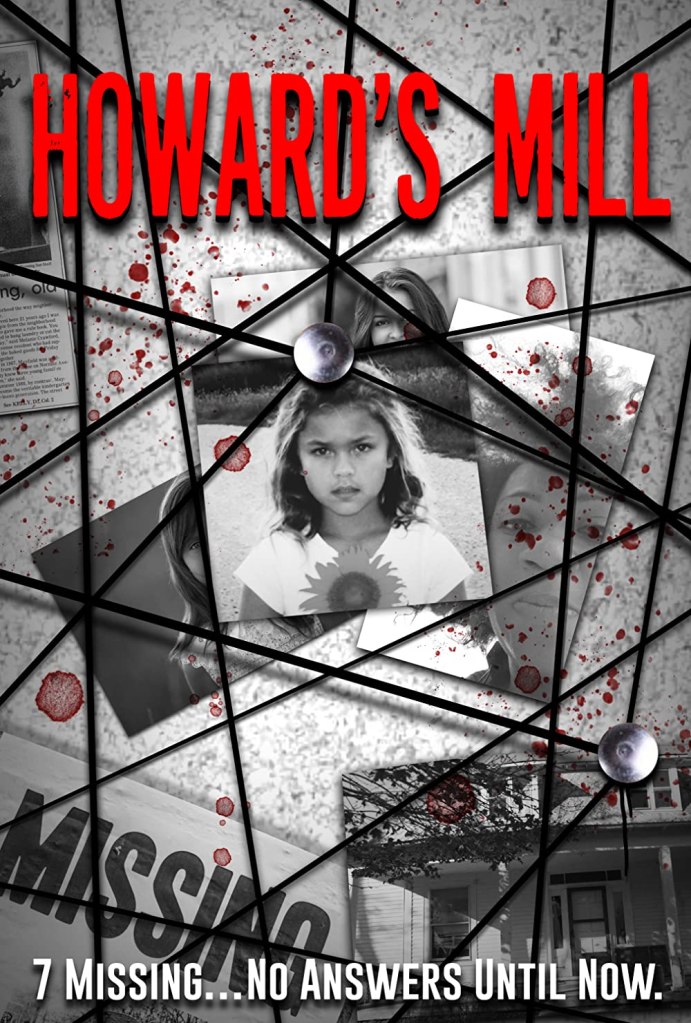
Done in the vein of Hell House LLC, We Are the Missing, and The Poughkeepsie Tapes, Howard’s Mill plays itself up as a real documentary about multiple individuals who go missing over the course of a hundred years, starting off with just a single case, and turning quickly into a sprawling and rather mesmerizing film.

It has the same problems you might expect from films like The Poughkeepsie Tapes – occasionally some of the interviews don’t feel quite authentic, and we’re not really presented with a clear, concise answer come the finale (which is a similarity shared with We Are the Missing), but even with some small flaws, personally, I found myself really pulled into the mystery.

And it certainly goes all over the place. It’s pieced together realistically enough, slowly introducing new pieces, previously unknown history, different angles, all that jazz. Once some skeletal remains start showing up toward the latter half of the film, we even get an interview with a physicist talking about the possibility of time travel, and perhaps a hint of extraterrestrial activity even later on. And the best part of it is, all of it works, and I bought every moment.

Part of the reason is that this isn’t explicitly supernatural, like We Are the Missing is. Sure, there’s some quotes about the lands that Howard Mill’s placed on as ‘taking people’, and there are certainly odd circumstances of lost time and memories for a few individuals, but more than anything, this is just a mystery that isn’t fully solved, and I really enjoyed how cemented in reality it was, especially the somewhat moving conclusion, as Dwight Nixon (played by Reegus Flenory) contemplates the fate of his missing wife, the disappearance of which he was initially blamed for, and what set up this whole documentary (in-universe, of course).

There’s not a full cast listing on IMDb, and the credits of the film just list the characters in the movie as if this were a real documentary, which makes sense, of course, but means I don’t have access to everyone in the cast.

Of those I can identify properly, I wanted to give a lot of props to the aforementioned Reegus Flenory, as he struck me as pretty believable. Josefina M Boneo isn’t always the best documentary host, but she had some strong moments. Others I can name include Jeremy Childs (The Dead Center), who shines toward the finale, Jessejames Locorriere, Ashley Shelton, Steve Wedan, and Danny Vinson.

Naturally, there are some smaller performances I wanted to point out – one is a character who appears briefly named Allison Steinquest, who reminds me oddly of Judy Greer. Another is a principal of the local high school, a character with a few great scenes named David Buchanan. A farmer near the questionable land named Ken Allen popped up throughout, and I dug his low-key style. Lastly, and I thought these two were perfect for the movie, we have an older couple named the Moody’s, who give us a little more insight into the strange goings-on.

Now, unlike Hell House LLC or The Poughkeepsie Tapes, there’s nothing overly shocking or scary in the movie. It’s more like building up to a better understanding of how so many people have gone missing, and what the time discrepancies that pop up actually mean. There are some more suspenseful moments – an older woman talking about mysterious figures she called ‘the Watchers’ or the discovery of a child skeleton in a hidden room, but Howard’s Mill is generally more subdued.

I think it works – Hell House LLC is a great movie, and I’d say it’s better than this, but this movie does amazing with the style and presentation of the topic, and I truly do applaud it.

Howard’s Mill surprised me. Only in rare cases do I get a lot out of faux-documentaries. The Poughkeepsie Tapes is okay, but not great, and some of the best ones, including Hell House LLC and Ghostwatch, are certainly the exception as opposed to the rule. I really enjoyed Howard’s Mill, and it may not be a movie for everyone, but I found it captivating and well-pieced together.

If you’re into these types of films, I’d highly recommend you give it a watch.

8/10

Peeping Tom (1960)

Directed by Michael Powell [Other horror films: N/A]

Often considered a proto-slasher, Peeping Tom is a horror classic that I’ve wanted to see for a really long time, but I have to admit to being disappointed after having finally accomplished that goal.

It’s not as though the movie’s bad, though. Peeping Tom is a very solid psychoanalytic look into a crazed killer, from the killer’s perspective (think movies like The Couch or The Strangler, both of which came out a few years later). I just didn’t find much of the movie enjoyable, and more so, found the stilted and almost inhuman conversations more awkward than anything.

While the film got terribly skewered upon it’s original release, from a modern-day standpoint, it’s hard to see almost anything in Peeping Tom that comes across as too obscene or ghastly. In fact, there’s almost no on-screen murders, and while there’s passing nudity, again, we’re talking very tame, muted stuff. What some critics saw in this movie back then, I don’t know, but I don’t see it now.

German actor Karlheinz Böhm did fantastic as the main character, a seemingly-mild but quite demented, socially-awkward killer. There’s a decent amount of character building in regards to his father and what made him into the man he is, but I definitely get the sense that more was left unsaid than what was discovered. His love interest, played by Anna Massey, was good also, but I didn’t fully understand her character (why she was so insistent on staying around Mark even after she discovered his homicidal activities was beyond me), and her blind mother, played by Maxine Audley, confused me more.

One thing I’ll say as far as surprises go, I honestly didn’t know until I started the movie up that Peeping Tom was in color, and not only that, but it looked pretty good. I’ve sometimes heard this compared to Psycho, and I guess I just mentally imagined this as a black-and-white film, but no, it’s in gorgeous color, which was nice. I just wish there was more in it worth seeing in color.

For what Peeping Tom is, I think the movie’s decent, and to a certain extent, I can understand it’s inclusion in many proto-slasher lists, but I honestly didn’t enjoy the movie near as much as I was hoping for, and given all that I’ve heard about it, I was hoping for a bit more violence and less awkward conversations. Still worth a watch, if only because it’s one of the more-commonly referenced British horror films, but it’s not one I can imagine keeping in my rotation.

6/10

This is one of the films covered on Fight Evil’s podcast. Listen below as Chucky (@ChuckyFE) and I discuss this one.

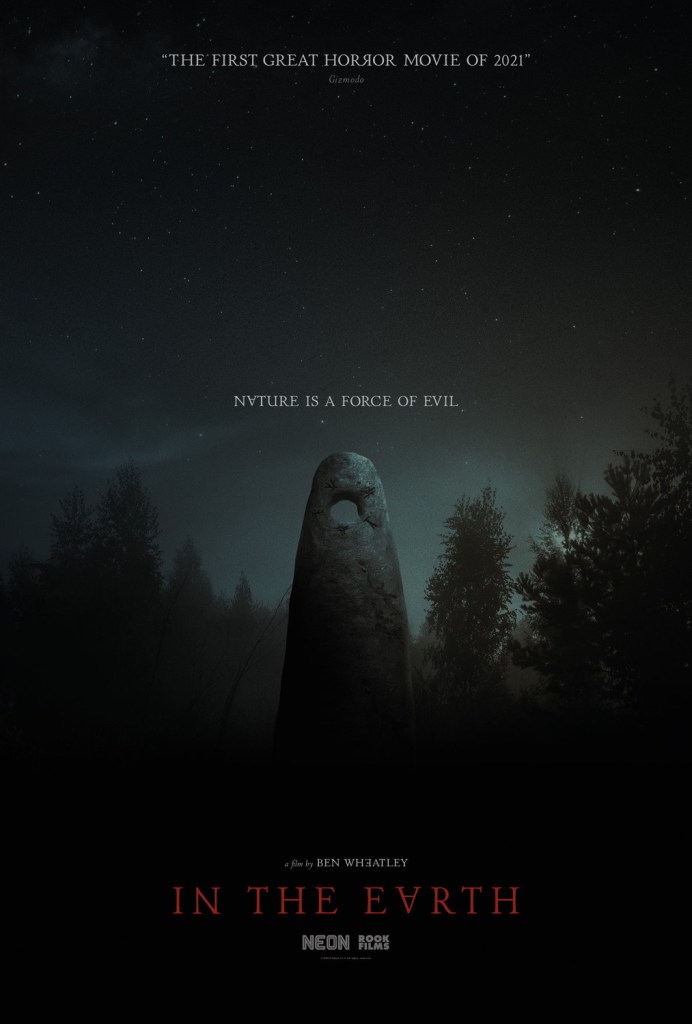
In the Earth (2021)

Directed by Ben Wheatley [Other horror films: Kill List (2011), The ABCs of Death (2012, segment ‘U Is for Unearthed’), A Field in England (2013), Meg 2: The Trench (2023)]

There are times when a movie is less a movie and more of an experience, and I think that In the Earth might qualify for that.

Not too dissimilar from films like Midsommar and Apostle, In the Earth is a folk horror which largely defies description. It starts off innocently enough, but by the thirty minute mark, you can sort of tell you’re in for a ride.

Now, personally, I didn’t think the ride was that enjoyable. For one, the movie is an hour and 47 minutes, and the last forty or so had semi-constant strobe lighting and discordant sounds, making for a singularly unpleasant viewing experience. The film can also be quite trippy during the latter half – there’s a charm to it, and it fits with the story, but it also lacks what I’d consider a good conclusion.

It’s sort of hard, really, to express my feelings. I love the idea of the film – individuals sort of stuck in a forested area by some sort of Mother Gaia-type organism/standing stone – and I can’t even fault the execution, as the movie looks beautiful as far as the cinematography goes. Portions may not be enjoyable to watch, but I suspect that’s rather the point.

At this juncture, it’s worth mentioning that In the Earth is directed by Ben Wheatley, and if that name sounds familiar, he’s also the one who directed Kill List, from 2011. Kill List is a movie that has a very odd vibe to it, and while I found In the Earth even odder, it’s not hard to imagine that the same mind was behind both projects.

Joel Fry (who I know from a brief role in Game of Thrones) and Ellora Torchia (who was actually in Midsommar) were solid as the leads, despite their many stilted conversations. It was harder to get into Hayley Squires’ and Reece Shearsmith’s performances, as their characters were rather out there, but it’s partially the point. Squires felt a little over-the-top at points, and the same could be said for Shearsmith (The Cottage, some episodes of P.R.O.B.E.), but given their situations, I rather think that can be excused.

Like both Apostle and Midsommar, there are also a few rather violent scenes in the film, especially if you enjoy feet. One individual gets a gnarly gash on their foot, and it’s rather inexpertly sewn up later on. Also, some toes get cut off with an ax, a wound that later has to be cauterized (the cauterization isn’t too bad, but the scene in which the toes are cut off is, as the kids say, tense as fuck).

Violence, though, takes a backseat to whatever the hell the rest of the movie was. Really, it was all types of odd. I loved portions of it – the appearance of the Malleus Maleficarum (or Hammer of Witches), the idea that the local folklore of Parnag Fegg being more a process than a being, and even whatever the hell mycorrhiza is added something interesting. It’s a bizarre film, and it does get sluggish, but I can appreciate the ideas they were playing around with.

If you look at the title screen, which screams 1970’s, or how the credits are displayed at the end, you can see that In the Earth has a very specific, sometimes bleak, style and presentation to it. It’s not an easy movie to enjoy, in my view, but it’s definitely a movie that will have some fans for the themes it deals with, esoteric as they may well be.

I can easily imagine divided reaction to this one. I wish I personally liked it more, but some movies just aren’t easy to enjoy. Aspects of this one are great, but overall, I might need to let some other elements, along with the somewhat lackluster conclusion (beast trippy sequence aside) sink in a bit.

6/10

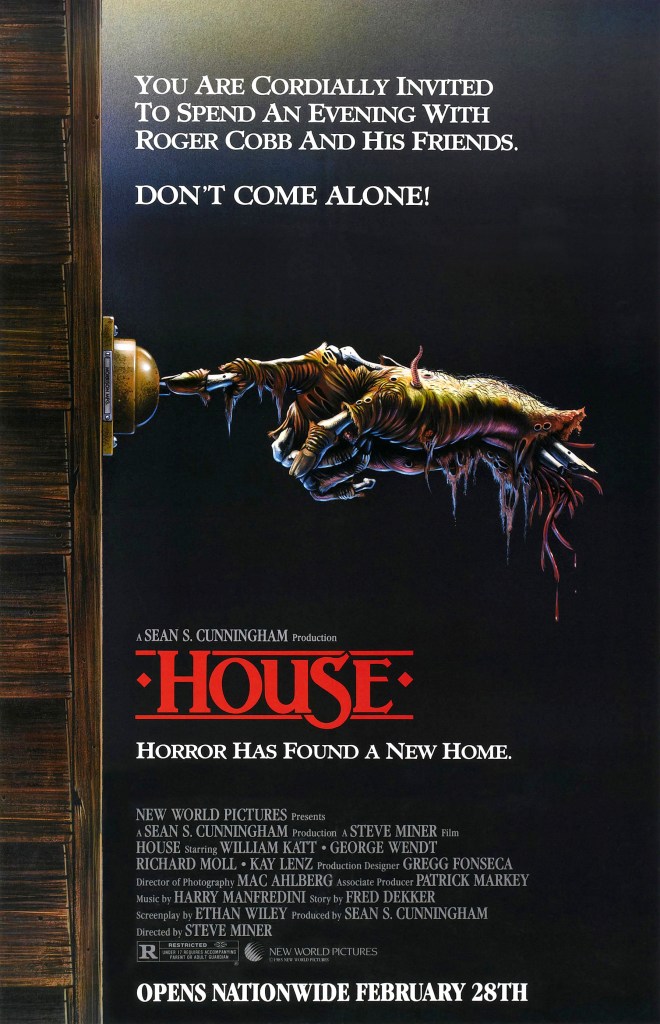
House (1985)

Directed by Steve Miner [Other horror films: Friday the 13th Part 2 (1981), Friday the 13th Part III (1982), Warlock (1989), Halloween H20: 20 Years Later (1998), Lake Placid (1999), Day of the Dead (2008)]

House holds a special place in my heart. It’s not an overly special movie, but it’s a movie I remember very vividly seeing bits and pieces of as a kid, and though it’s not particularly frightening nowadays, this movie really scared me when I was younger.

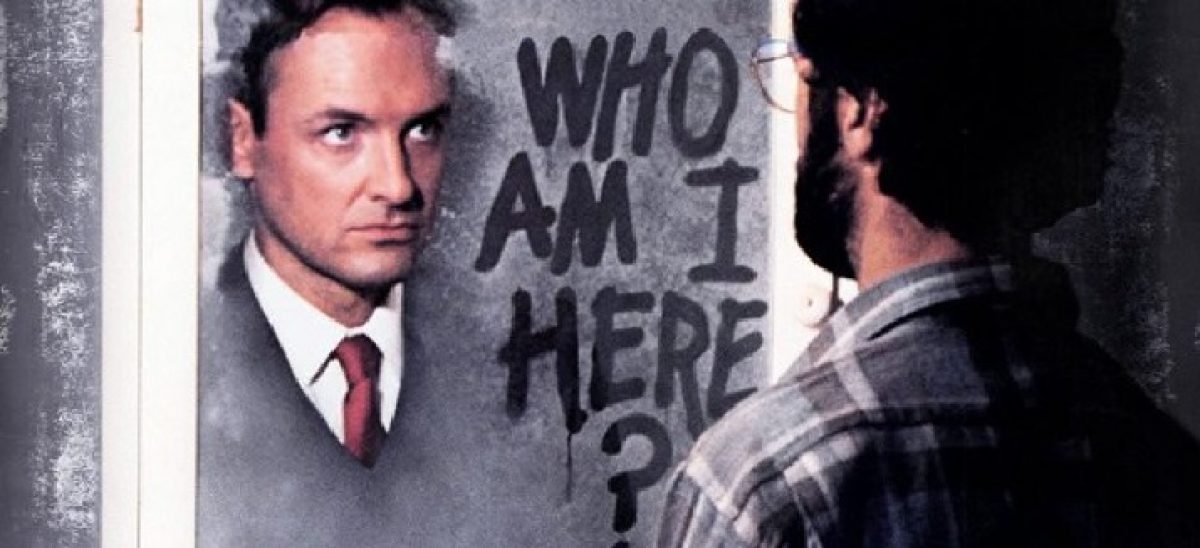
To tell the truth, some scenes here still got my heart racing, as pathetic as that might be to admit. While the comedy did occasionally veer to too silly a level, it’s the scares here that stood out, such as that ghoul woman attempting to abduct the child or the multitude of monstrous hands attacking the protagonist from the mirror.

Really, I find the whole concept of House intriguing. The main character (played by William Cobb) is dealing with both the trauma of his experiences in Vietnam along with his recently losing his son, who has gone missing. The house in question, which contains within it different dimensions (or something akin to that – it’s not much touched on), looked quite grand, and the whole mirror sequence onward were true quality to see again.

Cobb did sometimes get a bit goofy, but he was still a very solid main character, and I enjoyed the conclusion, which ended somewhat like the first A Nightmare on Elm Street. None of the side characters really added as much as you’d hope for (be it George Wendt or Mary Stavin), but as the movie’s really a personal journey for Cobb’s character, I think that could be excused. Richard Moll made for a solid antagonist, though.

The way House was put together really works, too. With many flashbacks to Cobb’s time in Vietnam setting up the conclusion, and plenty of ghoulish attacks (that overweight ghoul perhaps being the most memorable) and adventures (Cobb’s journey into the mirror onward), the movie really came together wonderfully, and though I wish a few things were added to the end, and some of the humor stripped down, the film’s enjoyable whether or not there’s a blot of nostalgia over it.

Sure, some of the special effects seem a bit goofy, and the comedy sometimes becomes a bit much, but there are some decently funny lines and scenes in here too, and the multiple issues that Cobb’s character deals with works even ignoring the comedic overlay. It’s a movie that scared me as a kid, and seeing this again after some time, it’s a movie I really enjoy now.

8/10

This is one of the films covered by Fight Evil’s podcast. Listen below as Chucky (@ChuckyFE) and I discuss this one.