Sledgehammer (1983)

Directed by David A. Prior [Other horror films: Killer Workout (1987), Night Wars (1988), The Lost Platoon (1990), Night Trap (1993), Mutant Species (1995), Zombie Wars (2007), Night Claws (2012)]

I’m a simple man, and I didn’t have too many expectations going into Sledgehammer. I knew it’d be cheap – I’m no stranger to SOV horror – and as long as it had a guy killing people with a sledgehammer, I’d be happy.

Well, I’m not sure if I am happy, but there certainly was a man killing people with a sledgehammer. It was often in excruciatingly slow motion, but so was a good third of the film, so maybe that’s not a problem. Okay, it is a problem – I’ve never seen this much slow motion in one movie, and I sort of wonder if they had used the technique more sparingly, whether the movie be more around the 50-minute range as opposed to 85 minutes.

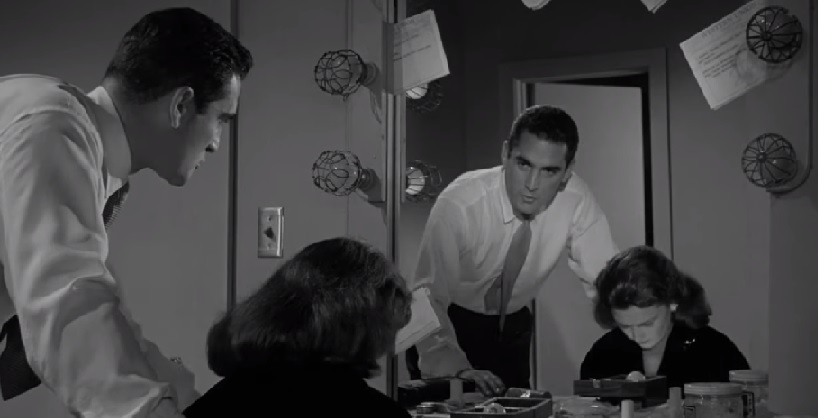
Of course, Sledgehammer is a bit of a classic, at least as far as shot-on-video horror goes, as it’s among the first ones made. And you can tell it’s rough – one of the stars, Ted Prior, is the brother of director David A. Prior (responsible for later films such as The Lost Platoon, Killer Workout, and Night Trap), and if IMDb trivia is to be believed, most of this movie was filmed in his apartment. If you’re watching this film, you probably went in knowing a lot of this, so it shouldn’t come off as too much a shock.

As such, a lot of the movie is tedious in ways that some SOV films tend to be. Luckily it’s nowhere near as bad as Blood Cult or Heavy Metal Massacre, but boy, all of those slow-motion portions are painful, and there’s so damn many. The kills aren’t terrible – ironically, one of the best ones might be a knife going through someone’s throat – but save for the opening scene (which, if you missed, is played again later during a retelling of the horrors of the house), there’s not really any great sledgehammer action. There is a terribly unappealing food fight, though.

If you’re familiar with SOV horror, you’ll probably know that performances aren’t often the highlight, and that holds true for this movie also. If I had to give a shoutout, it’d be to John Eastman, who at least looked different (that mustache was the bomb). Ted Prior didn’t really seem to have that much character, and while I wanted to root for Linda McGill (who was also in a film called Shape-Up for Sensational Sex, which sounds classy), it wasn’t an easy task.

Most people who come into Sledgehammer know full well what the movie is. It’s sort of fun at times – I actually rather like the heavy synth score that permeates the film – and it has that 80’s SOV nostalgic value, but it’s not a film I could see myself watching again anytime soon, and I’d really only recommend it to the horror fans who have likely already seen it.

5/10

Kuronezumi (2010)

Directed by Kenta Fukasaku [Other horror films: Batoru rowaiaru II: Chinkonka (2003), XX (ekusu kurosu): makyô densetsu (2007)]

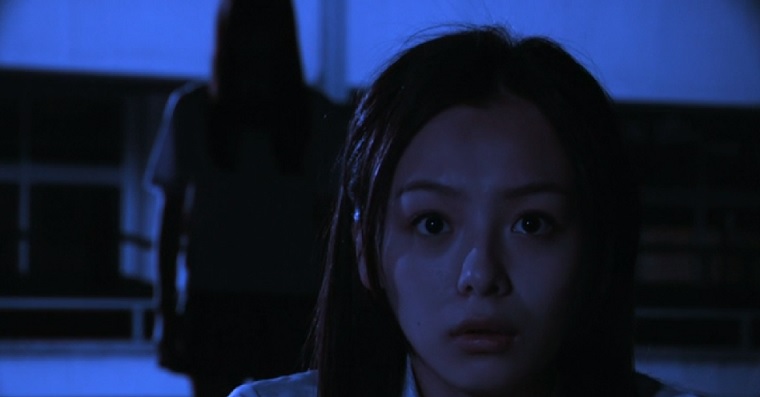
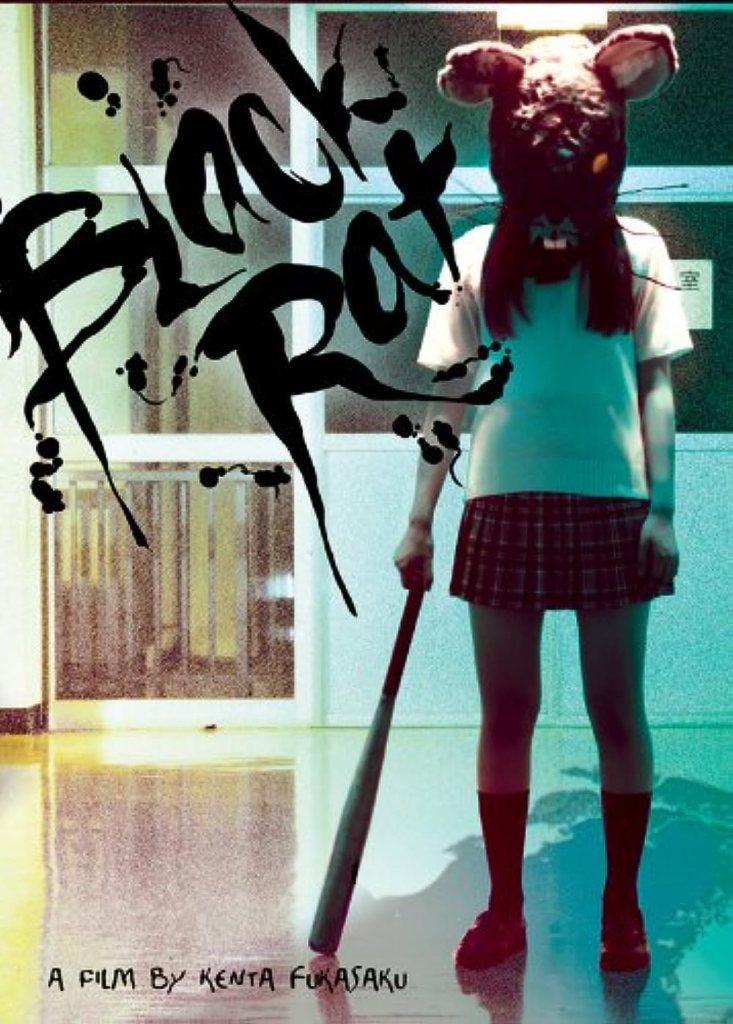
I believe this is either the third or fourth time I’ve seen this Japanese film, and I still find it a pretty enjoyable ride. Known as Black Rat (if it’s known at all – even though I first saw this in 2013, it still seems like a somewhat obscure film), this is an emotionally-packed film with a few things going against it, but ultimately ends up quite memorable.

Ever since I first saw this one in 2013 (and if you’re wondering why I’m sure about that date, it’s due to the fact I left a comment on the Horror Movie a Day blog’s entry), it felt like a special movie. I didn’t fully know why at the time – I just knew it was a solid emotional ride, and I enjoyed it immensely, and that’s still true, but there’s more to it.

This was directed by Kenta Fukasaku, the son of Kinji Fukasaku, the individual who directed Battle Royale. Kenta finished directing the second Battle Royale after his father died of cancer, and more importantly, wrote the screenplay for the 2000 classic. I bring this up because there are pieces of humor within Black Rat that remind me strongly of Battle Royale, and if you know how much a fan I am of Battle Royale, you’ll know that such a resemblance bodes well.

Plot-wise, the movie is simple. Six friends (Ryota, Kanako, Takashi, Kengo, Misato, and Saki) get a text from Asuka, a friend of theirs who committed suicide a month and a half previously. The text tells them to come to a classroom at midnight, and when they do, a killer in a rat mask takes them #down.

None of that is particularly impressive or noteworthy, to be sure, but what pulls the movie together, and gives it a hell of a lot of feeling, are the flashbacks scattered throughout the film, giving a deeper look at all of the friends, their relationships with Asuka, and how they hurt her in various, and sometimes unintentional, ways. It’s a Japanese slasher, which is rare enough, but it’s also a very strong film about friendship and how bonds can fall apart, sometimes in tragic ways.

Unfortunately, the film isn’t well-documented on IMDb. Eight cast-members are listed, but only four are credited, being Rina Saito (Asuka), Misaki Yonemura (Misato), Makoto Sakamoto (Takashi), and Hiroya Matsumoto (Ryota), leaving four cast-members without a credit, being: Haruka Shimizu, Mika Shimizu, Shôta Miyazaki, and Rihoko Shimomiya.

Here’s what I know – three of the uncredited individuals are women, leaving the sole male, Shôta Miyazaki, as the one who played Kengo. As for the other three (and if you’re wondering where the eighth cast-member comes from, it’s a sister of one of the characters), I don’t know who played who (Kanako, Saki, and the sister are the only options), which is a damn shame, as I can’t properly give credit to Kanako’s actress, who I rather liked.

Really, the only issue I had with any of the performances would be Makoto Sakamoto, who played a rather timid and cowardly character, almost to the level of parody. He just didn’t seem like a real person, and that sort of hurt.

And to be fair, it’s not the only problem with the film. Some of the special effects (such as an electrocution and an explosion) were a bit shaky, and there were some choices made toward the latter half of the film that felt quite questionable. Also, I’m not the biggest fan of the last scene.

Even so, there’s a lot going in Black Rat’s favor. Among them would be the shorter runtime, as the movie clocks it at around 76 minutes. It doesn’t overstay it’s welcome, and it still manages to use quality emotional flashbacks to great effect throughout the film, and I think it was done fantastically.

Also, some of the kills early on, or more specifically, the set-up to the kills, are great. You know how I mentioned the humor reminding me a bit of Battle Royale’s? It’s during these scenes where that comes up. The killer gives a character a chance to block a soccer goal – if the character can save the goal, they won’t be killed (or so the killer insists). Well, of course the block isn’t made, and the killer does a cute little dance before they take a baseball bat to the unathletic fellow.

My favorite scene, though, is the killer giving someone a chance to get 100 points on a karaoke song – if they can get the required points on the song, they’re free to go. Of course, they flub the song (being tied down and cut with a boxcutter can put a damper on my singing also), but during the performance, the killer is waving their arms along to the song (again, because this movie isn’t documented well, I don’t know the song, but it’s damn catchy, and the chorus, which goes “Everybody, let’s live for love” is fun).

Neither of these scenes are explicitly comedic, and given the scenario, no one was laughing, but they were both fun, especially the karaoke sequence, and more than that, quite unique.

Asia has largely never been big on slashers, especially since the surge of both Japanese and Korean movies beginning in the late 1990’s. Hong Kong had Dream Home in 2010, and South Korea gave us To Sir, With Love (also known as Bloody Reunion) in 2006, but for the most part, there’s a dearth of modern-day Asian slashers. Black Rat is one of the few Japanese slashers I’ve seen, and for that fact alone, it’s unique, but add on the other stuff I liked about it, and it’s big news.

I get the sense I enjoy Black Rat a lot more than most people. It’s an obscure movie, sure, but many of the reviews I have read on the film (including the one linked above by Horror Movie a Day) have been mediocre, and the film has only a straight 5/10 on IDMb (EDIT: or did when I wrote this on October 21st, 2021, as it now has a 4.7/10). I guess it just hit the right spots for me when I first saw it back in 2013, and seeing it with fresh eyes, it largely still does.

8.5/10
Massacre (1989)

Directed by Andrea Bianchi [Other horror films: La tua presenza nuda! (1972), Nude per l’assassino (1975), Malabimba (1979), Le notti del terrore (1981), Maniac Killer (1987), Incontri in case private (1988), Gioco di seduzione (1990)]

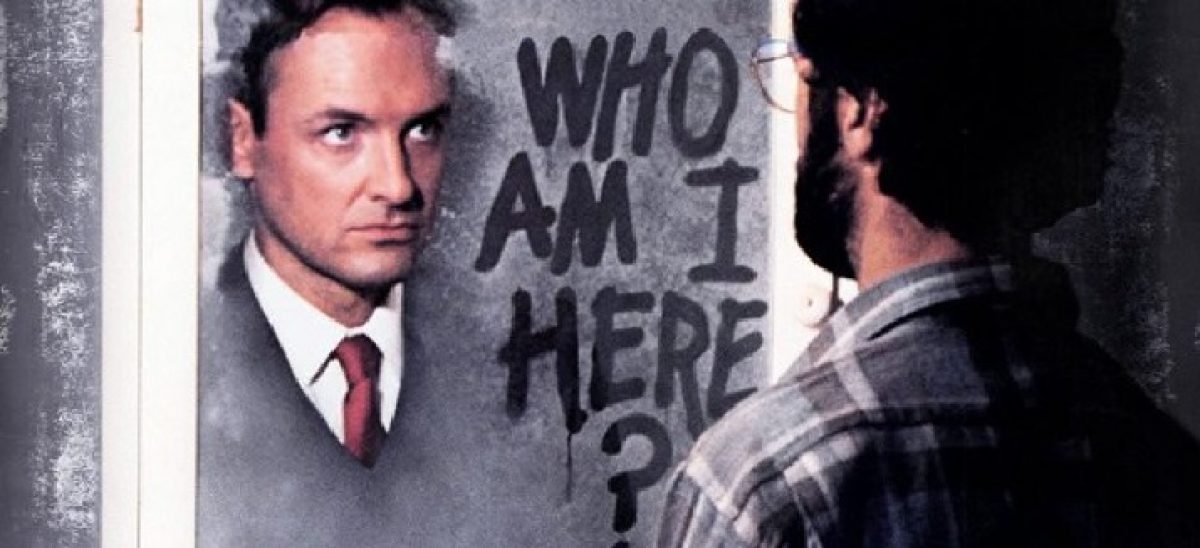
This offering of a late 80’s giallo leaves a lot to be desired. It’s not an exceptionally poor movie, but it is an exceptionally generic and forgettable one, and save a few scenes, I don’t know if it’s worth it.

Which is a bit of a shame, because the director here is Andrea Bianchi. He’s probably best known for Burial Ground, but he also directed Strip Nude for Your Killer and Malabimba. He’s not an extremely big name, but I will admit I was expecting a bit more from this one once I saw he directed it (and the fact this was apparently produced by Lucio Fulci didn’t help).

The story isn’t a terrible one – a film crew working on a horror film are being killed off by a mysterious killer. Admittedly, it takes something like 40 minutes to really get moving, and the finale isn’t particularly great, but the basic story has potential.

As far as the kills went, they were okay when they popped up. The film opens with a woman being attacked, one of her hands getting cut off, and then being decapitated. And this happened in the first two minutes. It takes a while after that, though, for more kills to take place, and none of them (including a throat-slitting and someone getting stabbed multiple times with a spike) are quite as striking as the first.

One thing I really think hurt the film were the characters. We’re sort of just thrown into the cast and crew of those making a horror film, and it takes a bit for them to really stand out, and I’m not sure that some of them (including one of the leads, Patrizia Falcone) ever did. There’s only one character I really took notice of (played by Danny Degli Espositi), and that’s not particularly ideal.

In fact, because of that, performances are close to impossible to really discuss. I’d say that because he stood out, Danny Degli Espositi was pretty decent (despite not really doing that much), and I guess that Gino Concari made an okay detective, but despite having a nude scene, Silvia Conti was pretty much just there, and Lubka Lenzi was pretty much interchangeable with everyone else.

By the mid-80’s, giallo was pretty close to dead, and in the latter half of the decade, they weren’t easy to come by. Massacre is a pretty low budget film, and stylistically it seems far more akin to some SOV slasher like Night Ripper! than it does something like Lamberto Bava’s You’ll Die at Midnight (which was a reasonably solid giallo from the latter half of the 1980’s). I can’t blame Andrea Bianchi too much for that, but that ending, man, was just painful.

I won’t say that Massacre has been a film I’ve wanted to see for years, but it has been on my radar of movies to take time with. I can’t say I’m that surprised by how forgettable the movie tended to be, but at least I saw it in Italian as opposed to dubbed, which I could only imagine would make it worse. Even so, Massacre wasn’t a particularly great time.

5.5/10

13 Hours in a Warehouse (2008)

Directed by Dav Kaufman [Other horror films: N/A]

Though certainly a low budget film, and a bit derivative of other movies, I think that 13 Hours in a Warehouse is a pretty solid attempt. The story is decently tight, the mystery behind the ghostly figures is sort of fun, and the film is somewhat enjoyable.

I’m guessing that Reservoir Dogs was a big influence on Dav Kaufman, the director. Most of the film takes place in a warehouse following a robbery. There’s some conversation about popular culture (this one robber is a large fan of Robin Williams, praising films such as Mrs. Doubtfire, One Hour Photo, and Good Morning, Vietnam) and betrayal. Admittedly, Reservoir Dogs didn’t have videotape ghosts trying to kill people, but the basics are there.

Actually, I’m a fan of the ghost designs. You remember the movie Thir13en Ghosts? It’s that film that had some cool looking ghosts, but never bothered to give origins for them or their appearances, because nothing’s better than out-of-context disfigured ghosts. Here, we see why the ghosts look the way they do, and more so, the wavering lines through the ghosts (as though they’re projections from a video camera) is a nice effect.

I thought all of the main performances were fine. I mean, none of the performances are great – I think that Chars Bonin came the closest, as he had a somewhat emotional scene in there – but all of them did competently, and during their Robin Williams conversation, it seemed pretty casual. Cody Lyman, Paul Cram (Dawning), Carson Lee, Chars Bonin, Daniel Jay Salmen, and Meisha Johnson were all solid.

None of the kills are really great. There was a guy who seemed to have his penis torn off, and then his neck snapped on a toilet seat, which wasn’t bad, and another was attacked with a saw blade, but most of the carnage is either off-screen or mere gunshot wounds. For the budget, it was probably fine, but it’s not a movie to go to if you want something gory.

When it comes to real problems I had, only two things really come to mind. One, I think the ending could have done with a bit more oompf. It wasn’t a bad ending, but I think a little more punch could have been thrown somewhere in there. Also, while the movie doesn’t really drag, I do think they could have trimmed a few scenes, especially in the final twenty minutes. The movie is around an hour and a half, and I think that the same story could have been told in ten less minutes. It’s not a long film by any means, but I do think portions could have been cut a little.

Filmed in Minneapolis, Minnesota, this may be a low budget movie, but I think 13 Hours in a Warehouse has a lot of promise. I dug the ghosts, their designs, and their repetition of the number 32362 (which ties into the mystery, of course), and much like the first time I saw this film some years back, it’s solid for a lower budget film.

7.5/10

The Wicker Man (1973)

Directed by Robin Hardy [Other horror films: The Wicker Tree (2011)]

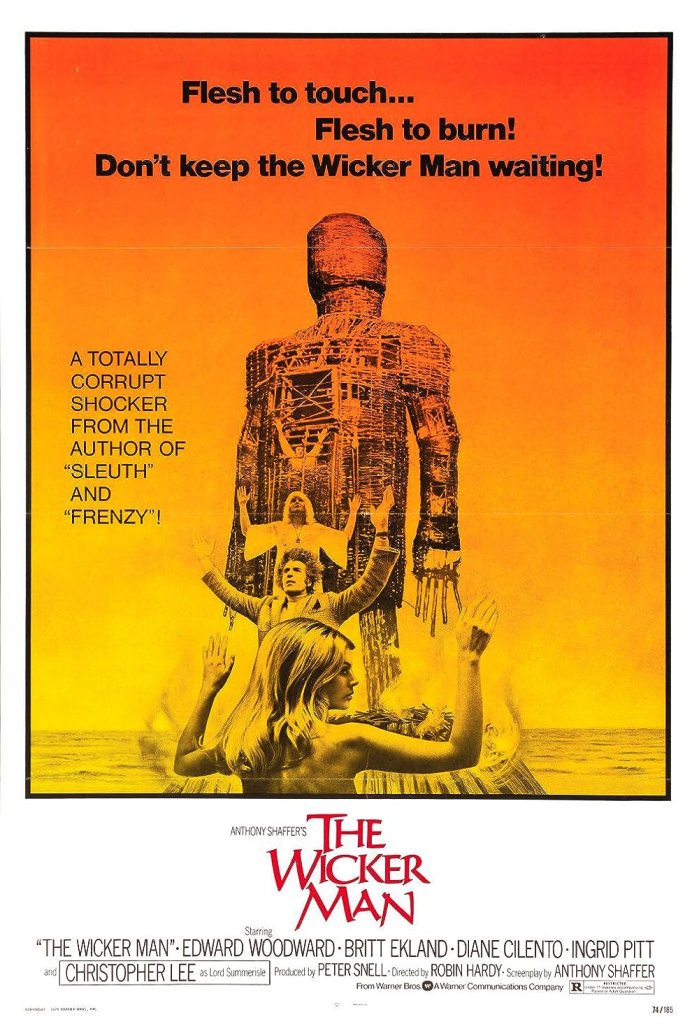
Perhaps not just one of the most unique horror films of the 1970’s, but of the genre as a whole, The Wicker Man is a highly entertaining and occasionally disturbing film, especially, I imagine, if you’re of a conservative religious bent. It’s a classic for good reason, and definitely a movie worth looking into.

Luckily, I don’t need to say that. Most horror fans at least know of the film, and while it may not be to everyone’s tastes (an online friend of mine complained about the music that permeated the first half), if you go in without knowing much, I doubt it’s a film that will easily be forgotten.

Personally, I’m a big fan of the story, and while some might not think much of the mystery here (if for no other reason, cultural osmosis), I find the film entertaining, especially on a sociological level. See, the main character, played by Edward Woodward, is a police officer, but more importantly, a devout Catholic, and when he investigates the disappearance of a girl on a small island, is rather turned off by the people’s religious beliefs, which he sees as pagan.

And to be sure, the islanders are of a Celtic pagan brand – they have far different views on love and sexuality, on death and rebirth, on what constitutes serving the gods they believe in. It’s a beautiful culture shock, seeing a very Catholic individual being faced with what he perceives as immodesty and sacrilegious beliefs (he even goes as far as to claim the beliefs of the islanders a “fake religion,” as if Christianity has any more basis in truth).

It’s here that I should state what I’ve likely mentioned before, as it’s relevant in this case. I’m pretty much a life-long atheist. I was raised Catholic in some manners, but the beliefs never stuck, and I’ve been one who thinks far higher of logical thought than words in old books. I definitely don’t care for the worldview of Woodward’s character, and I also don’t care for the worldview of the islanders.

The difference is, aside from some aspects of their worship (such as what is demonstrated during the fantastic finale of the film), I can fully see why the islanders would hold the beliefs they do. Their religious beliefs don’t seem to be oppressive (or anywhere near as oppressive as the Christian faith tends to be), and I appreciate how their society is sexually open, as that seems a far safer way to be than a society that advocates abstinence.

What I’m trying to say is that while I don’t hold to either belief system, I can see the appeal of the islanders, and I can’t fault them for any of their actions. It’s a fascinating topic to see tackled in a film, and it just gives the film such a unique and folksy feel.

Edward Woodward (Incense for the Damned, The Appointment) did amazing here, and I loved his discussions with Christopher Lee’s character. Lee (The Curse of Frankenstein, Dracula, Taste of Fear, The Creeping Flesh, The Skull, I, Monster) is of course great in most movies he’s in, but I’ve never seen him have as much fun as he does here. From beginning to end, he seems like he’s having a hoot, and who can blame him? I also enjoyed both Britt Ekland (Demon Rage and Endless Night) and Lindsay Kemp here.

One of the aspects that make The Wicker Man a memorable movie is the consistent use of music. A soft song titled “Corn Rigs” by Paul Giovanni plays a handful of times, which is a peaceful piece. A bawdy barroom song titled “The Landlord’s Daughter” was a hell of a lot of fun, and to celebrate the ever-important May Day, there’s the rather catchy “Maypole Song” (“and on that bed, there was a girl, and on that girl, there was a man”). I love the music here, and while I can imagine it might turn some people off (such as my aforementioned friend), it lends the movie such a quality atmosphere.

As my hombre Ser Bronn said in Game of Thrones, “it’s all about the ending.” Of course, that’s not accurate here, and the whole of the movie is engaging, but it’s the ending that has traumatized and shocked people. Most horror fans, if not most movie fans, probably know the ending even if they’ve not seen the film, but even so, it’s a fantastic finale and it knows what it’s doing.

For an added bonus, while I don’t usually mention other reviews, I did want to take a few moments to point out two other (more comprehensive) reviews for The Wicker Man, one from Mario Lanza, another from 1000 Misspent Hours (a site I often gravitate towards). Both of these reviews are well-worth reading, and they both do this movie justice.

Odd as it may be, The Wicker Man is one of my favorite 70’s horror films. I’ve only seen it twice, now, and I’ve not even seen the uncut version (which apparently runs 99 minutes, according to IMDb), but it’s such a striking and entertaining film that it’s a must-see for fans of the genre, and even if you’re one of the individuals who can’t get into it for some reason or another, at the very least, you have a great conclusion to look forward to.

9/10

Ecologia del delitto (1971)

Directed by Mario Bava [Other horror film: I vampiri (1957), Caltiki il mostro immortale (1959), La maschera del demonio (1960), Ercole al centro della Terra (1961), La ragazza che sapeva troppo (1963), I tre volti della paura (1963), La frusta e il corpo (1963), 6 donne per l’assassino (1964), Terrore nello spazio (1965), Operazione paura (1966), 5 bambole per la luna d’agosto (1970), Il rosso segno della follia (1970), Gli orrori del castello di Norimberga (1972), Lisa e il diavolo (1973), The House of Exorcism (1975), Schock (1977)]

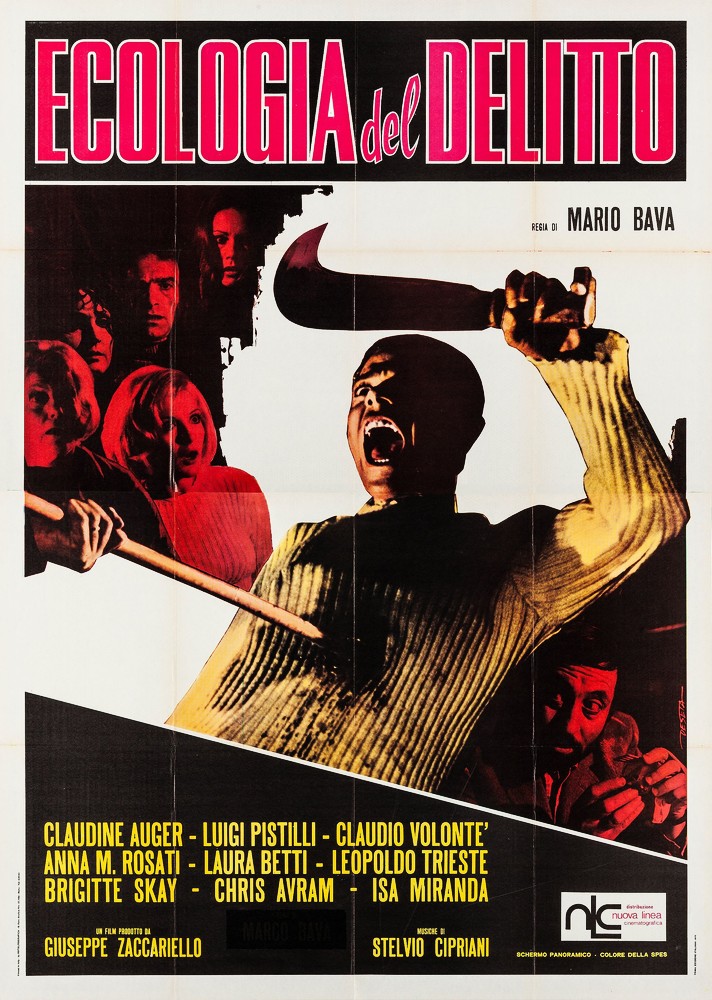
Likely better known under titles such as Bay of Blood and Twitch of the Death Nerve, this Mario Bava film has been a movie I’ve been wanting to see for a long time. I came into it trying to temper my expectations, because I didn’t want to be disappointed (and I’ve heard some less-than-stellar reviews of this one), and I came out quite fascinated.

My expectations were somewhat simple – a bloody giallo with a decent mystery. Well, I don’t know if the mystery itself is that great, but the approach to the story is what really sold it to me, and I don’t know how many movies I’ve seen that had such an interesting final thirty minutes.

It starts off normal enough, with some murders happening around a bay (a fantastic setting, but I’ll touch on that shortly), and we’re introduced to a lot of characters, each with their own objectives and goals, so it felt as most gialli do. Once we’re let in on some secrets in the final thirty minutes though, the whole film becomes quite kinetic in a way I’ve not seen before.

And what I mean by kinetic is this: there are a bunch of people at the bay – an insect lover (Paul) and his medium wife (Anna), another man (Albert) and wife (Rennie), a guy who lives in a shack on the bay (Simon), and another guy who has a house nearby (Frank) – and about halfway through, things start getting wild. Paul pops in on Albert’s car, asking where Anna went – his wife went down to the shack, to speak to Simon. Later, Albert sees Paul run out of a house where a body was, and Rennie was one of the potential victims.

Needless to say, I may not be able to explain things well, but the point is this: a lot of things are happening, and at that point in time, we keep switching to different characters, giving us different perspectives all in this very close-knit area (most of the film takes place very close together, and I loved that), and it just felt so energetic and fun.

It’s hard to talk about great performances, because I thought all of the central characters did well. My favorite two would have been Leopoldo Trieste and Claudio Camaso (who has an interesting, and rather tragic, personal history). Laura Betti (A Hatchet for the Honeymoon) struck me as a bit stereotypical in her medium role, but others, such as Chris Avram (The Killer Reserved Nine Seats, L’ossessa), Luigi Pistilli (The Iguana with the Tongue of Fire, Your Vice Is a Locked Room and Only I Have the Key, A White Dress for Marialé), and Claudine Auger (The Black Belly of the Tarantula) were all solid.

Naturally, a big talking point about the film would be the gore, and the gore is quite solid throughout. I loved the double impalement, along with some throat slittings and someone getting stabbed with a spear, but I think the finest moment was a beautifully-choreographed decapitation – I saw the set-up, and was quite happy with the follow-through. A Bay of Blood certainly has some fine violence in it, and I dug it.

This film isn’t really comparable to most gialli I’ve seen, as it’s shorter and a bit more base in it’s intent, feeling at times like a classic 80’s slasher. Flashbacks are used to great effect toward the finale, but the story still comes across less like The Case of the Bloody Iris and more like Friday the 13th, which isn’t a bad thing whatsoever, as I suspect this might be a more digestible film for those who don’t want to spend an hour and a half with a more complex story.

If I’m being honest, I sort of expected to be disappointed with A Bay of Blood, but I wasn’t. It started off a little shaky (as great as those first kills were, things felt a bit average for a period of time), but about halfway in, it really grabbed me, and I loved most things about the final thirty minutes (even the off-the-wall, hilariously random final sequence). Definitely a fun time.

8/10

I tre volti della paura (1963)

Directed by Mario Bava [Other horror film: I vampiri (1957), Caltiki il mostro immortale (1959), La maschera del demonio (1960), Ercole al centro della Terra (1961), La ragazza che sapeva troppo (1963), La frusta e il corpo (1963), 6 donne per l’assassino (1964), Terrore nello spazio (1965), Operazione paura (1966), 5 bambole per la luna d’agosto (1970), Il rosso segno della follia (1970), Ecologia del delitto (1971), Gli orrori del castello di Norimberga (1972), Lisa e il diavolo (1973), The House of Exorcism (1975), Schock (1977)]

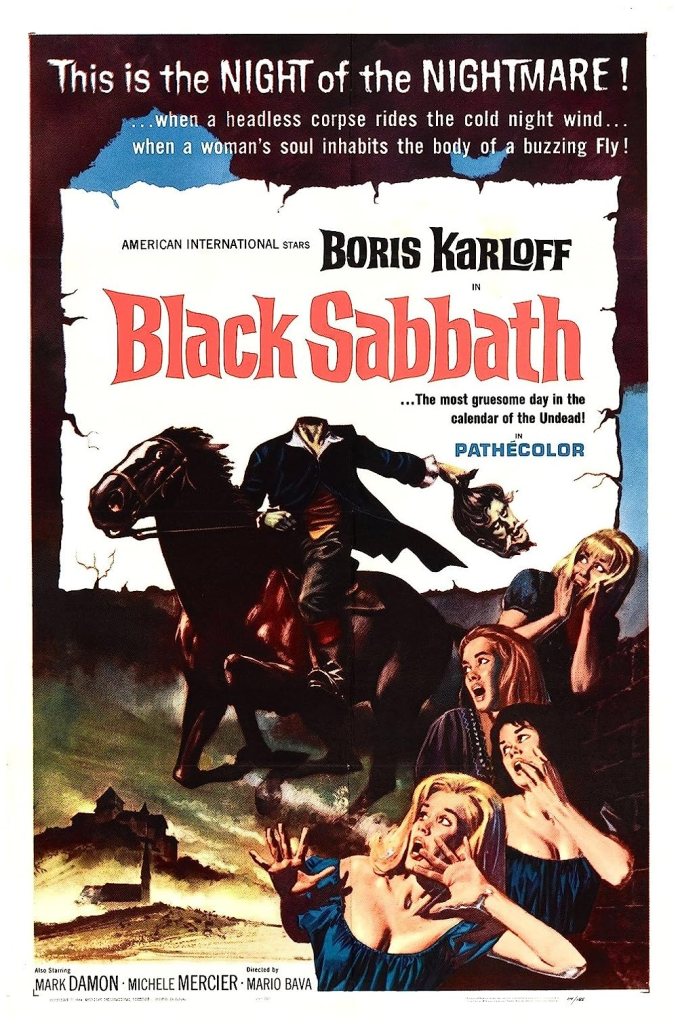
Infinitely better known under the title Black Sabbath, this Italian anthology has never really impressed me. Of course, I’ve only seen it twice now, so that may change with future viewings, but right now, it just doesn’t seem that great a movie.

What possibly might impact that conclusion is that I’ve seen only the American print. Both versions contain the three same stories – ‘The Telephone’, ‘The Wurdulak’, and ‘The Drop of Water’ – but the stories are in a different order in the American copy, along with edits being made to the stories, most prevalent in ‘The Telephone.’

I don’t know if I’d like the movie anymore with the original print, but I can say that as I believe ‘The Telephone’ is by far the weakest segment here, I’d definitely be open to seeing the story done differently. ‘The Wurdulak’, which is the final story in the American print, isn’t that bad, but it does run on a bit long, and possesses a bunch of annoying character mistakes that make it quite hard for me to sympathize with them, not to mention having somewhat melodramatic dialogue (“All I know is that I love you”).

The true winner of this film, as far as the segments go, is ‘The Drop of Water’, which is unfortunate, as it’s the segment that opens the American copy, meaning that after the story is done, there’s little to look forward to. ‘The Drop of Water’ is sweet and simple, and is a masterclass in suspense. From the moment we first see the dead body of the medium to the final scene, it’s a very thrilling story, and a pleasure to watch.

It’s also a pleasure to see Boris Karloff introduce the stories (though I would have liked it if he also had some closing dialogue), and not only that, but he was also in ‘The Wurdulak,’ playing a beautifully threatening role (though that one piece of dialogue – “Can’t I fondle my own grandson?” – was dated terribly). Jacqueline Pierreux was amazing in ‘The Drop of Water,’ and while some of his choices bothered me, I thought Mark Damon did decently in the final story. It may partially just be the story, but Michèle Mercier didn’t really impress me in ‘The Telephone.’

Obviously, Black Sabbath isn’t without it’s strengths, which is evident by the amount of people who call the film a classic. No doubt that it looks nice – the color is rather fresh for an early 1960’s movie, and the portions of the film that it gets right, it really gets right. It’s just that it doesn’t happen often, and though the film might be better in the original Italian print, I can’t imagine my views changing significantly.

In short, despite it’s classic status, it’s not really a film I enjoy save for ‘The Drop of Water,’ and there are so many other horror films from the 1960’s that I’d rather watch.

6/10

Killer Mountain (2011)

Directed by Sheldon Wilson [Other horror films: Shallow Ground (2004), Kaw (2007), Screamers: The Hunting (2009), Carny (2009), Mothman (2010), Red: Werewolf Hunter (2010), Scarecrow (2013), Shark Killer (2015), The Unspoken (2015), The Hollow (2015), The Night Before Halloween (2016), Neverknock (2017), Stickman (2017), Dead in the Water (2018)]

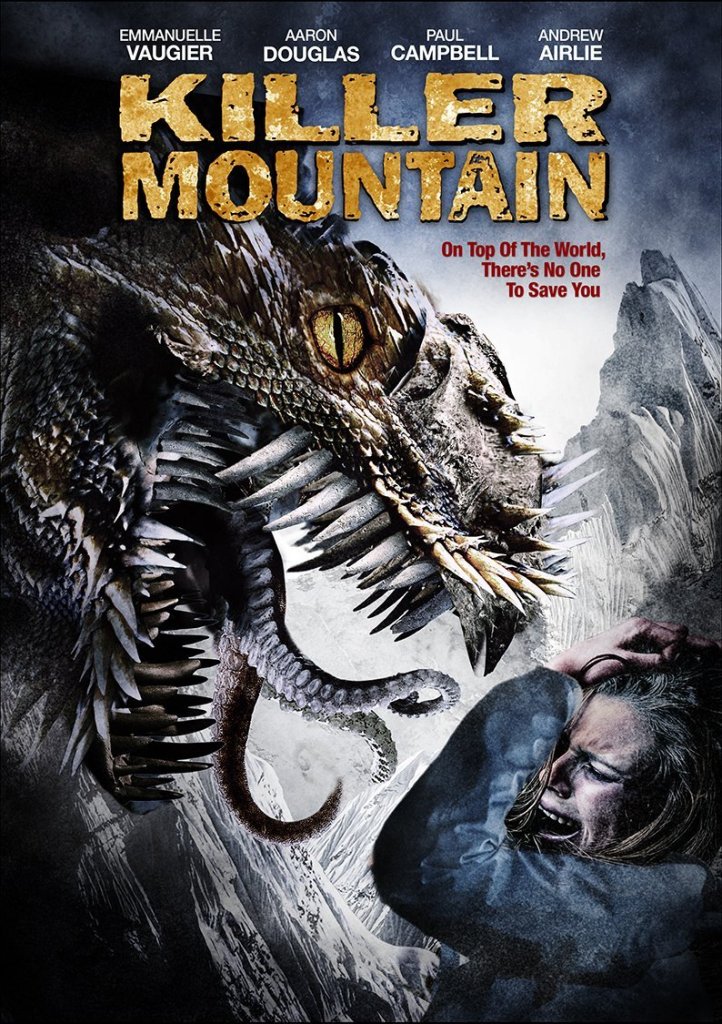
While Killer Mountain isn’t a particularly good movie, I do have to give it credit for a somewhat unique premise. It’s still not really worth seeing, but if you do take a chance with this, at least you get some mountain action.

There’s not that many horror films that deal with mountain-climbing, so if that’s something you have a hankering for, look no further. There are some moderately suspenseful sequences here, such as a person trying to rescue someone from a helicopter hanging off a 2,000 feet drop, which was fun.

Really, what gives this movie a slightly more interesting feeling is the setting, being the Gangkhar Puensum mountain in Bhutan. To be sure, this wasn’t at all filmed there, but for an in-universe setting, it’s unique, and seeing people trying to climb a snowy peak has a nice adventurous aura to it. It helps that the dragon-like creatures are attempting to consume them, of course.

I can’t say there were many performances that really stood out. I guess that Aaron Douglas (The Monster, Blood: A Butcher’s Tale) made an okay lead. He was at least different from the generic young, pretty guy. Everyone else pretty much had the occasional moment, such as Andrew Airlie, Crystal Lowe (Wrong Turn 2 and Yeti: Curse of the Snow Demon), Paul Campbell (Severed), and Torrance Coombs, but this isn’t a movie to watch for the performances.

To be sure, I don’t think it’s a movie to watch for the dragon-like creatures either, as we’re barely able to make them out. At the same time, that might have been a wise decision, especially if the special effects wouldn’t have been up to snuff, which seems likely based on the few more creature-centrict scenes we did get. There was also a leech-type thing with quite sharp teeth, which looked disturbing, but save for one sequence, these didn’t really appear at all.

Killer Mountain wasn’t a movie I found that remarkable when I first saw it, and it’s only because it takes place on a mountain in Bhutan that I tend to remember the film. It’s not a bad watch, but it’s nowhere near stellar, and I wouldn’t personally go out of my way to see this one a third time.

5.5/10

Backwoods Bloodbath (2007)

Directed by Donn Kennedy [Other horror films: N/A]

In many ways, I think Backwoods Bloodbath is an impressive independent film. It’s not great, but it’s a very solid attempt, with some decent humor and a fine enough story.

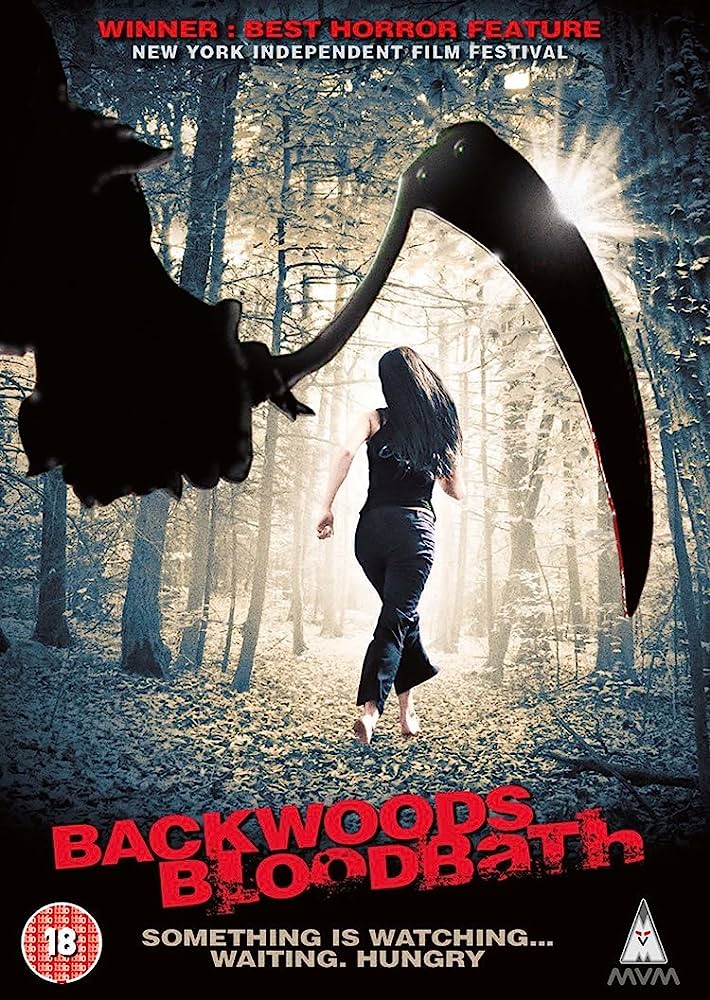
Filmed entirely in Wisconsin, the film deals with a mysterious creature known as the hodag (which is indeed a real urban legend around the Wisconsin area) and a bunch of college kids having a reunion who run amok of it. It’s simple, but the story has a twist thrown in, so it’s not as straight-forward as it might sound.

What helps a lot is the good sense of humor the film has. There is some legit amusing dialogue in the film, from a guy playing football, telling his buddy “to take a cue from my dick and go long,” to one of the funniest, sports-obsessed guys I’ve seen, played amazingly by Travis Ruhland.

In fact, I think that Travis Ruhland should get a medal. He cracked me up so often in this movie (“WHERE’S MY BRATS?”): how he completely ignored his injured and scared friends to listen to a football game, or how he, naturally, became dejected (“I want to die”) after his team lost. It was good stuff, and I loved him here. Aside from Ruhland, I’d say Angela Lowe and Dwight McMillan were solid. Amy Quinn and Jesse L. Cyr both had their moments, but I didn’t love where Cyr’s story took him, and Quinn really just had one notable moment.

The special effects here weren’t amazing, nor were the kills, but for a lower budget movie, I thought they were perfectly serviceable. They mostly consisted of organs and the like falling out of bodies, but we do see someone’s leg get chopped off, which I thought was playful. I will add that the design for the hodag was solid – wearing a long, black trench coat and holding a hand-held scythe, I thought they did well with it.

I’ve seen Backwoods Bloodbath before, but I didn’t remember a whole lot about it, and aside from some of the funnier pieces of dialogue and scenes, I sense that this will again be the case in a couple of months. Even so, Backwoods Bloodbath did a decent amount right, and given it won an award (the best horror feature in the 2008 New York International Independent Film & Video Festival), I think others saw the potential also.

Look, I don’t think it’s a movie that would wow many people, but it was well done in plenty of aspects, gave some good laughs (while keeping silliness away), and isn’t a bad time, even though it’s not exactly good.

6.5/10

The Hypnotic Eye (1960)

Directed by George Blair [Other horror films: Spook Chasers (1957)]

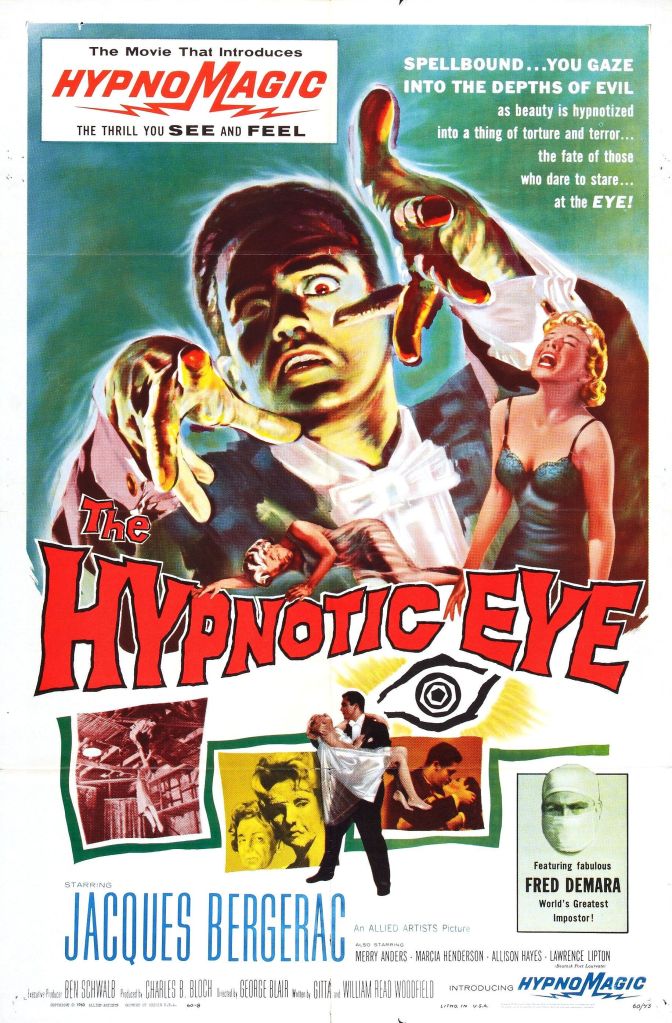
While primarily a pretty decent movie, I have to say that The Hypnotic Eye occasionally feels as though it’s dragging. There’s some sidesteps the film takes that go on a bit longer than you might hope, and while the main story is good, I think things could have been a bit tighter.

I do adore the main plot, though, which deals with the mysterious disfigurements women have been doing to themselves (such as sticking their faces in a fan blade, or drinking lye, or washing their face in acid), possibly (and most certainly) due to post-hypnotic suggestions given by less-than-scrupulous hypnotists.

In fact, hypnotism, which has been featured in past horror films, such as The Magician and Svengali, probably hasn’t been as terrifying as shown in this film for some time. No doubt, it’s black-and-white, and generally quite tame, but there are a few scenes that are somewhat disturbing, such as one featuring a woman who has been blinded. Actually, the concept sort of reminds me of a far cleaner version of The Wizard of Gore, made ten years later by H.G. Lewis.

Despite enjoying the base plot, what with a police detective investigating the mystery after a personal friend disfigured themselves in a similar manner as 11 others, there’s a decent bit of time that’s spent on material not that engaging. The beat poem was mercifully quick (and yet, it felt much longer), but a good 15 minutes follows a woman around who has been hypnotised, and not that much happens (she goes out, has a nice dinner, dances, listens to poetry, and necks like a wild nymph).

There’s also the whole audience being hypnotized at the end – I don’t doubt that the movie-makers planned for the real-life audience watching the movie to participate also. This consists of examples like “Put your hands in front of you, and interlock your fingers. You can’t pull your hands apart, no matter how hard you try. You try, you’re failing. You can’t.” It’s not just once or twice, but five different versions of the exact same trick are utilized, and it got old long before that. I’m just trying to say I’d have liked more investigation and less audience participation

Joe Patridge was fine as the lead, though he didn’t have quite as much to do as I’d have hoped. Guy Prescott was pretty good also, and I did quite like his warning against hypnotism, as corny as it was, during the final scene of the film. Somewhat amusingly, I don’t think that the hypnotist, played by Jacques Bergerac, stood out that well. I guess he looked the part, but he didn’t really seem to have much in the way of personality. Others were in the same boat, such as Marcia Henderson and Allison Hayes (The Undead, Zombies of Mora Tau, The Disembodied, The Unearthly), who didn’t really peak until the end.

Personally, I remember the film being a little more fun the first time I saw it. Not that it’s a bad movie now, as it can be a reasonably entertaining film, but even at just eighty minutes, it feels as though it drags here and there, which is never a good sign. It’s still fine, but ultimately feels a bit more average than I personally wished it did.

Still, The Hypnotic Eye is still a bit of a treat, if only because early 60’s horror is mostly exemplified by Psycho and miscellaneous Roger Corman and William Castle movies, so this is an okay change of pace, and not a bad way to spend a little time on.

6.5/10