Carrie (1976)

Directed by Brian De Palma [Other horror films: Sisters (1972), Phantom of the Paradise (1974), The Fury (1978), Raising Cain (1992)]

For many reasons, Carrie has never been a favorite of mine. I generally enjoy the novel (and the rather unique, journalistic approach the novel takes to the events), but the story itself isn’t really my cup of tea. I enjoy movies that include revenge as much as many horror fans, and the prom sequence here is pretty spectacular, but in terms of enjoyment, the prom sequence (along with the finale as a whole), is about all the movie has to offer.

Don’t get me wrong – many of the main cast members here shine beautifully, such as Sissy Spacek (her performance, especially during the emotionally-tumultuous prom scene is fantastic) as Carrie, and she definitely does a great job. Playing her mother, a religious nutcase (more so than usual), Piper Laurie does amazing. I really liked William Cobb (who later starred in the horror-comedy House), and he too shone, especially during the prom sequence. John Travolta was more a curiosity than anything, and the three actresses Betty Buckley, Nancy Allen, and Amy Irving didn’t really do much for me. It was nice, though, to see P.J. Soles (Lynda from Halloween), despite her character being utterly irredeemable.

That’s one of the big problems for me in this movie – save for Spacek’s Carrie and Buckley’s character, and perhaps Cobb’s, there’s virtually no characters in the movie worth liking. As far as I’m concerned, Carrie never should have been left with a mother so utterly insane, period, and should have been moved out of the house. Related, if the school had done the proper thing and expelled each and every girl who heinously humiliated Carrie at the beginning, like they should have, things may have gone better instead of spiraling out of control.

Carrie didn’t do anything wrong in the movie, as far as I could tell (which is why, near the end, when there’s a spray-painted comment ‘Carrie White burns in hell’, I shake my head in frustration), and the sole blame of the incidents falls squarely and solely on Chris, Billy, and Norma. I think this is my biggest frustration, because none of those actually responsible for this really get the death they deserved, which was not at all satisfactory.

Parts of the movie just piss me off (such as the principal not having every single student who mocked Carrie expelled as his first reaction to the incident), and it’s hard to really enjoy a movie when there’s few characters to root for. I love the 70’s vibe (though that really odd comedic scene in the tuxedo shop, I could have done without), and I know that many 70’s films are a bit on the slower side, but very little of much interest happens before the prom scene, and that’s a problem.

The prom sequence is amazing. I loved the muted dialogue during the laughing, I loved the split screens, and even before the prank got pulled, I loved how Katt’s character really seemed to be enjoying his time with Carrie, and tried to get her to come out of her shell some. It was masterfully done, and if the rest of the movie was done as well as the prom was, then this would easily be in my top horror films for the decade.

Here’s the issue: I can think of at least 25 other horror films from the 1970’s that I’d rather watch again over this one. In fact, I will list ten horror films from the 1970’s that I find infinitely superior and far more enjoyable than Carrie: 1) The Wicker Man, 2) Deep Red, 3) Phantasm, 4) Halloween, 5) The Omen, 6) Burnt Offerings, 7) Theatre of Blood, 8) Don’t Torture a Duckling, 9) Rituals, and 10) The Hills Have Eyes. And I can name many more than that, if need be.

Carrie is a classic to so many people, but a single, albeit fantastic, sequence, doesn’t make something a classic to me. Obviously, if Carrie is one of your favorite 70s flicks, by all means, hold onto that. But it’s nowhere in my Top 50 horror flicks of the 1970’s, and it’s not a movie that I find myself going back to. Overall, there are some great performances here, and some really solid content, but the movie is below average in my opinion, and it’s not something I particularly enjoy much.

6/10

This is one of the films discussed on Fight Evil’s podcast, so if you’re interested in hearing Chucky (@ChuckyFE) and I discuss and somewhat debate this one, by all means, listen below.
Cardiac Arrest (1979)

Directed by Murray Mintz [Other horror films: N/A]

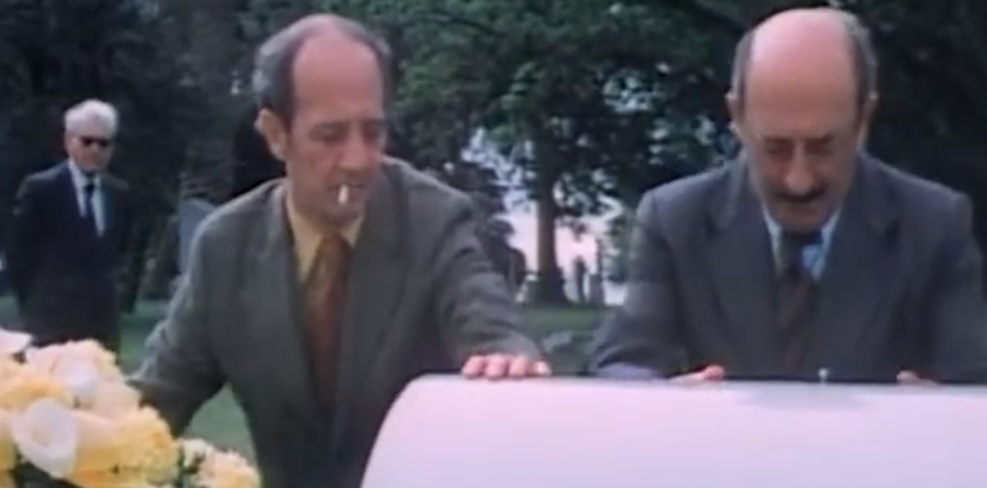
What could have been a promising early slasher of the 1980’s was ultimately little more than a rather dull crime/drama flick with elements of horror sprinkled in far too sparingly.

Cardiac Arrest, what with it’s feel, had the sensibilities of a 70’s flick, and while I don’t have an issue with 70’s crime flicks (The Laughing Policeman and The Taking of Pelham One Two Three are both films I enjoyed), I can’t say that much of this wasn’t utterly dry. I liked the main detectives well enough, but that wasn’t enough to keep the story interesting.

As it was Garry Goodrow and Michael Paul Chan did fine as the two main detectives, and I sort of liked the way they worked together, but Cardiac Arrest was 80% crime, 15% drama, and 5% horror, and that might be generous. I found the story, for a crime movie, decent, but it was very far from engaging.

Unfortunately, the poster for the film foreshadows a lot more promise than what the film is ever able to deliver, because save one or two scenes, this barely counts as a horror film. It hurts more because this is one that I’ve been interesting in seeing for at least six years – truth be told, past a certain point, I wasn’t expecting much, but I was still somewhat disappointed.

The really sad thing is that, if this wasn’t put out there as a horror film, it would have probably made a decent television pilot, like The Streets of San Francisco’s hour-and-a-half pilot that dealt with Satanism. But as a movie that’s marketed toward horror fans, Cardiac Arrest was just way too dull and meandering.

5/10

This was covered on Fight Evil’s podcast, so if you want to listen to Chucky (@ChuckyFE) and I discuss Cardiac Arrest, by all means, enjoy.

Terror House (1972)

Directed by Bud Townsend [Other horror films: Nightmare in Wax (1969)]

Perhaps better known under the (admittedly more memorable) title Terror at Red Wolf Inn, Terror House is an interesting, though ultimately somewhat forgettable, little movie.

The plot is of mild interest, what with young women being lured to a remote inn for a vacation, only to eventually be killed and consumed by the elderly cannibalistic owners, and it’s that cannibal aspect that I find most unique. Two years before The Texas Chain Saw Massacre hit the scene, we have a movie with a cannibalistic family going after people, which makes me wonder why this one isn’t mentioned a bit more.

Truth be told, there’s not a whole lot I wanted to touch upon on Terror House, but a few things stand out, such as the peacefully catchy opening song (credited as ‘My Dream’ by Marilyn Lovell), a folk-county piece that pulls you into the movie. Okay, it’s not that good, but it was a nice, somewhat cheesy, song, and it looks like I’ll have to rip it from the movie itself as no other videos seem to exist of it online.

Within the film, two scenes stand out, both of which are amazingly ridiculous. In the first scene, our main character Regina (played by Linda Gillen) finds out she’s won a vacation to the mysterious Red Wolf Inn, and excited beyond comprehension, she runs out of her dorm room to tell her neighbors, or anyone, that ‘I’m a winner! I won! I’m a winner!’ Such exuberance has nary been witnessed before on screen. It’s just hilarious.

Also hilarious is when a somewhat off man named Baby John (played by John Neilson) sees a shark swimming near the shore, and he freaks out, screaming ‘SHARK!’ and then mercilessly beating it to death on a rock, then once done, turns to Regina, only to say that he loves her. He walks away. Regina’s confused. Cue end scene.

Despite what these two scenes might otherwise suggest, like most 70’s horror, Terror House generally took itself seriously. The older cast members (Arthur Space and Mary Jackson) were both seemingly sweet, but turned out rather sadistic, and while there’s not much in the way of gore here, there were a few solidly suspenseful sequences that weren’t too shabby.

Linda Gillen wasn’t amazing here, but she did have that youthful naiveté that I sort of appreciated, though how she fell for a guy like Baby John (John Neilson), I’ll never understand. She did seem a little bit of a ditz, so maybe she didn’t think too much on it. Neilson, for his part, was sort of interesting, as his character was conflicted between following the family tradition or breaking free of the madness and finding a potential stability. Both Arthur Space and Mary Jackson were fun, all things considered.

As interesting as portions of Terror House are, there’s also a fair share of dull sequences, such as multiple scenes eating dinner (always awkward), or just a general slow-moving plot. Mill Creek Entertainment’s copy of the movie isn’t great, but at least this got a DVD release, however cheap, because otherwise, I suspect this would even more unknown.

The conclusion of the film was questionable, but I did appreciate the layout of the credits (setting things up like an old-fashioned menu, which was pretty cute). Overall, while the goofy scenes are a treat, I don’t think Terror House is a movie that I’d revisit all that often, and can only tepidly recommend it for a single watch.

5.5/10

Mardi Gras Massacre (1978)

Directed by Jack Weis [Other horror films: Crypt of Dark Secrets (1976)]

This is a movie that I’ve long wanted to see, and for the longest time, I’ve pretty much known it wasn’t going to be that great, which is certainly accurate after finally having seen it.

In many ways, I was reminded of the classic H.G. Lewis flick Blood Feast from 1963, from a sacrificial killer to decent gore, only it wasn’t near as engaging (Blood Feast, on a side-note, isn’t really an amazing movie, but in many ways, it blows this out of the water). The main problem was that this was so repetitive, almost to the point of parody.

Step one, the killer enters a bar and asks for someone evil. Step two, the evil woman accompanies him back to his apartment. Step three, the killer offers some wine. Step four, they go to a room where oil is rubbed on the evil woman’s nude body before she’s tied up and stabbed through the hand, sliced on the sole of her foot, and lastly, slit from her gut upward. This happened three times in the movie with minimal variation. The first time was fine, and the gore is decently gruesome (or it tries), but God, is it as dull as it sounds? Is it ever.

It doesn’t help that the main protagonist of Mardi Gras Massacre is a woman-hitting cop (which isn’t surprising, as a rather high amount of cops beat their spouses) with the sympathy level of a KKK Grand Wizard, played by Curt Dawson. None of his investigation was particularly interesting or noteworthy, and when he slaps his girlfriend (Gwen Arment) twice, I hoped for a painful death that he never got. Instead, the girl apologized to him and they got back together. Fantastic character arc – love it. The killer, played by William Metzo, did the best of everyone, and possessed a certain charm, so if you see this one for any reason, do it for Metzo.

Also worth noting, I’m not opposed to disco. I love me some Bee Gees, Tavares, KC and the Sunshine Band, and a handful of others, but when your whole soundtrack is composed of generally generic disco, I’m going to have a problem, which I did. It was sort of funny, but boy, just like the repetitive nature of the plot, the soundtrack got really old.

With a title like Mardi Gras Massacre, I personally think people would expect a movie more wild and fun, but this is neither. It’s not a great film whatsoever, and it’s pretty close to being too dull to classify as a ‘so-bad-it’s-good’ film. The best I can say is that the gore is decent, but even that can’t make up for the unlikable characters or the dull nature of the film.

4.5/10

This was discussed on Fight Evil’s podcast. Listen to Chucky (@ChuckyFE) and I discuss this below.

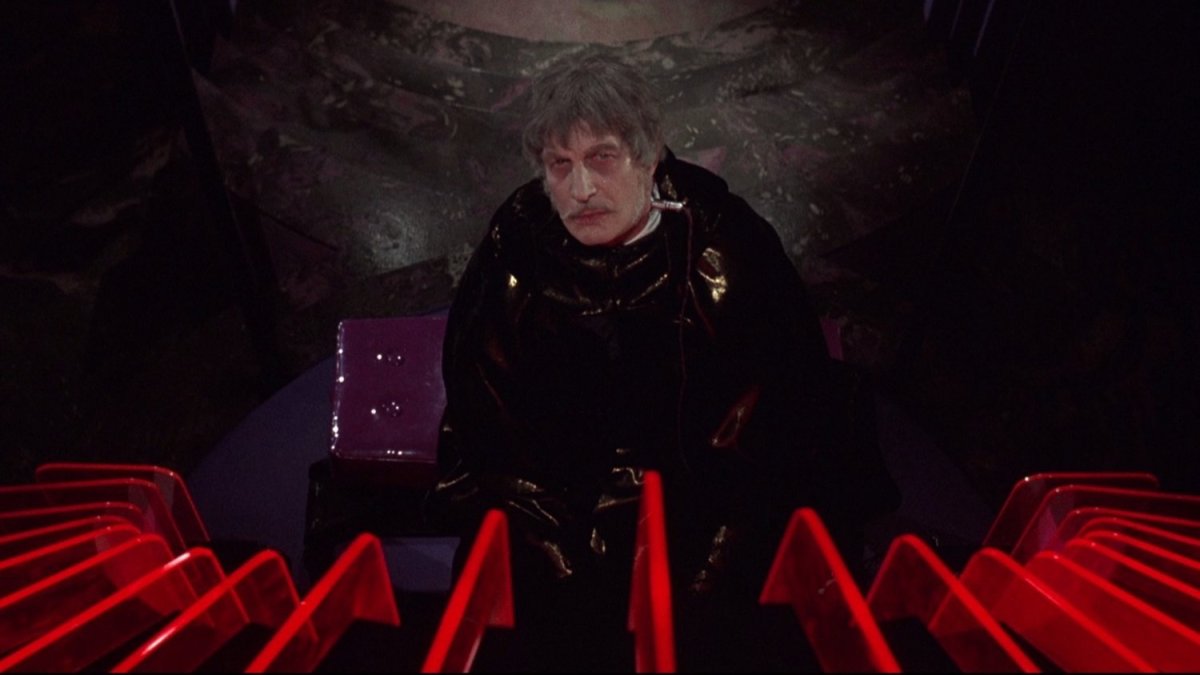
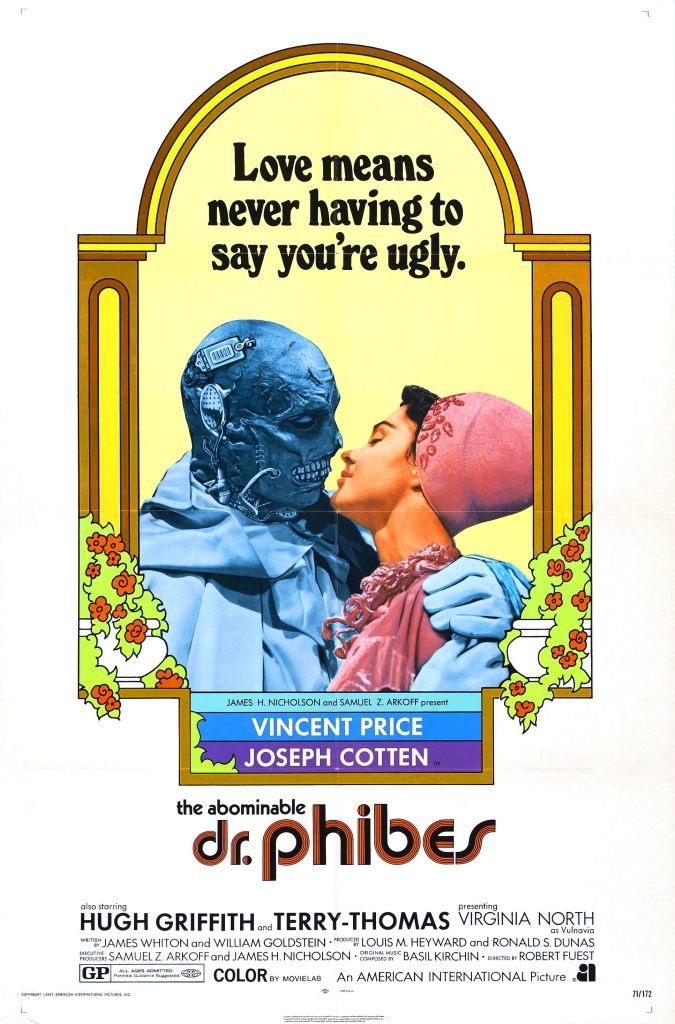
The Abominable Dr. Phibes (1971)

Directed by Robert Fuest [Other horror films: And Soon the Darkness (1970), Dr. Phibes Rises Again (1972), The Devil’s Rain (1975), Three Dangerous Ladies (1977, segment ‘The Island’)]

I’ve seen this one something like three or four times before, and I always left with a lukewarm feeling. Seeing it once again, I don’t find the movie bad, or even all that mediocre, but despite the cleverness and amusing pieces of dialogue throughout, this still isn’t a movie I love.

As it is, I really like most of the really random kills (perhaps the death-by-brass-unicorn is my favorite, but the bat kill was great, as were the locusts, snow-blower, and the exsanguination scenes), and the character of Dr. Phibes, played by Vincent Price, was really interesting and moderately tragic. Even so, the movie doesn’t work for me.

Vincent Price was a clear stand-out, but this movie isn’t really as driven by him as many of his other films are (such as House on Haunted Hill or Theater of Blood), possibly because he didn’t speak all that often. Others were pretty solid also, such as Joseph Cotton, Terry-Thomas (who I love in anything I see him in, from The Vault of Horror to my favorite comedy, It’s a Mad Mad Mad Mad World), and Peter Jeffrey.

The movie does possess a bit of a tragic feel, especially toward the somewhat somber conclusion (which also had a solid precursor to a Saw series trap, which was innovative), so that worked out well, but though I enjoyed much of the comedy (which was never too pervasive, luckily), I still find the movie hovering around average, which may change sometime in the future with another viewing.

7/10

This was covered on Fight Evil’s podcast, so if interested, listen as Chucky (@ChuckyFE) and I discuss The Abominable Dr. Phibes.

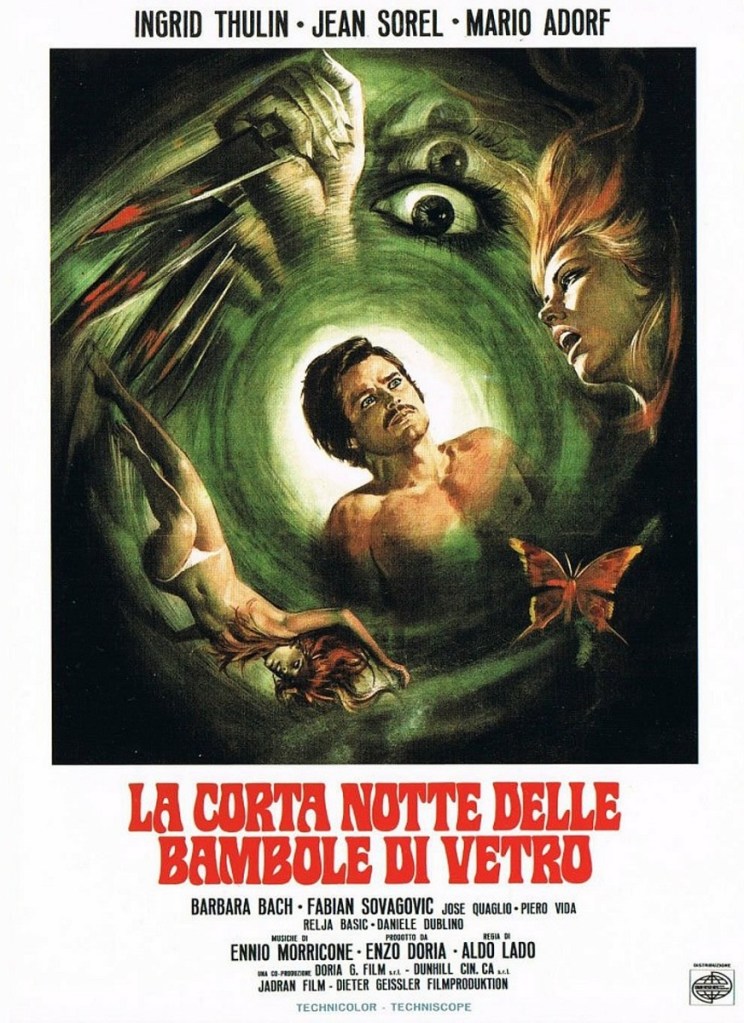
La corta notte delle bambole di vetro (1971)

Directed by Aldo Lado [Other horror films: Chi l’ha vista morire? (1972), L’ultimo treno della notte (1975), Il Notturno di Chopin (2013)]

This Italian giallo, widely known as Short Night of Glass Dolls, was a decent film for much of the run-time, but toward the end, it sort of went into a somewhat incoherent mess.

The mystery here is pretty good, and enjoyable to watch unfold. A young woman disappears without a trace in Prague, and her lover, an American journalist, attempts to find her. It’s typical for a giallo, but that doesn’t make it any less fun. It’s made better by the setting, and more so, the time period, as this took place when then-Czechoslovakia was a Communist state behind the Iron Curtain.

Because of that, there is a bit of anti-USSR material strewn throughout the film, and even toward the conclusion, though I don’t think it’s terribly over-troubling. It does lead to a more oppressive feel, and much of the going-ons have a very conspiratorial feeling to them. Problematically, the conclusion doesn’t explain what’s going on nearly as well as I’d have liked, and honestly, I’m at a loss right now as to what actually happened, and why. It’s just not made clear, as far as I could tell.

Worth noting, most of the main story is told via flashback, and the present-day material, luckily, is decently engaging. Still, I don’t care much for the conclusion they had there, either, though it certainly possessed a somewhat bleaker feel than some audiences might be used to.

I’m not trying to harp too much on the movie, because much of it is really engrossing. It’s not until the final ten minutes or so that the movie, in my opinion, falls apart. It’s just rather noticeable because my enjoyment level went down so much as the ending unfolded, and I felt that given how good the film was before, it was rather unfortunate.

I liked much of the principal cast of this film. Jean Sorel took a little bit, but he grew on me as the film went on. Playing a friend of his, I thought that Mario Adorf did well with his more care-free, fun-loving character. Lastly, playing the woman who goes missing, Barbara Bach did well as a beautiful, semi-mysterious woman.

For a giallo, La corta notte delle bambole di vetro is extraordinarily tame. There’s little to no gore, and many of the staples you might expect from the subgenre, such as first-person view from the killer, or black gloves, are absent. The mystery is certainly here, and like I said, it’s done well, but this movie feels really toned down, and if you’re expecting a run-of-the-mill giallo, then you’ll likely to be disappointed.

I will admit to being disappointed by this one, if only because the conclusion (to both the flashback and present-day stories) were so unsatisfactory. I can live with little gore, because the story was otherwise engaging, but what draws me to giallos is how everything’s pieced together nicely at the end, and I definitely didn’t get that feeling here. For what this movie is, it’s okay, but I’d definitely temper your expectations before jumping in.

6/10

Prophecy (1979)

propgecy

Directed by John Frankenheimer [Other horror films: The Island of Dr. Moreau (1996)]

I knew next-to-nothing about this late 70’s ecological horror film before I started it. In fact, I didn’t even know it was ecological, so you know I was going in blind. I like a lot of stuff about this film, but a few factors keep it from being an overly solid movie, such as some special effects issues and the run-time.

Robert Foxworth (The Devil’s Daughter, It Happened at Lakewood Manor, Deathmoon, and Damien: Omen II) did great as the main character, and I rather liked most things about him. Talia Shire (Connie from The Godfather movies), playing his wife, rather humanized him at times, and also did well in some emotional scenes. Armand Assante was fun too, playing a Native American of strong conviction. Lastly, Richard Dysart was also solid, though his character wasn’t particularly likable.

There’s a lot going on in this one that needs to be unpacked a bit. A dying Native American community in Maine dealing with the racist attitudes of the management of a paper mill and, of course, the authorities who back the prominent businessmen as opposed to the minority community. Also, ecological damage done by the paper mill to cut the costs of operation, which happens every single day in the USA. This, along with the casual racism (and toward the beginning of the film, poor black communities in rat-infested tenements, and the racist, greedy landlords who owned them was taken aim at also) show this a movie of strong social conscience, which I deeply appreciated.

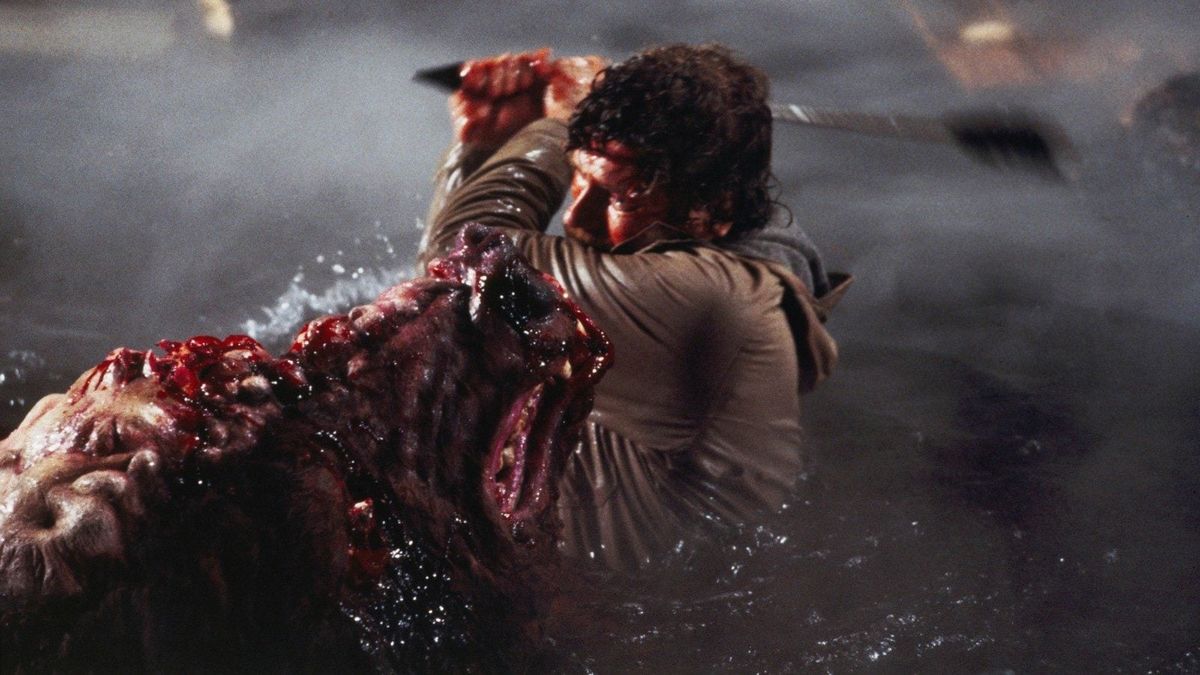
Problematically, the horror aspects weren’t all well-done. The design for the mutated bear didn’t do that much for me, but worse still was it’s overly jerky, fake movements. When it didn’t move, it was almost tolerable, but in action, I thought it looked rather ridiculous. Also, the movie, at about an hour and forty minutes, feels too long. I suspect some would say the beginning is boring, but I was pretty engrossed in all that went down (including the look into the paper mill, which I found rather interesting). It wasn’t until the horror really started up as the focus that I felt like it was dragging, as ironic as that sounds. If ten minutes were cut, and they shorted the somewhat disappointing conclusion, I think it would have ran a lot smoother.

Kudos to the scenes, though, in which the main characters are searching for clues at a murder scene in a heavy downfall of rain. I really liked that sequence, and though there was no horror present, it did feel rather suspenseful in it’s own way. That, and the paper mill sequence, felt pretty unique to this era of movies in my opinion.

There are a lot of things I find in Prophecy to enjoy, and overall, it’s definitely a film I could see myself watching again, but it doesn’t quite get to the level I wish it did. As the movie stands, I’d probably say that Prophecy is somewhere around average, but depending on your particular tastes, it may waver from below average to just above. Unfortunately, I don’t think it’d get much higher, but you never know.

7/10

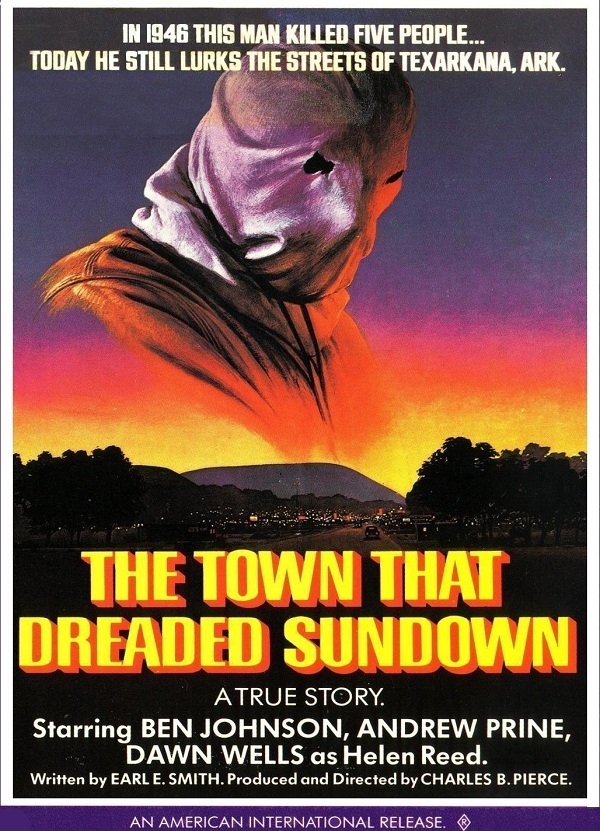
The Town That Dreaded Sundown (1976)

Town that dreaded

Directed by Charles B. Pierce [Other horror films: The Legend of Boggy Creek (1972), The Evictors (1979), The Barbaric Beast of Boggy Creek, Part II (1984)]

My opinion on this crime/horror hybrid hasn’t much changed since I last saw it. It’s a great little 70’s flick based off a real-life series of murders, and the dry documentary-style the movie partakes in (complete with the great narration of Vern Stierman) really does the story justice.

I think what I enjoy most about this is how focused it is on the procedure the police officers go through in order to capture the killer. Of course, we see many of the kills the police aren’t privy to at the time, but for most of the movie, we’re following Ben Johnson’s Captain J.D. Morales. The spotlight on the attempted detective work (truth be told, evidence was pretty much non-existent) was also helped out by the aforementioned documentary-style of the film. It really felt at times like I was watching an episode of Dragnet (which certainly isn’t meant in a negative way).

I suspect that my main complaint with the film is somewhat similar to many others’ views, and that’s that The Town That Dreaded Sundown is, at times, tonally inconsistent. Charles B. Pierce (the director of the film, as a matter of fact) played a character Patrolman Benson, or Sparkplug, who was almost entirely utilized as comic relief. In a 70’s documentary about savage crimes that have shrouded a community in fear, I thought that Pierce’s character was just too inconsistent. He just felt so out of place. Luckily, that’s one of the few flaws, as both Ben Johnson and Andrew Prine did quite well.

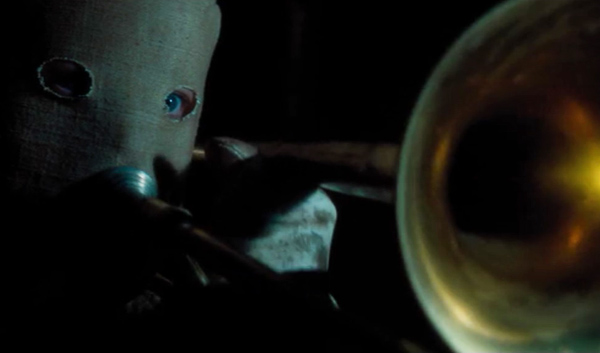
While this next comment isn’t necessarily a fair criticism, I have to say the kills, for a movie often considered a proto-slasher, were somewhat lacking. Much of it was death by gunshot, and the only really unique kill was with the trombone. Now, given this is based off true events, I understand how those comments could come across as tasteless, but there you go. The design of the killer, though, with the awesome hood, certainly stood out as a positive.

Many people have called this film somewhat dry, but I think that’s somewhat the point. The killer of the original crimes in the 1940’s was never caught (many people believe it to have been suspect Youell Swinney, but that’s certainly nowhere near proven or conclusive), which means that the movie doesn’t answer all the questions someone may want. It does, however, lead to the ending, which was just great.

Personally, as a fan of 70’s horror films and their often drier auras, I really like this one. I did when I first saw it, and that’s not changed. I think it’s a rather interesting movie, and while the tone is admittedly inconsistent at times, I definitely think this is a fine film, and probably made for a great drive-in experience.

8.5/10

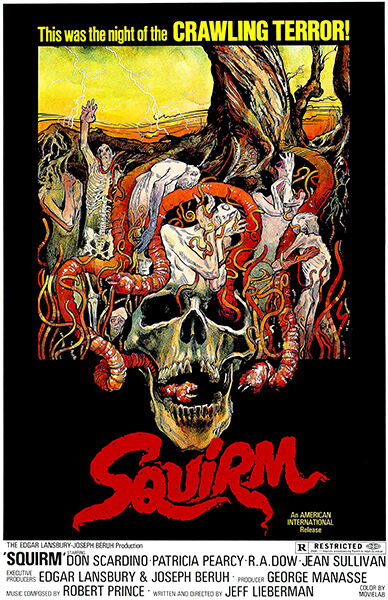
Squirm (1976)

Squirms

Directed by Jeff Lieberman [Other horror films: Blue Sunshine (1977), Doctor Franken (1980), Just Before Dawn (1981), Satan’s Little Helper (2004)]

With a surprisingly somber tone (though perhaps not too surprising, given both the decade it came out and the strong influence The Birds had on this), Squirm actually stands out pretty well despite the plot initially sounding somewhat silly. Worms don’t particularly bother me, but during some sequences near the end, even I felt a bit uncomfortable.

Honestly, I think a lot of things worked in this film’s favor, from the local Georgia setting (complete with some nice, southern small-town scenery), to the performances throughout, and even the special effects. What otherwise could have been a somewhat ridiculous killer worm tale instead felt at times rather depressing, so Squirm did something right.

Don Scardino makes for a somewhat interesting lead, as he doesn’t really have the typical physique of a hero, but I generally liked his character, and he seemed pretty efficient. Patricia Pearcy was also solid, despite the somewhat annoyingly strong southern accent (she was born in Texas, so it may not have been that much an exaggeration). She later appeared in a little-known slasher called Delusion (or The House Where Death Lives), and stood out there too, so it’s a shame that she’s not done much else.

Many of the others did well also, especially Jean Sullivan (her character added much of the rather dreary atmosphere to some of the scenes), R.A. Dow (this is his single role, which is amazing, as I thought he did damn good here), and Peter MacLean. Fran Higgins (who played Pearcy’s younger sister) wasn’t amazing, but as this was her sole role, and she doesn’t seem a traditional actress, I can excuse that.

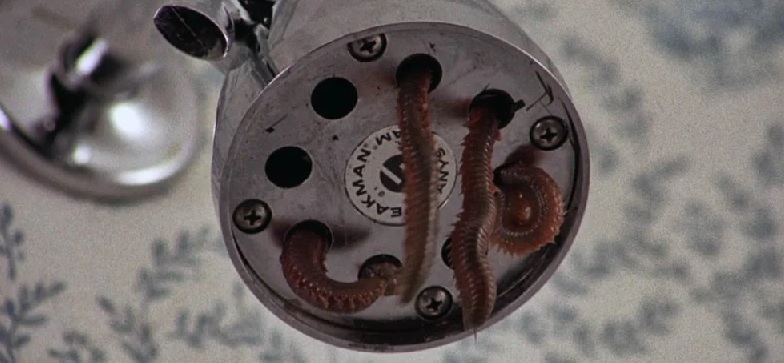
The worms themselves added a lot, of course. Like I said, I’m not particularly squeamish in regards to worms, but during the final 15 minutes when they started popping out everywhere (which was pretty well-done, in my opinion), they certainly grossed me out. It felt a little fake, just the sheer amount of them during some scenes, but given they were real worms, I’ll let some of that fly. When the worms were in one of the individual’s face, under the skin, that wasn’t pleasant either.

Another small thing I wanted to mention was a scene in which a tree falls onto a house, which was apparently done in a single shot with the actors/actresses actually present. They tied it into the movie, but given the strong damage the town had taken during the previous night’s storm, to me, it felt like a rather human element thrown in, something that seemed more real, and I rather liked that.

If Squirm has any faults, and it does, I’d say that they probably could have cut the film down a bit. The first half has a lot of running around, which, while adding a sort of ‘solving a mystery’ vibe, felt somewhat dry in the way that many 70’s movies tend to feel. I did appreciate the entirely serious way the story was handled, though perhaps the opening text was a bit overboard.

While director Jeff Lieberman didn’t do a lot for the genre, the movies he did direct (including this one, Blue Sunshine, which I’ve yet to see, Just Before Dawn, and Satan’s Little Helper) certainly had some flair. I think that this film has a lot going for it, and while it didn’t leave much an impression on me the first time I saw it (probably because it was during October, and remembering individual movies during that month is always hard), it definitely did this time.

8/10

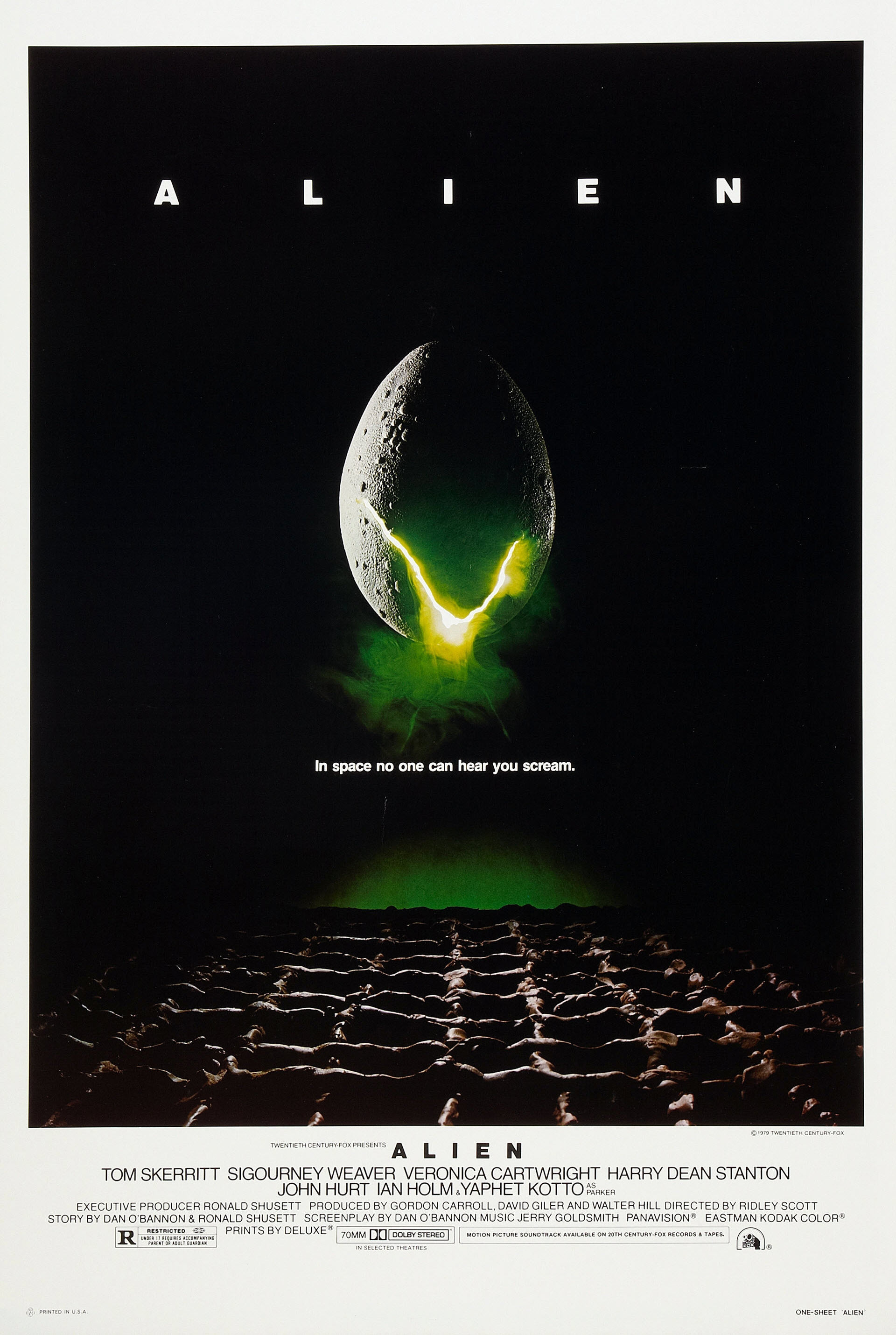
Alien (1979)

Alien

Directed by Ridley Scott [Other horror films: Hannibal (2001), Alien: Covenant (2017)]

Perhaps one of the most popular horror films of all time, Alien is a very solid movie, perfectly capable of satisfying most viewers with it’s suspenseful and well-acted story.

It is a wee bit sluggish toward the beginning, but the story is set up nicely, which additionally works out due to the almost-entirely solid cast of the film (the only performance I didn’t love was Veronica Cartwright). The story is appropriately claustrophobic at times, and due to some good lighting and camera-work, there are some damn suspenseful scenes.

Like I said, pretty much every cast-member is worth watching. Ian Holm’s performance is perhaps my favorite of the bunch (especially given his interesting character), but Yaphet Kotto does great, as does John Hurt, Tom Skerritt, and Harry Dean Stanton. Sigourney Weaver, despite being the cast-member with the least acting experience (if you discount Bolaji Badejo, who played the alien), gave the strongest performance, and became a character (Ripley) that is well-respected inside and outside the horror community.

Another reason why this movie really worked would be the special effects, which were amazing. The titular alien really did seem a nightmarish organism at certain times (especially during both the air duct scene and the finale), and even the alien planet the crew landed on possessed a creepy vibe to it. And the face-hugger, with the acidic blood? Fantastic stuff.

All this said, unlike other classics of the genre, Alien isn’t a movie I really grew up on. I’ve seen it only once before, and back then, I didn’t even care much for it. Now, having seen it a second time, I definitely got a lot more enjoyment out of the film, but it comes nowhere close to movies such as Halloween or A Nightmare on Elm Street to me.

Still, this is a classic of the genre, and while nowhere near the first science-fiction/horror hybrid (It! The Terror from Beyond Space from 1958 comes to mind, and Invasion of the Body Snatchers two years before it), it’s definitely one of the most memorable, and is certainly worth a watch.

8.5/10