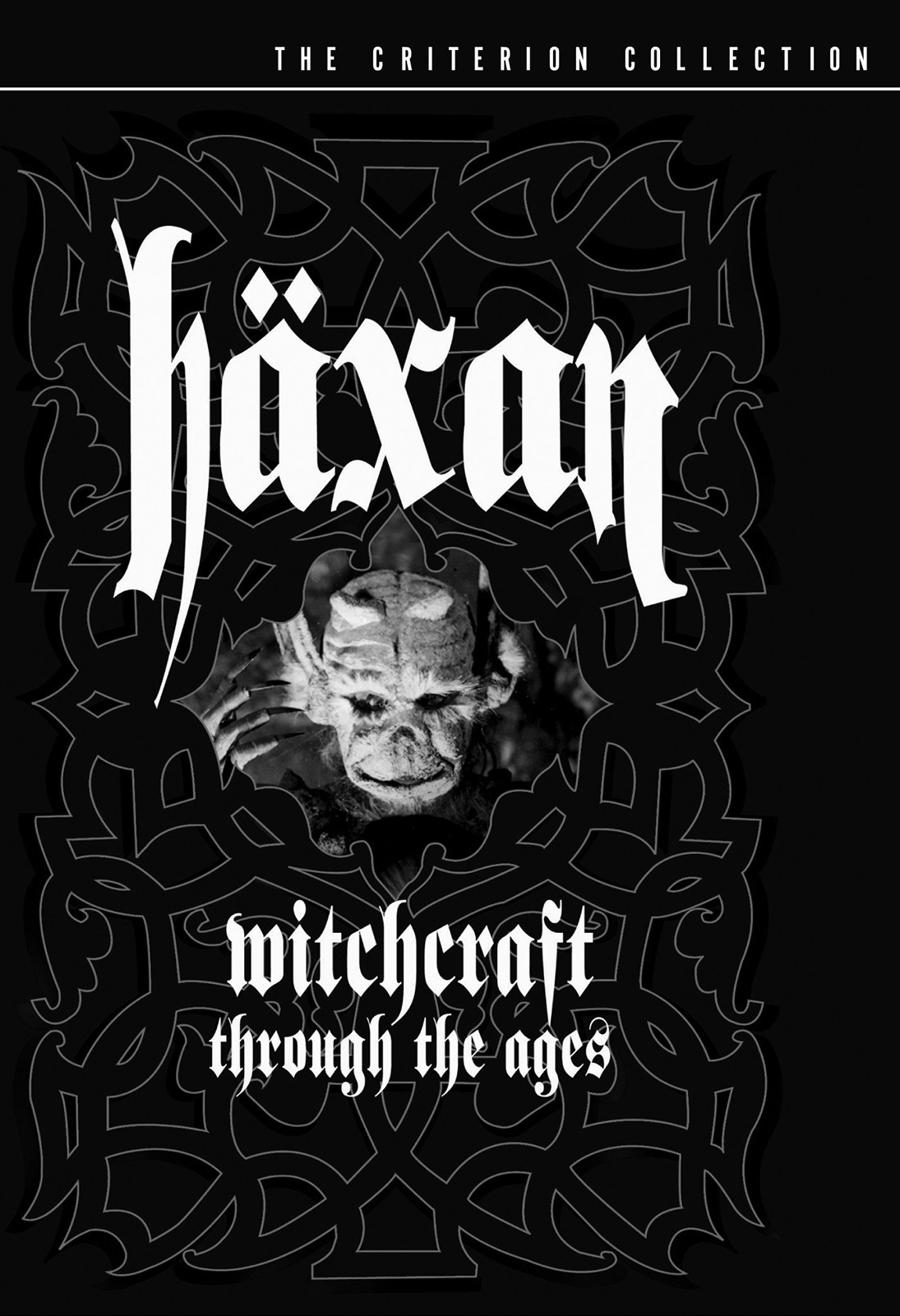
Häxan (1922)

Haxan

Directed by Benjamin Christensen [Other horror films: Hævnens Nat (1916), The Haunted House (1928), Seven Footprints to Satan (1929), House of Horror (1929)]

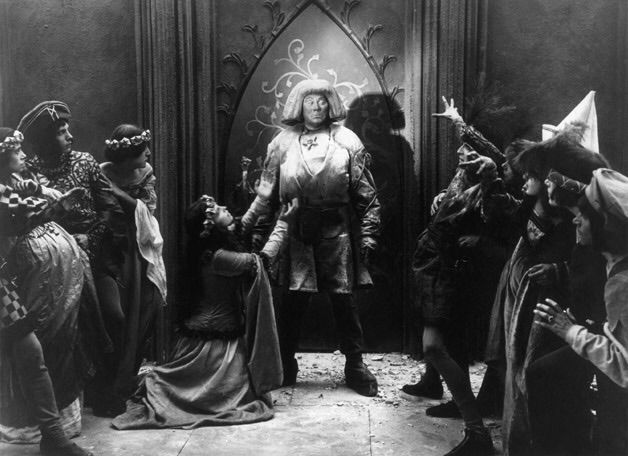
Häxan is a deeply interesting movie. Part documentary, part dramatized sequences of things from torturing the confession of witchcraft out of women and covens of old women crafting potions, Häxan isn’t a movie that you’re soon to forget.

Throughout the film, we’re given some information and historical context for the belief in the devil and, more specifically, witchcraft and the trials of those accused of such black magic. These portions, while to some may seem dry, are pretty interesting, especially from a modern-day perspective. At times, sure, you might wish they focused more on the dramatized sequences as opposed to a lecture, but I thought it was balanced decently well, a section on middle age torture devices standing out.

There’s some wild stuff in this movie, too. Perhaps not surprisingly gruesome given the subject matter, there’s all manner of torture and depictions of Hell through the film, and while the demons and Devil have a certain whimsical feel to them, there are still some horrific stuff being done.

Many of the special effects are pretty cool, especially a sequence showing witches flying over a small village. Some of the costumes are a bit ridiculous, but at the same time, it’s a Swedish movie from 1922, so I’m not inclined to judge that too harshly.

There are a few of the dramatized scenes that run a bit long, I think, without much interesting content, and the movie does run an hour and 45 minutes (at least the print I saw this time around), so at times it can feel like a bit much. Still, the visuals and effects the movie boasts certainly makes it worth a look.

Directed by Benjamin Christensen (who also directed the 1929 Seven Footprints to Satan, a movie I deeply enjoyed when last I saw it), Haxan is an interesting experience that, if you’re a fan of silent films, is very much worth looking into. While it’s arguable that it loses some of the power with rewatches, having seen the movie twice, perhaps three times now, it’s still a solid viewing.

8/10
Schloß Vogelöd (1921)

Haunted Castle

Directed by F.W. Murnau [Other horror films: Satanas (1920), Der Bucklige und die Tänzerin (1920), Der Januskopf (1920), Nosferatu, eine Symphonie des Grauens (1922), Faust: Eine deutsche Volkssage (1926)]

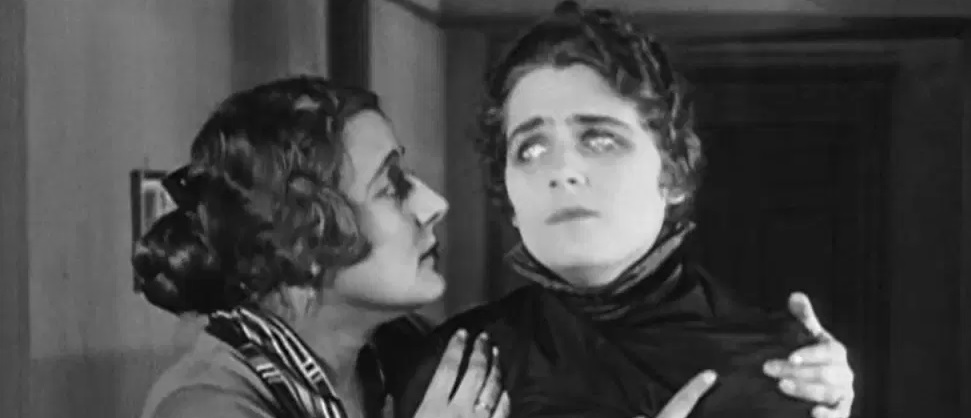
Directed by F.W. Murnau (who later directed both Nosferatu and Faust), Schloß Vogelöd (or The Haunted Castle) does a pretty good job at creating an interesting early mystery/horror hybrid, held back by it’s length and related, some of the scenes.

This compelling story, revolving around possible lies about a three-year old murder, has a lot of mystery and secrets, with a twist or two, throughout. It has a moderately dark atmosphere, and is overall a fun movie.

It does run on a bit longer than it really needs to, though. At an hour and 22 minutes, I can’t help but think that things dragged a bit through some of the acts (this movie is divided into five acts), especially the second and fourth. There’s a dream sequence that, while not overly lengthy, feels a bit out of place, and I could have done without that.

Arnold Korff (who played the host) and Paul Hartmann (Oetsch, who was accused of killing his brother) both do really well in their roles, and while no one in this movie does a bad job (aside from maybe Julius Falkenstein, and that may have just been because his character was more comedic relief than anything else), Korff and Hartmann stand out the most.

To many, if not most, The Haunted Castle would be a minor German movie, a silent mystery, of little interest. Personally, I think the story is very solid, and while many may not, I’ve seen this movie twice and still consider it a horror flick, albeit one very borderline. Regardless, though, if you like silent movies, or are willing to give one a shot, aside from the fact that this runs a bit long (though I would recommend the 1 hour and 22 minute version over the 55 minute, more common, cut), I think you’d enjoy this one.

7.5/10

Dr. Jekyll and Mr. Hyde (1920)

Dr Jekyll

Directed by John S. Robertson [Other horror films: N/A]

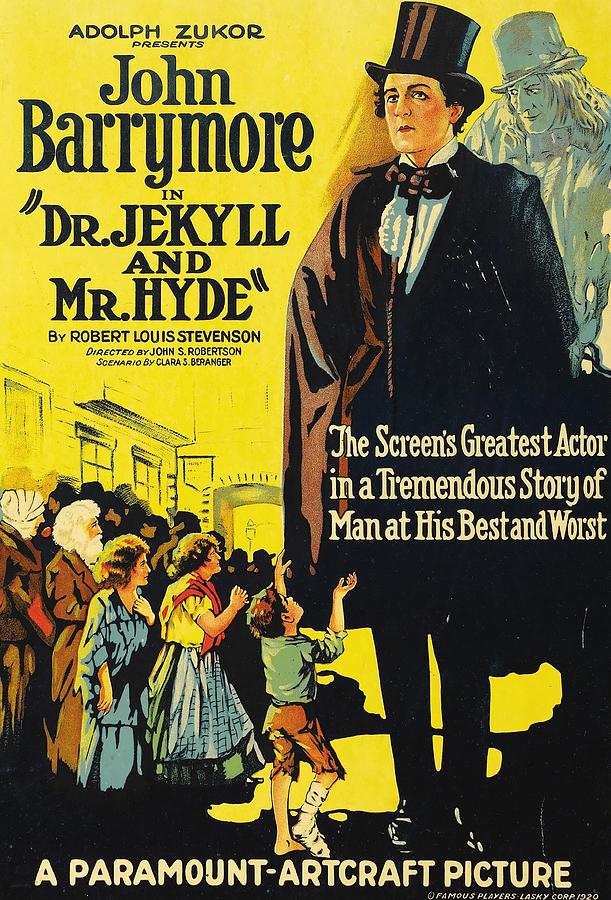
One of two adaptations of Stevenson’s classic 1886 novella from 1920 (the other being a 40-minute short featuring Sheldon Lewis), Dr. Jekyll and Mr. Hyde is another one of those classic silent horror flicks that many have probably heard of. The movie itself is perfectly fine, but before digging deeper, it’d only be fair to say that out of the classic horror/gothic novels (Strange Case of Dr. Jekyll and Mr. Hyde, Dracula, Frankenstein, among others), Dr. Jekyll and Mr. Hyde has always been one of the least captivating stories for me.

The movie works, by and large, due to a combination of John Barrymore’s solid duel performance as both Jekyll and Hyde (*gasp* yes, they’re the same person) and keeping things within a proper pace for most of the flick. Aesthetically, it’s enjoyable (though lacking much of the art that foreign films at the time, especially those from Germany, tended to add), and the story is fine, despite not being a favorite.

Which is really what holds this movie back from being great, to me. Oh, I don’t question it’s importance (not only is there a solid transformation scene, but there was a pretty creepy scene with what looked like a ghostly giant spider crawling on Jekyll), but I never, no matter the adaptation (be it this flick, which I’ve seen multiple times before, the 1931 version, or any post-2000’s versions I’ve ran across) found myself captivated by it.

The most common print of this movie is around 50 minutes (which is coincidentally the version I have on DVD), but I instead opted out to watch the full one hour and 21 minute version. It certainly gave more story, but again, as I’m not a giant fan of the story, it just felt eh.

Solid pacing and Barrymore’s acting aside, I don’t love this movie. Plenty of other silent horror flicks stand out above this one for me (and some utterly obscure as opposed to this well-known film), and while it’s worth at least one view, I’m not sure it’s worth much more, in my estimation. This is not a bad movie, but it wasn’t my thing, and I found it a bit below average.

6/10

Der Golem, wie er in die Welt kam (1920)

Golem

Directed by Paul Wegener [Other horror films: Der Golem (1914), Der Golem und die Tänzerin (1917)] & Carl Boese [Other horror films: N/A]

A true classic of the silent era, Der Golem, wie er in der Welt kam (a prequel to the lost 1914 Der Golem) is a great watch, even if you’re new to silent flicks. Oh, and the title, in English, is The Golem: How He Came Into the World, should you be curious.

The one caveat is that if you do seek this movie out, make sure you find a version with a score. I’ve seen this twice before, both times with a score, but for this most recent rewatch, I was watching a truly silent version, which I don’t like doing and can negatively impact how I see the film. That said, I will do my best to not let that interfere.

The setting, a slum that the Jewish population are forced to dwell in, was captivating, and showed some inklings of the impressionist style that Das Cabinet des Dr. Caligari is better known for. Homes made of stone, the people wearing little more than robes, really showed the desperate situation the Jews found themselves in, and when they’re told they’re to be expelled by the emperor, it really helps show why one of them would go to the lengths of crafting a Golem.

Which is somewhat ironic, as one of the reasons they’re being expelled is due to their practice of dark magic, which, by creating a Golem, sort of proves the emperor’s point. But that flawed logic aside, I do get where they’re coming from.

Not much of the cast really stood out aside from Albert Steinruck, Paul Wegener, and Lyda Salmonova. Really, the standout is Wegener’s performance as the titular Golem, a very Frankenstein-monster esque creation. He didn’t express all that much a range of emotion, but he did have, at times, a very threatening presence (not all that far removed from Frankstein’s monster from the 1931 classic).

There’s many prints of this flick floating about. This time around, I saw the 1 hour and 42 minute version, which, at times, does occasionally feel as though it’s dragging. Still, there’s shorter versions out there if you want a more digestible taste of this flick. Der Golem, wie er in der Welt kam isn’t my favorite silent horror flick, but it is a classic for a reason, and I’d highly recommend a watch at least once in your life.

7.5/10

Das Cabinet des Dr. Caligari (1920)

Cabinet of Dr. Caligari

Directed by Robert Wiene [Other horror films: Furcht (1917), Genuine (1920), Orlacs Hände (1924)]

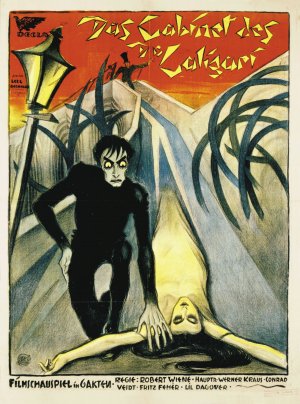
This film, generally known as The Cabinet of Dr. Caligari, is a true classic of horror cinema. True, silent films can at times be hard to get into – I perfectly understand that. And this movie’s not perfect.

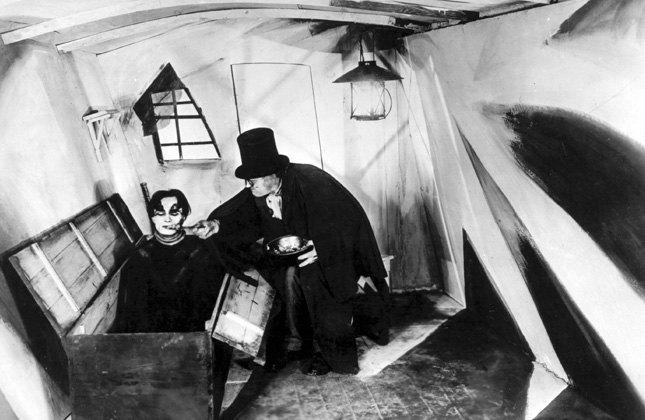
But here’s what it does have: 1) An interesting plot, which brings to mind films such as Murders in the Rue Morgue, 2) Impressionist set pieces, which look somewhat tacky, but also pretty cool from today’s perspective. 3) You have some good actors, especially Werner Krauss (who plays a fantastic Caligari) and Hans Heinrich von Twardowski (who looked surprisingly like Matt Smith’s incarnation of The Doctor). 4) Lastly, you, believe it or not, have some plot twists, which come as a pleasant surprise, especially from a movie this old.

Germany used to be one of the most prolific and well-regarded countries insofar as producing horror films at the time (this film, Nosferatu from 1922 and Der Golem, wie er in die Welt kam from 1920, are the three pillars of horror in the early 1920’s, as far as I’m concerned). Many of the existing prints out there are pretty bad – blurry, scratched up, what-have-you, but I found a really clean print, in it’s natural German with English subtitles. Only problem is it had no score. Oh well, you can’t have everything. A very good movie, and definitely one of the better silent horror films out there.

8/10