Victor Frankenstein (1977)

Directed by Calvin Floyd [Other horror films: Vem var Dracula? (1974), The Sleep of Death (1980)]

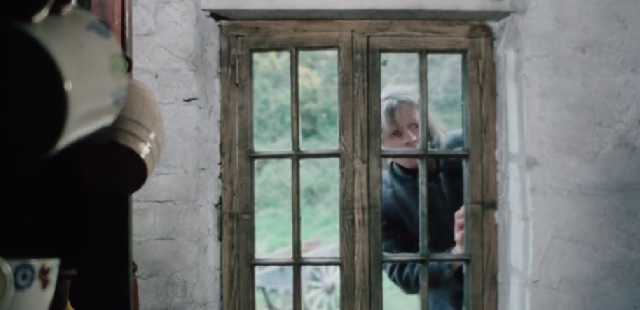
More than anything, Victor Frankenstein feels like a television movie, portraying the events of Mary Shelly’s novel as accurately as possible. Certainly that’s an admirable goal, but it’s also true that the movie just feels a tad too stagey to make a great impact.

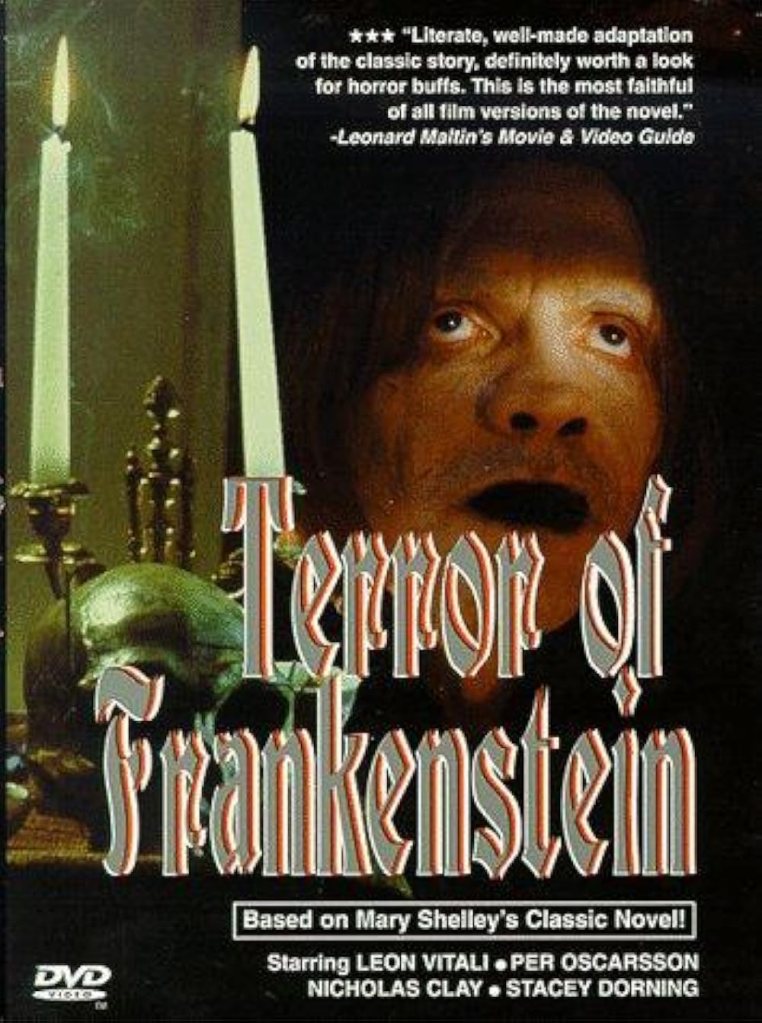
I should note, though, that when I say Victor Frankenstein (or, as it’s sometimes better known, Terror of Frankenstein) attempts to accurately follow the original story, I’ve not actually read the original story. Bits and pieces, perhaps, but when it comes to early horror or gothic literature, I’m woefully ill-equipped. Still, I’ve heard that this is among one of the more accurate movies out there, and I’ll take their words for it.

If your only experience with Frankenstein is the 1931 Universal classic, or perhaps the 1957 Hammer edition, then I think you’ll find this quite a bit different. The structure is largely the same – a young man attempts to discover the secret of life, and his experiments go awry – but where the differences develop become clear in the Creature.

Here, Frankenstein’s Monster is capable of developed speech. He can hold conversations, hold awareness of his surroundings, and even plot revenge. In fact, there’s a sequence in the film where the Creature is explaining to Victor Frankenstein about his experiences after being brought to life. After the story (which is told in a 15 minutes or so flashback), he tells Frankenstein that he wants him to make him a woman, so he won’t be so lonely.

And here’s the kicker – the Creature straight-up blackmails Frankenstein. If Frankenstein doesn’t consent to make him a mate, the Creature says that he’ll kill all of Frankenstein’s family and friends, one-by-one. That is a promise that he holds onto pretty well, too.

So what we have is a Creature who generally seems pretty human-like. Sure, he has black lips and a dead face, but he can hold conversations, can plot revenge, can blackmail, and can generally tend to his needs. In fact, toward the end, he even gets a bit philosophical, in what has to be among the best lines of the film (“When the world was new to me, I would have wept to die. Now death is my only consolation, because in death, I cease to be a monster and a man.”)

Per Oscarsson (Traumstadt, The Night Visitor, The Sleep of Death) plays a fascinating version of the Creature. It’s not something I’m used to, but I can appreciate it here. Leon Vitali does great as Victor Frankenstein, an amoral young man far more interested in discovery than his love interest, played by Stacy Dorning. I also liked Nicholas Clay (The Night Digger) here, especially toward the beginning, where his friendship with Frankenstein was most fully on display.

In terms of scares, it probably doesn’t surprise many to learn that they’re somewhat scarce and spread out, when they do make an appearance. We see a young boy killed, but perhaps the best sequence is a somewhat tense scene focusing on a mountain climber who runs amok of the Creature.

I highly doubt Victor Frankenstein (or Terror of Frankenstein, should you prefer) will be long in my memory as a movie, but as a rendition of the Creature, I do think that this film will make a lasting impression. It wasn’t exactly a fun time, but I enjoyed how the story was framed. Still, it felt quite stagey, and while impressive on some levels, and certainly worth a look if you’re into the original novel, it wasn’t entirely my thing.

6/10

Körkarlen (1921)

Directed by Victor Sjöström [Other horror films: The Wind (1928)]

I won’t mince words – it’s hard for me, personally, to argue that this Swedish classic is a horror film. No doubt it’s a great film, but horror? That’s not an easy case to make for me, but luckily, I have liberal definitions of the genre, and while this might be straddling the line, ultimately I think it can fit.

Obviously, as anyone who has seen The Phantom Carriage (the title it’s best known under) knows, it’s primarily a morality tale. Many films we call horror from the 1910’s generally were – look at Der Student von Prag (the dangers of making deals with the Devil) and The Avenging Conscience (or, as the subtitle states clearly, Thou Shalt Not Murder). Both of those have clearer horror elements than this one has, and were it not for a scene in which a drunk man, in anger, was using an ax to chop a door down to get to his wife, I might not even personally count it.

Whether or not it counts in the genre though is a discussion I don’t want to get deep into. I’m a firm believer that films are subjective – if someone watches this film and sees it as a horror film, that’s not my business, and same as if someone watches it and sees only a supernatural melodrama. I personally think it leans horror, and I can only base the movies I add to this blog based on my personal feelings, so there you go.

Now, I did have some issues with the message of this movie (which, on an interesting sidenote, is apparently based off a novel by Selma Lagerlöf to warn of the dangers of consumption, the term used for tuberculosis at the time), and if you know some of my leanings, you may already know them. A point of the film is that those who are wasting their lives drinking need to repent (Jesus is the only option given – I wonder, if people repent to Allah, if that would count), and seek salvation.

I won’t harp on this. I know it was a different time, and to this day, the majority of the people worldwide believe in some God or gods. I don’t – to my knowledge, there’s no logical reason to accept the belief in a deity of any kind, nor if one did exist, would we need to seek “salvation.” The fact that I’m an atheist, and have been for most of my life, doesn’t mean I don’t see the beauty of the film, nor the emotional impact toward the finale, but it does turn me sour to some of what the film was pushing.

Regardless of that, I can’t deny the narrative was beautifully-structured. Using flashbacks within flashbacks and stories within flashbacks, this is a bit more complicated than one first might expect when they notice the film came out in 1921. It’s definitely a joy to see, and though the film is around an hour and 50 minutes, you’d be surprised by how quick the time goes by, a testament to the engaging story.

Among the most important performances are those given by Victor Sjöström, Tore Svennberg, and Astrid Holm. Sjöström (who also directed the film) had a fantastic emotional range, and did an amazing job playing a character who is so often despicable. On the flip-side, we have Astrid Holm, who was probably one of the most angelic characters seen in film. Tore Svennberg looks good as the driver of the phantom carriage, and his performance was solid.

The base idea around the phantom carriage – a carriage that goes around to pick up the souls of the deceased – was wonderfully-realized. Using double exposures, the spirits in the film just look amazing, and I’d put it against any modern-day special effects. It’s just damn impressive, and holds up to this day.

Though the horror within Körkarlen is limited, it’s still a classic worth seeing, and given that Sweden has never been one of the go-to countries for foreign horror (Germany, France, the United Kingdom, and Italy are hard to beat), horror fans should be happy with what they get. Classic movie fans should be overjoyed – The Phantom Carriage, despite personal misgivings with elements of the message, is a well-made and quite beautiful film, one very much worth experiencing.

8.5/10

Sea Fever (2019)

Directed by Neasa Hardiman [Other horror films: N/A]

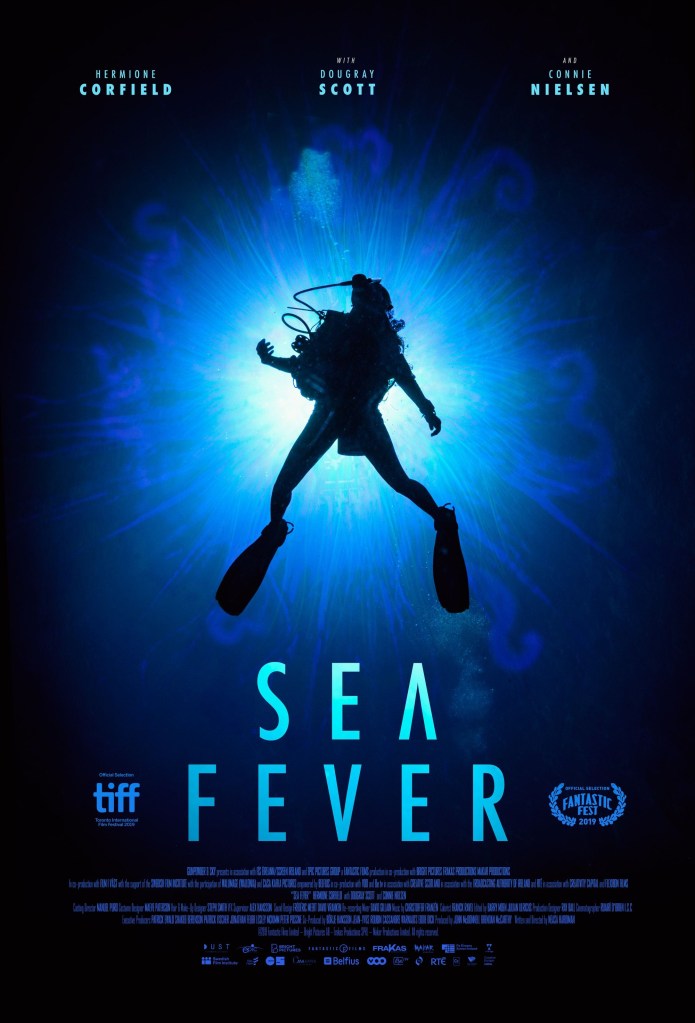
I forget when I first heard about Sea Fever, but from the beginning, I was intrigued. It was partially the poster, partially the title font, and of course, the plot sounded like it had potential. Well, the movie isn’t amazing, but I did find it quite decent, and personally, I found a mostly solid movie.

Never having heard of any of the actors or actresses here, I was impressed by just how quality some of them were, especially Hermione Corfield. She may be younger than me by a month and a half, but boy, what a stellar performance. I actually rather liked her anti-social character, and got a kick out of her being thrown in a situation where she had to interact with others, despite her utter disinterest in doing so.

Of course, most of the cast is strong – though I don’t know the names, the performances by individuals such as Jack Hickey, Dougray Scott, Connie Nielsen, Ardalan Esmaili, and Olwen Fouéré were all worth seeing. It’s also nice that we got a decent amount of personality from each of these characters, which isn’t always a given with movies featuring a smaller cast.

It is true that the story itself isn’t altogether that amazing, but I do think aspects here are there are well-done, such as Corfield’s character diving beneath the trawler and seeing quite a terrifying creature (one of only two full appearances, which is something else I appreciated – they didn’t overdo it), or the argument her character gets in with the others about quarantining themselves off.

As far as violence goes, there’s really only one scene that’s worth talking about, but I think it’s quite a great scene. Of course, any scene that has eyes bursting has to be quality, so I think I’ll leave it at that.

Oh, and during the ending credits, they played a totally thematically appropriate song titled “Shallows” by Daughter. I know Daughter only from a Sound Melody remix of the song “Medicine,” so I’m not really familiar with their untouched music, but this song was a fantastic way to close out the movie, and it’s somber and dark sound fit really well with the conclusion here.

For a movie that doesn’t possess a whole lot of originality, Sea Fever had a strong presence. Partially it’s from the fleshed out characters, and partially it’s due to really nice cinematography and a unique setting, and though it’s not a great movie, and maybe you can see the ending coming long before the movie ends, it was still a pretty fun ride, and I’d suggest giving it a chance if it sounds like it could be your type of thing.

7.5/10

Midsommar (2019)

Directed by Ari Aster [Other horror films: Hereditary (2018), Beau Is Afraid (2023)]

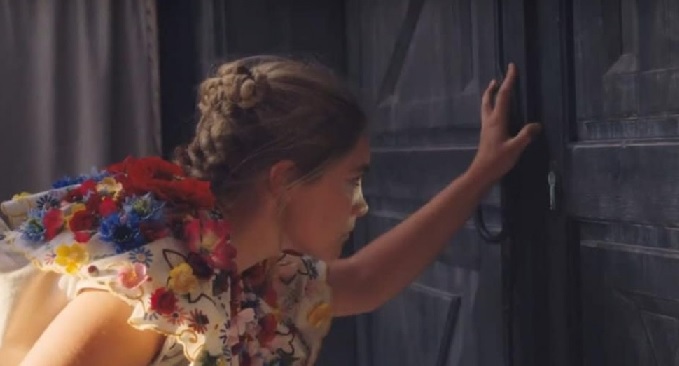
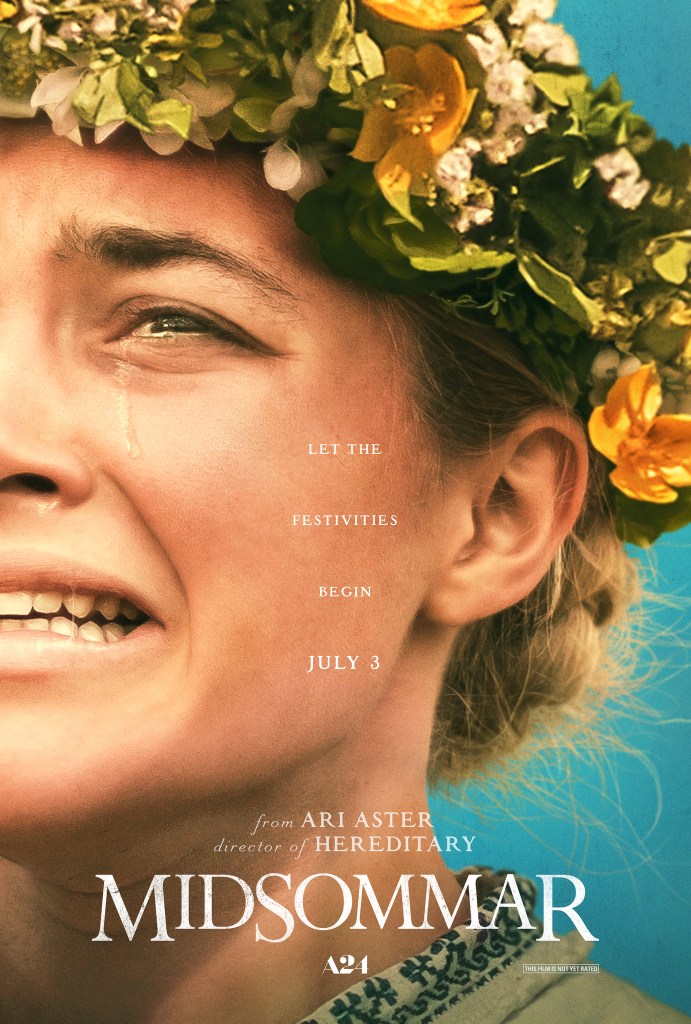
I went into Midsommar with admittedly high expectations. I wasn’t that much a fan of Hereditary (and just to get this out of the way, I definitely think Midsommar’s a better movie), but from the get-go, the trailer for this one intrigued me, and though the movie is almost more an experience than just a film, it’s certainly an experience that I’ll remember.

There’s a longer version out there (one that runs at two hours and 52 minutes), but I just saw the two hour and 30 minute version. Just two hours and 30 minutes. Hahaha, yeah, this movie was a long one, and I know that some people thought it wasn’t warranted by the content, but I think the increasingly uneasy feel that the characters get from their surroundings and mysterious circumstances help increase enjoyment.

Florence Pugh was put through the wringer in this one and gave a fantastically emotional performance (that shocking opening sequence was more than enough, but the movie kept throwing stones at her character). As interesting a character as Pugh’s Dani was, though, I personally think that William Jackson Harper’s Josh was a very stellar character himself. His already-existing knowledge was interesting (him asking if it was going to be a real ättestupa, and then getting all quiet, added a lot of dread). To be sure, his character made a rather idiotic mistake, but I think he’d have made an interesting focal point.

Both Will Poulter (who I recognized from We’re the Millers – talk about a different type of movie) and Jack Reynor were dicks in their own way, Poulter being the most annoying, but Reynor’s character being one of the worst. I can’t say that I don’t feel a bit bad for him come the ending, but the way he treats Dani throughout the film was contemptible. Vilhelm Blomgren as Pelle was another unique character, and was one of the kindest to Dani, so at least that was nice.

Being Ari Aster, there was a definite beauty in the carnage. During the tense ättestupa ceremony, which was probably the earliest indication that something was definitely wrong there (if you can ignore the somewhat grisly banner indicating how a woman can get a man to fall for her). It’s a very tense scene, each second longer squeezing out unease, and it’s no surprise when the two individuals jump, or the gory conclusions.

And no doubt there are other disturbing scenes of violence, one that especially struck me as brutal, being an individual captive who long should have been dead, instead being ritualistically dismembered yet still on the verge of life. The maypole dance was strangely enchanting, the psychedelic drugs definitely hyping up the uncomfortable aura, all of which finishes off in the mysterious triangular structure come the brutal finale (and the composition during the finale – just beautiful).

With the drawn-out nature of Midsommar, not to mention the already stylistic feel of the film, it being Aster’s work, Midsommar isn’t an easy movie to digest or one that I suspect many would quickly watch a second time. It’s a long movie no matter which version you watch, and it’s an uneasy and unforgiving one. I definitely found it a strong addition to the genre, and if anyone’s a fan of The Wicker Man or perhaps Apostle, Midsommar is not a movie that should be slept on.

8/10

This is one of the films covered on Fight Evil’s podcast. Listen below as Chucky (@ChuckyFE) and I discuss the film.

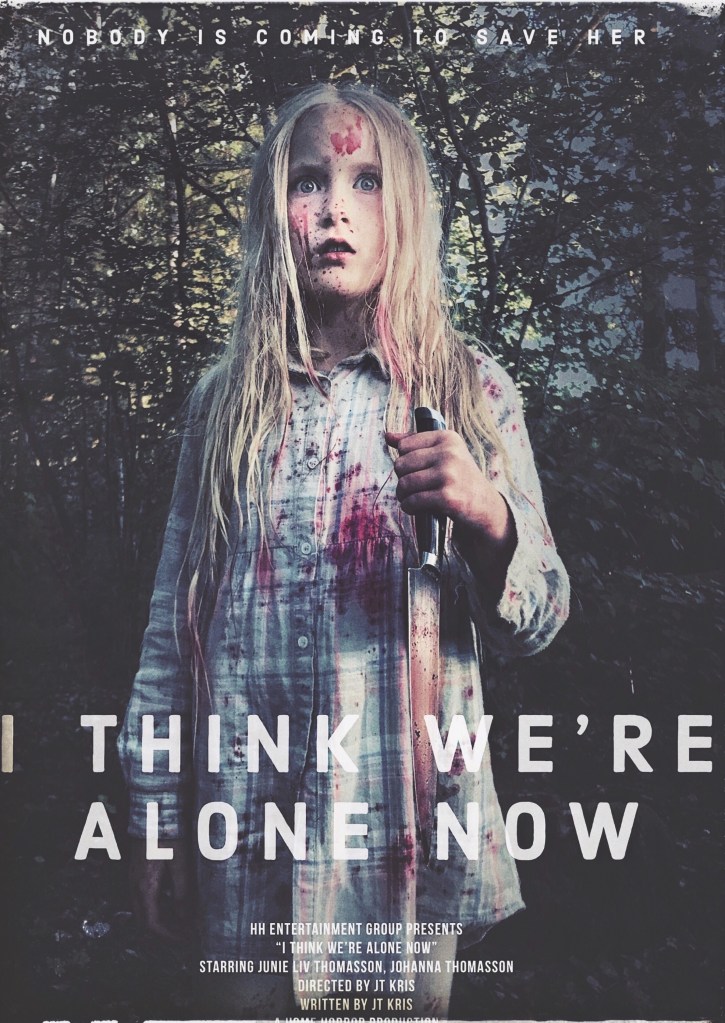
I Think We’re Alone Now (2020)

Directed by Jt Kris [Other horror films: N/A]

This is perhaps one of the most mind-numbingly horrible experiences I have had in my life. I mean, I am no stranger whatsoever when it comes to amateur horror movies, but this has got to take the cake, and every other imaginable pastry.

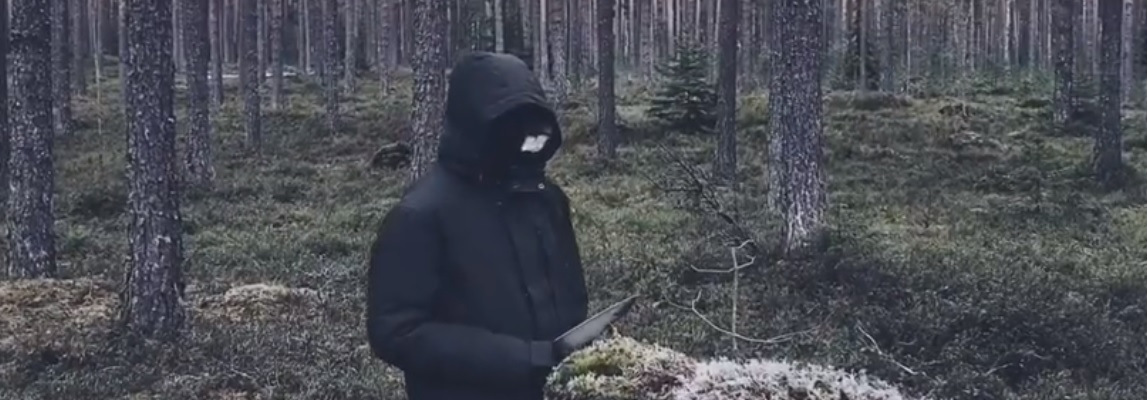
The plot of this one is simple – a mother and daughter are driving on a forested road. There’s a car on the side of the road, so the mother gets out to investigate. The mother get her throat slit by a mysterious masked man. The man then proceeds to chase the little girl. And chase her. And chase her.

I just took a deep breath, because I’m already frustrated. Most of this movie is a little girl running through a forest, sometimes finding a new place to hide (be it the ruins of a cabin or an old barn), and then the mysterious assailant finding her. The girl sometimes screams, and then runs away again. And the guy finds her. Sometimes there’s another person around (a man walking his dog, an old woman driving by, some drunk in a trailer), but these are all distractions, as none of them amount to anything, and the man is back to chasing the girl.

We never find out who this man is. Toward the end, the little girl pulls his mask off and screams, but she’s probably just screaming because that’s what she does for a good portion of the film. Truth be told, I felt bad for this girl (Junie Liv Thomasson), because while she’s not a great child actress (she looks into the camera a handful of times), she still has to submerge herself in water and sustain herself off stale Oreos.

There’s almost no dialogue in this movie. That might be expected, but there you go. Never once does the little girl say “Why are you doing this” or anything along those lines, which I can understand, as she saw him kill her mother, but with almost no dialogue, this movie is just tedious beyond all words.

Oh, and the audio isn’t really in sync. Whether it’s a scene of the guy pounding on a car door with the audio of the door being hit off from when the physical contact is made to the little dialogue there is being delayed a noticeable second from when it’s said, this was amateur hour all day long (so I guess 24 amateur hours).

Camerawork too was something problematic. I don’t have the vocabulary to really explain what’s wrong with it, but it’s not good. There are these little cuts that happen quite often, some random dimming; I don’t even know, it’s just all around awful.

And to top all of this off, this movie was an hour and six minutes. Now, 66 minutes might not sound like that long of a movie, but this definitely feels it’s length and more. Like I said, large swaths of this film have zero dialogue, and the amateur cinematography and out-of-sync audio will just give you a headache, provided you didn’t have one already.

What I can give this movie props for is the music. No, not the movie’s score, which was generally awful, but the songs that pop up in the film. Early on, when I thought this might have potential, A Flock of Seagulls’ “I Ran (So Far Away)” played for a bit. Also, while I’m not a giant fan of the song, we also heard a little “Sugar Sugar” by The Archies.

Most of all, though, I Think We’re Alone Now utilizes the synthpop song “I Think We’re Alone Now” by Tiffany multiple times throughout the film. The killer listens to it in his car as he’s driving after the little girl. Now, I don’t know the song (it’s apparently a cover of Tommy James and the Shondells’ 1967 hit), but I enjoy 80’s music (why do you think I gave The Strangers: Prey at Night such a high rating?), so it was catchy enough to at least give me something.

Otherwise, I don’t think I’ve ever seen a movie as amateurly painful as this turned out to be. I mean, this was bad. You think you’ve seen low-budget horror before, and I know I certainly have, but if this isn’t one of the most amateur movies I’ve ever seen in my life, I’ll eat my socks and name myself Jim-Bob.

If you catch this free on Amazon Prime, I’m sorry.

0.5/10

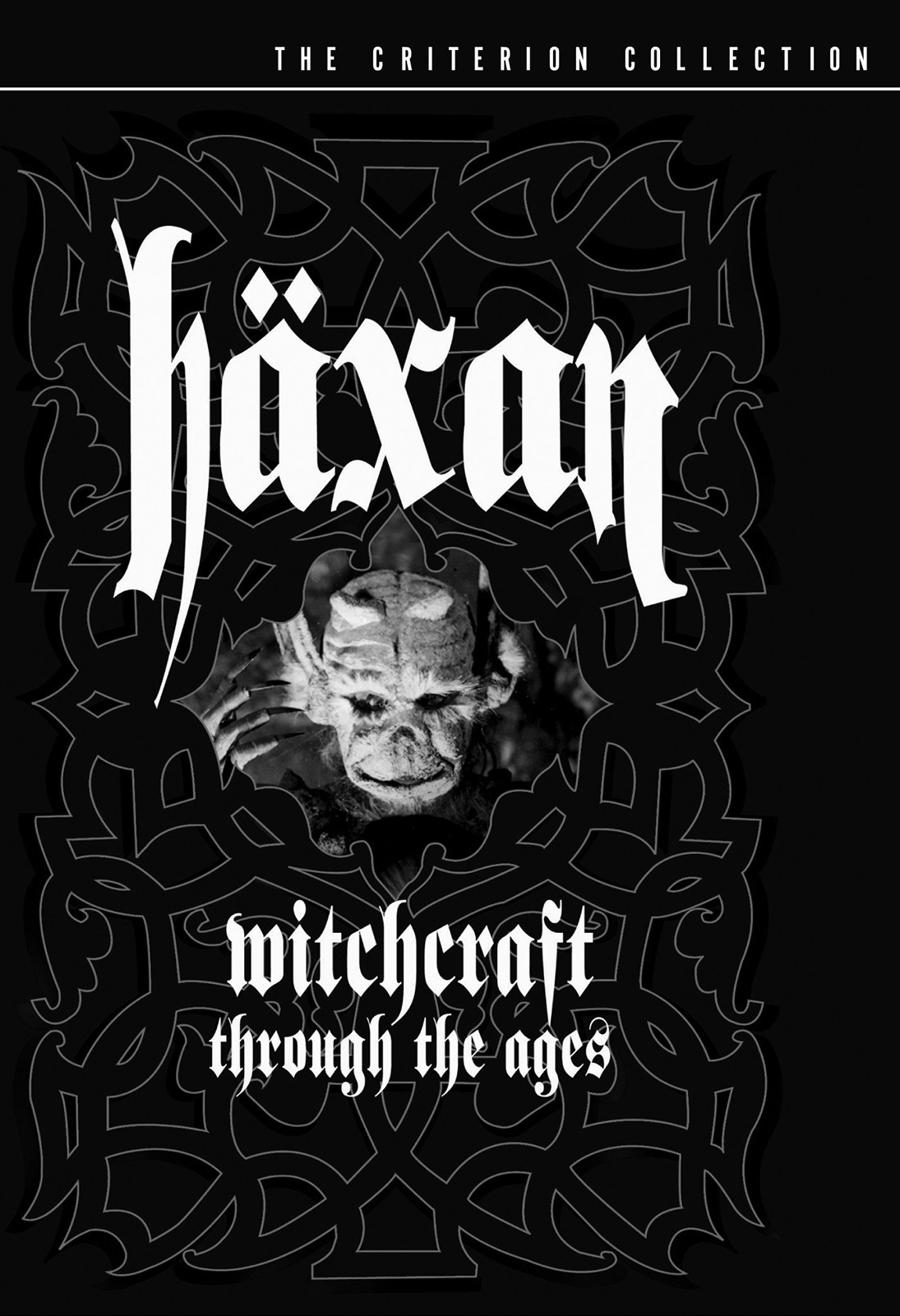
Häxan (1922)

Haxan

Directed by Benjamin Christensen [Other horror films: Hævnens Nat (1916), The Haunted House (1928), Seven Footprints to Satan (1929), House of Horror (1929)]

Häxan is a deeply interesting movie. Part documentary, part dramatized sequences of things from torturing the confession of witchcraft out of women and covens of old women crafting potions, Häxan isn’t a movie that you’re soon to forget.

Throughout the film, we’re given some information and historical context for the belief in the devil and, more specifically, witchcraft and the trials of those accused of such black magic. These portions, while to some may seem dry, are pretty interesting, especially from a modern-day perspective. At times, sure, you might wish they focused more on the dramatized sequences as opposed to a lecture, but I thought it was balanced decently well, a section on middle age torture devices standing out.

There’s some wild stuff in this movie, too. Perhaps not surprisingly gruesome given the subject matter, there’s all manner of torture and depictions of Hell through the film, and while the demons and Devil have a certain whimsical feel to them, there are still some horrific stuff being done.

Many of the special effects are pretty cool, especially a sequence showing witches flying over a small village. Some of the costumes are a bit ridiculous, but at the same time, it’s a Swedish movie from 1922, so I’m not inclined to judge that too harshly.

There are a few of the dramatized scenes that run a bit long, I think, without much interesting content, and the movie does run an hour and 45 minutes (at least the print I saw this time around), so at times it can feel like a bit much. Still, the visuals and effects the movie boasts certainly makes it worth a look.

Directed by Benjamin Christensen (who also directed the 1929 Seven Footprints to Satan, a movie I deeply enjoyed when last I saw it), Haxan is an interesting experience that, if you’re a fan of silent films, is very much worth looking into. While it’s arguable that it loses some of the power with rewatches, having seen the movie twice, perhaps three times now, it’s still a solid viewing.

8/10

Vargtimmen (1968)

Vargtimmen

Directed by Ingmar Bergman [Other horror films: Jungfrukällan (1960)]

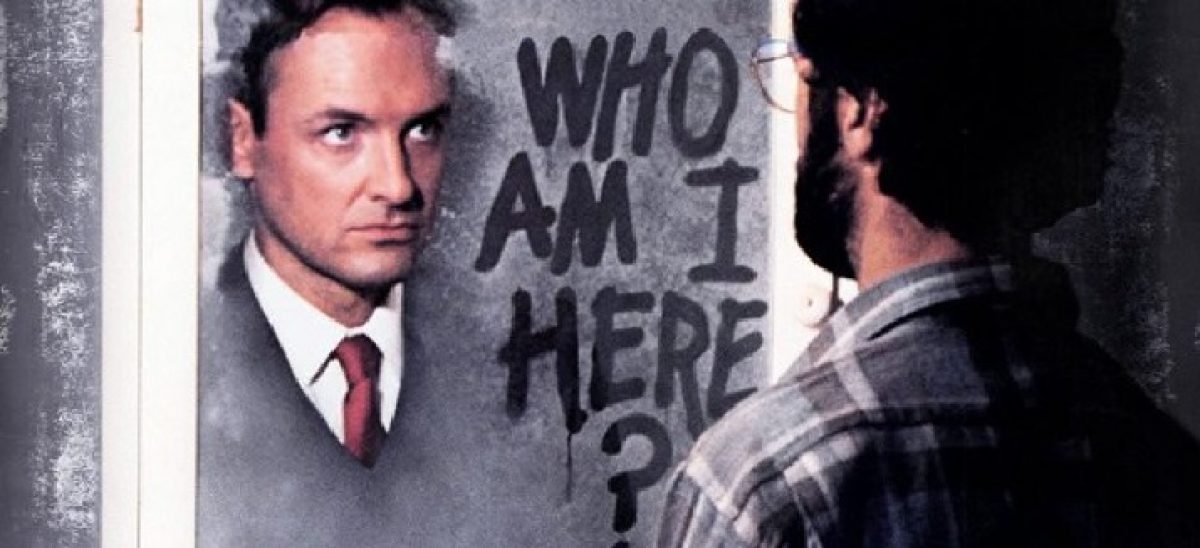
I’m not a big fan of experimental films. Antichrist was a film I rather disliked. Most of what I’ve seen from Cronenberg and Lynch, not to mention Tsukamoto, I’ve not particularly enjoyed. The same goes for this Ingmar Bergman classic. When I first saw it, I just had a massive headache afterward. This time around, I’ve grown to appreciate a bit more what it was going for, and they did that job well, but I still rather would have watched something a bit more coherent.

The story is simple: A man and his wife go to their small cottage on an island, and the man slowly begins losing it. He begins seeing bizarre people and experiencing intense paranoia. And he snaps.

Like I said, this movie does a very good job at showing us the bizarre spirits haunting our main character. Many of the scenes, while not outright terrifying, have an ominous, creepy atmosphere about them. And I truly do appreciate that.

What I cannot abide, however, are the random scenes cobbled up, not to mention the dialogue, much of which doesn’t make sense. Indeed, such is a well-done portrayal of losing it on an isolated island, but it’s not something I enjoy at all. On a positive note, I did enjoy how this movie was put together – the wife is being interviewed about her husband and her experience on the island, and so the majority of the story takes place as a flashback. It gave a pretty documentary feel to it, and I thought it came across as sort of cool.

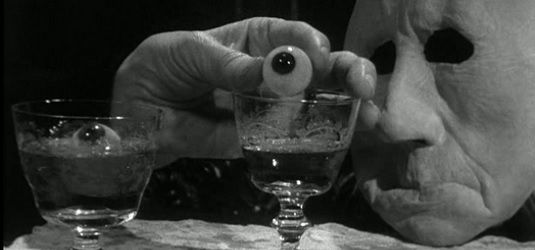
That said, this isn’t a film I enjoy, and while there are the occasional cool scenes (a man removing his eyes, for instance), it doesn’t strike me as worth it. Despite being a Swedish classic, Vargtimmen (or Hour of the Wolf), probably isn’t something I’d soon watch again.

5.5/10