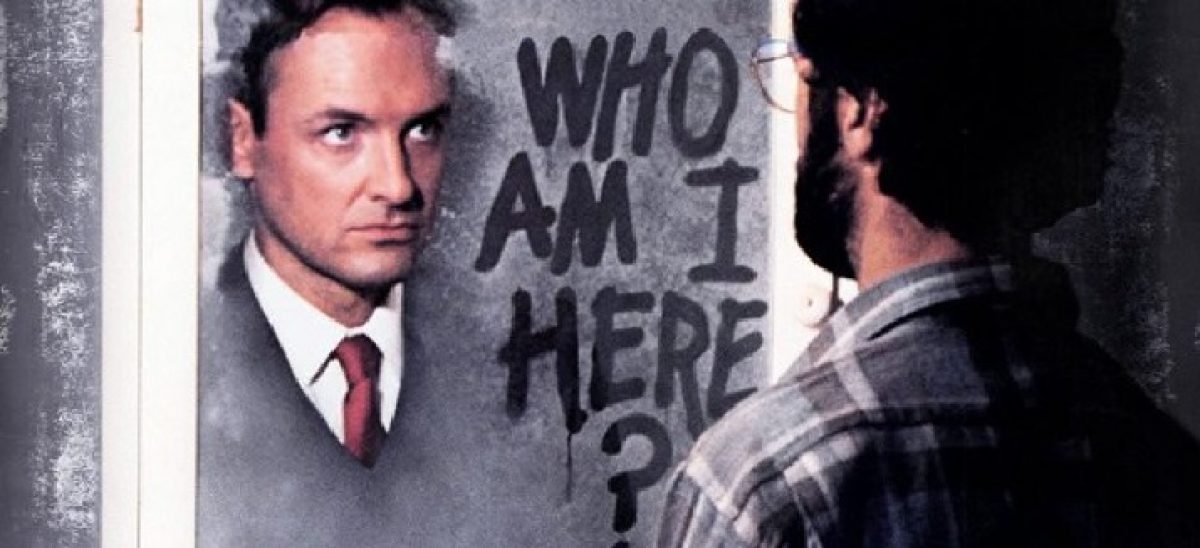


Directed by Victor Sjöström [Other horror films: The Wind (1928)]
I won’t mince words – it’s hard for me, personally, to argue that this Swedish classic is a horror film. No doubt it’s a great film, but horror? That’s not an easy case to make for me, but luckily, I have liberal definitions of the genre, and while this might be straddling the line, ultimately I think it can fit.
Obviously, as anyone who has seen The Phantom Carriage (the title it’s best known under) knows, it’s primarily a morality tale. Many films we call horror from the 1910’s generally were – look at Der Student von Prag (the dangers of making deals with the Devil) and The Avenging Conscience (or, as the subtitle states clearly, Thou Shalt Not Murder). Both of those have clearer horror elements than this one has, and were it not for a scene in which a drunk man, in anger, was using an ax to chop a door down to get to his wife, I might not even personally count it.
Whether or not it counts in the genre though is a discussion I don’t want to get deep into. I’m a firm believer that films are subjective – if someone watches this film and sees it as a horror film, that’s not my business, and same as if someone watches it and sees only a supernatural melodrama. I personally think it leans horror, and I can only base the movies I add to this blog based on my personal feelings, so there you go.
Now, I did have some issues with the message of this movie (which, on an interesting sidenote, is apparently based off a novel by Selma Lagerlöf to warn of the dangers of consumption, the term used for tuberculosis at the time), and if you know some of my leanings, you may already know them. A point of the film is that those who are wasting their lives drinking need to repent (Jesus is the only option given – I wonder, if people repent to Allah, if that would count), and seek salvation.
I won’t harp on this. I know it was a different time, and to this day, the majority of the people worldwide believe in some God or gods. I don’t – to my knowledge, there’s no logical reason to accept the belief in a deity of any kind, nor if one did exist, would we need to seek “salvation.” The fact that I’m an atheist, and have been for most of my life, doesn’t mean I don’t see the beauty of the film, nor the emotional impact toward the finale, but it does turn me sour to some of what the film was pushing.
Regardless of that, I can’t deny the narrative was beautifully-structured. Using flashbacks within flashbacks and stories within flashbacks, this is a bit more complicated than one first might expect when they notice the film came out in 1921. It’s definitely a joy to see, and though the film is around an hour and 50 minutes, you’d be surprised by how quick the time goes by, a testament to the engaging story.
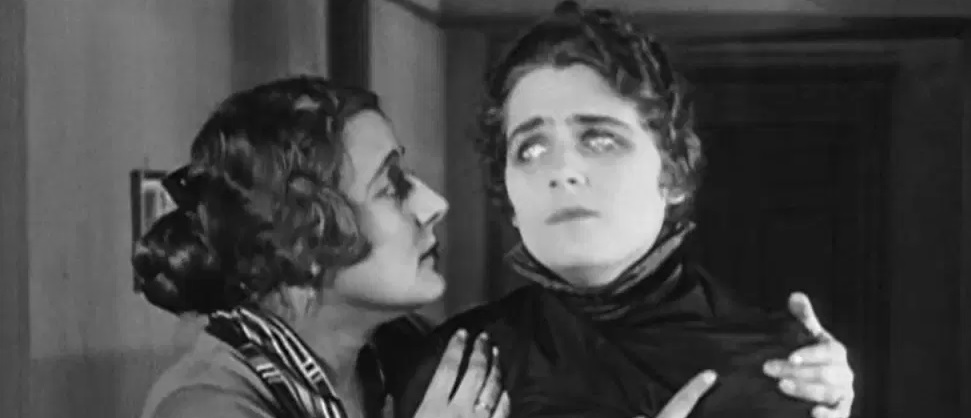
Among the most important performances are those given by Victor Sjöström, Tore Svennberg, and Astrid Holm. Sjöström (who also directed the film) had a fantastic emotional range, and did an amazing job playing a character who is so often despicable. On the flip-side, we have Astrid Holm, who was probably one of the most angelic characters seen in film. Tore Svennberg looks good as the driver of the phantom carriage, and his performance was solid.
The base idea around the phantom carriage – a carriage that goes around to pick up the souls of the deceased – was wonderfully-realized. Using double exposures, the spirits in the film just look amazing, and I’d put it against any modern-day special effects. It’s just damn impressive, and holds up to this day.
Though the horror within Körkarlen is limited, it’s still a classic worth seeing, and given that Sweden has never been one of the go-to countries for foreign horror (Germany, France, the United Kingdom, and Italy are hard to beat), horror fans should be happy with what they get. Classic movie fans should be overjoyed – The Phantom Carriage, despite personal misgivings with elements of the message, is a well-made and quite beautiful film, one very much worth experiencing.
8.5/10

 Jiggy's Horror Corner