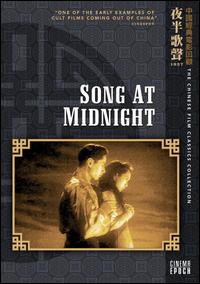
Ye ban ge sheng (1935)

song at midnight

Directed by Weibang Ma-Xu [Other horror films: Ye ban ge sheng xu ji (1941), Wu ye jing hun (1956), Du mang qing yuan (1961)]

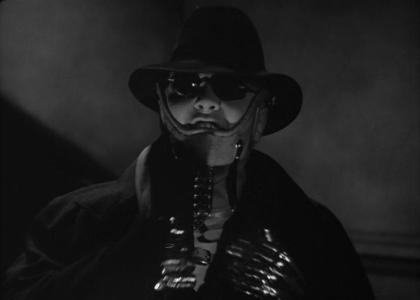
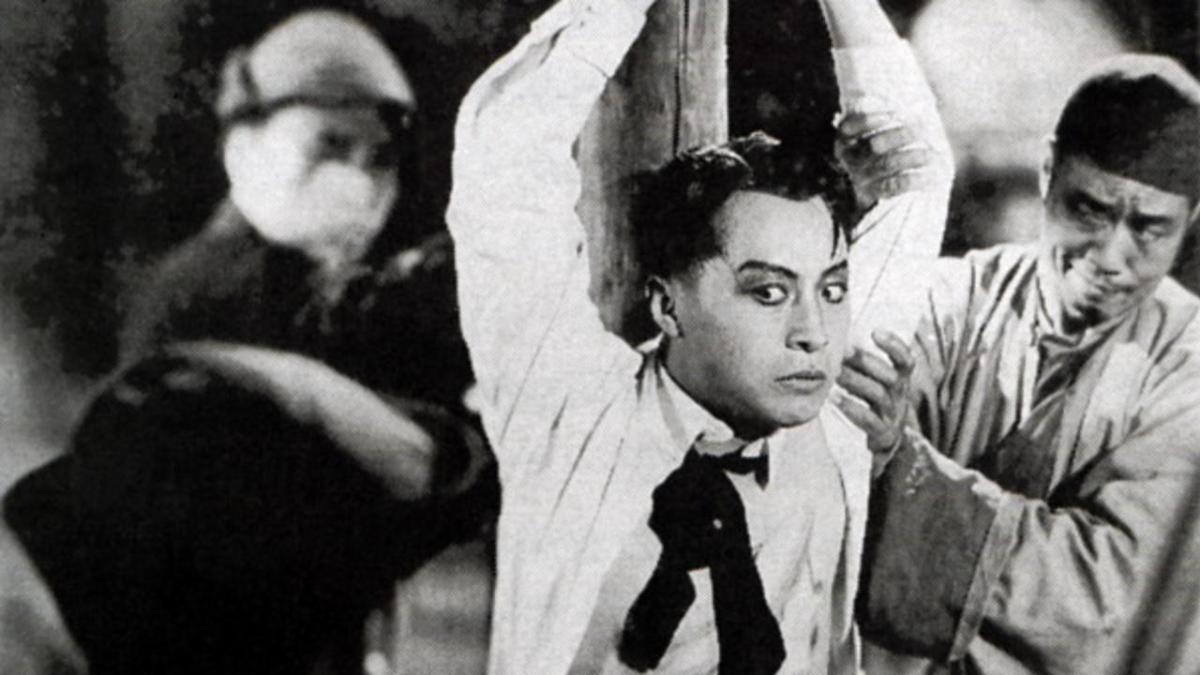
Often considered China’s first horror film, Ye ban ge sheng (or Song at Midnight, as it’s commonly known) is a piece of history in many ways. This Chinese adaptation of The Phantom of the Opera has much of the tragedy and suspense you’d hope to see, but it’s also muddled due both to the worn print and lengthy run-time.

To be honest, when I first saw this one years back, I don’t remember what I thought. Part of this may be because it was during October, and getting a feel for an individual horror film in a month where I watch at least thirty to forty (or as many of two hundred and seventy-five) can be difficult. Suffice it to say I didn’t remember all that much about this one before watching again, which may have helped temper my expectations.

The biggest problem with the movie itself is the almost two hour run-time. The first fifteen minutes of this movie were borderline incomprehensible, even with English subtitles. Easily, fifteen to twenty five minutes could have been cut, and I think it’d have brought a better sense of pacing to the movie.

Though not the film’s doing, the commonly-available print of this film has really been through the wringer. Audio issues, visual issues, odd cuts, it can sometimes be a hassle to get through. Once the story starts picking up around twenty minutes in, things tend to come across more comprehensively, but then a subplot later on sort of loses me a bit.

Given that this movie isn’t that well-documented, I can’t much point out performances I thought were good. The individual playing the Phantom of the Theater House was extraordinarily solid, and probably stole the show. Others, including the younger protegee, were good, but none captured the utter tragic existence of the Phantom (a twenty-minute flashback explaining how he came to be, each minute more heartbreaking than the last, stood out as one of the best segments of the film).

Really, the story could be riveting at times. There’s also some creepy scenes to keep us going (an early one with a troupe of actors exploring a rather decrepit theater house stands out, along with the unmasking), and some good revenge at the end. At times, the film felt a bit more like a silent film than American peers at the time, and the fight sequence toward the end felt weak, but generally speaking, this is a good film.

Sadly, what probably holds Ye ban ge sheng back the most is the atrocity of the print. I think that even those who are fans of classic horror would struggle with much of it, and that can certainly lead to a more negative feeling about the story. This movie is a classic, but I just don’t think it holds up as well as it should, not through much fault of it’s own. Just below average sounds about right, sadly.

6.5/10

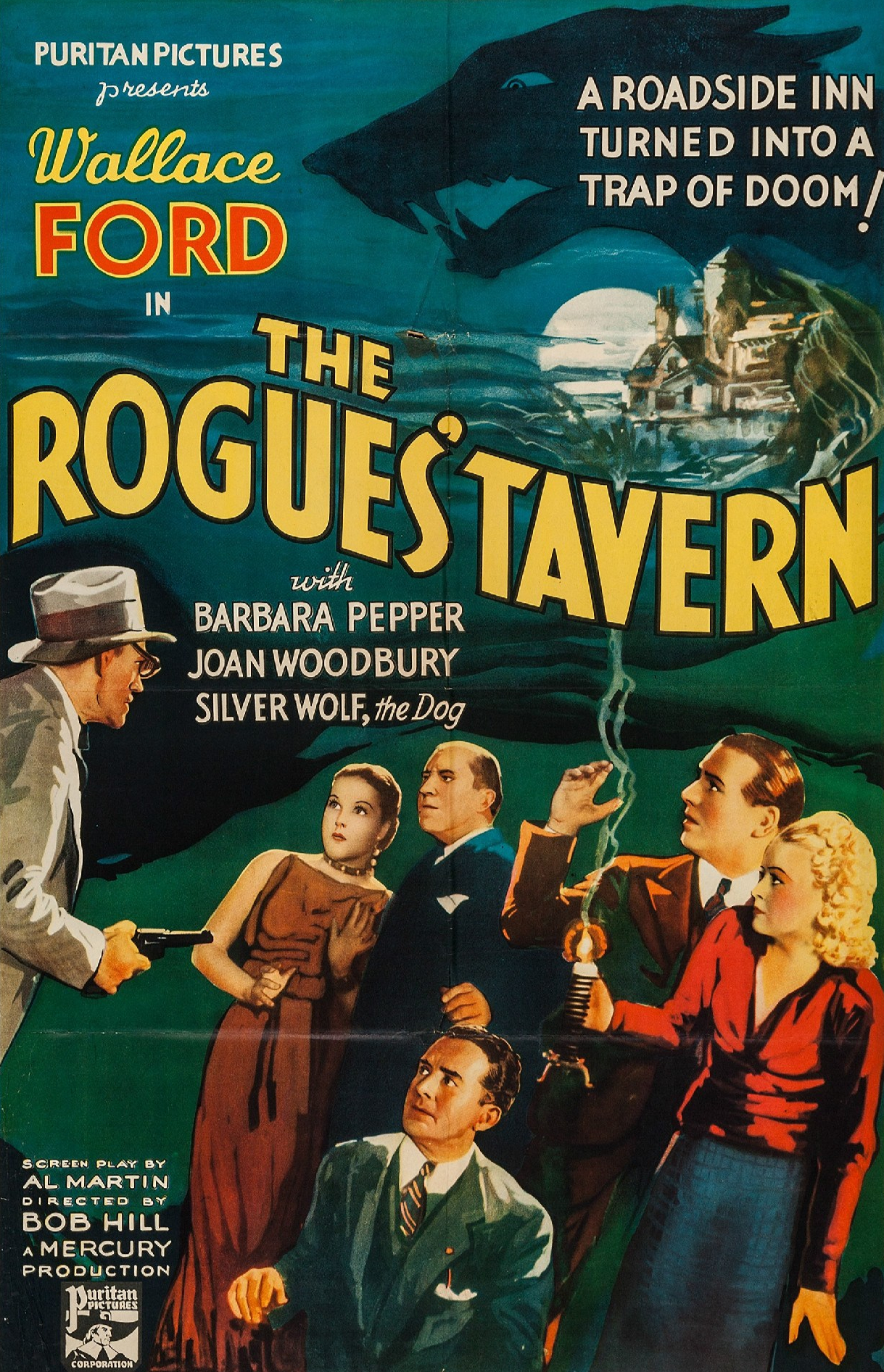
The Rogues’ Tavern (1936)

Rogues

Directed by Robert F. Hill [Other horror films: Shadow of Chinatown (1936, serial), Shadow of Chinatown (1936)]

Another dark-and-rainy night mystery movie? Yes, please. This B-picture, maybe even C-picture, lacks much of the artistic nature of some previous films in the genre (The Cat and the Canary, The Bat Whispers, etc.), but it still ends up a fun movie, though not as fun as others.

The story is pretty much what you’d expect, which I don’t mean as a negative. Generally, I like a lot of where this flick goes, what with the various red herrings and false leads, and the ending is pretty good with a rather surprisingly solid reveal.

Acting’s a bit of a mixed bag, but many of the most important characters (Wallace Ford, Clara Kimball Young, John Elliott, and Arthur Loft) did a pretty fine job. Barbara Pepper’s performance here could have been better, but I think it’s mostly the script, and not her, that was the problem. Joan Woodbury (who co-starred later in King of the Zombies) was a bit over-dramatic at times, but given she played a tarot card reader, that may make sense.

What hurts The Rogues’ Tavern the most, though, isn’t the sometimes less-than-stellar acting, it’s the third act, which seems to run a bit too long (despite the movie already being of shorter length). What may be worth mentioning also is that the print of this film most-commonly available has some glitches in the audio, and conversations sometimes can’t be heard. It didn’t happen that often, and I don’t know if it took away from the story, but there you go.

When all’s said and done, The Rogues’ Tavern is a fine example of this antiqued style of horror, but even as far as lower budget movies go, there are others I prefer, such as The Monster Walks and Midnight Faces. And while it’s not quite the same style, some of the witty banter here (much of which was actually pretty funny) reminded me a bit of A Shriek in the Night from 1933. This movie itself is a good way to pass the time, but it wouldn’t be my first choice. Still, an above-average flick.

7.5/10

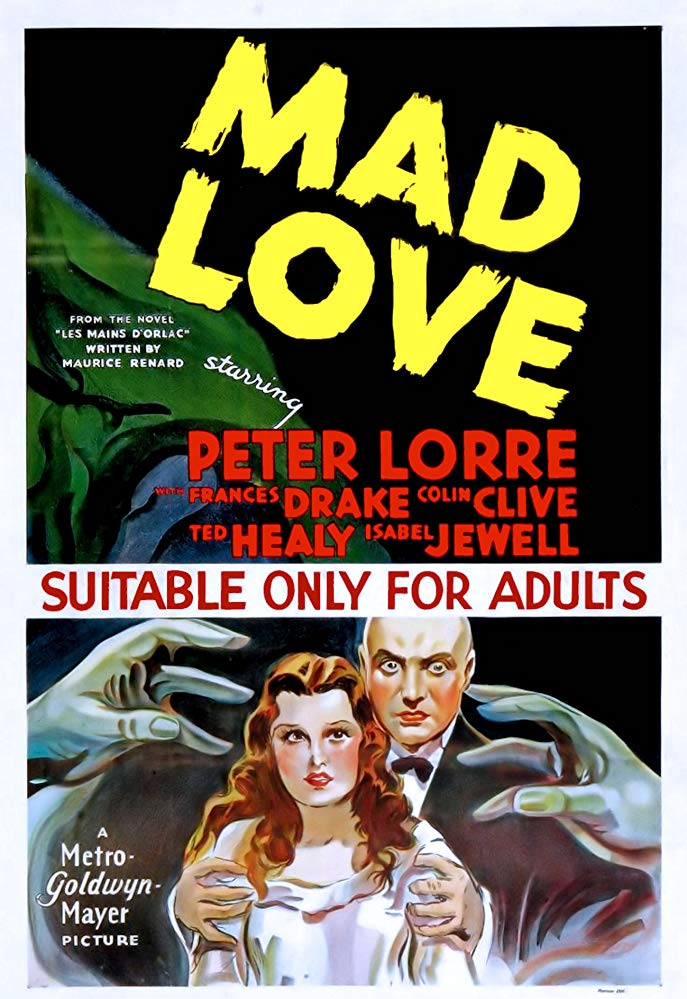
Mad Love (1935)

Mad Love

Directed by Karl Freund [Other horror films: Dracula (1931), The Mummy (1932)]

This is a classic of 30’s horror, and a definite recommendation to any other fans of the golden era of the genre.

Based off the French novel Le Mains d’Orlac (in English, The Hands of Orlac), this movie may be short (just around an hour and eight minutes), but it carries with it a lot of suspense and solid acting. The story works better here than other adaptations or rip-offs of the novel I’ve seen (such as Hands of a Stranger from 1962) because it focuses more on the crazy surgeon as opposed to the character who got a hand transplant.

Peter Lorre is the reason that this works so well – his character is so utterly insane that it’s rather amazing watching his onscreen performance (especially the conclusion). How he attempted to mess with Colin Clive’s character was both creative and rather creepy. Lorre’s by far one of the best reasons to watch this, which is saying something, as it’s already a really good film. Clive (who played Henry Frankenstein twice before his early death in 1937) was solid here too, as was Frances Drake, but Lorre, unsurprisingly, blew them out of the water.

One of the actresses was used almost purely for comedic relief, and was the one real downside of the film. Admittedly, when she said, referring to a wax statue, “it went for a little walk,” I laughed quite a bit. The director of this film, Karl Freund, also directed The Mummy, which is where that line originates from, so hearing it pop up again was pretty funny.

Mad Love is one of those films that might not seem as though it’s in the same league as Frankenstein or Dracula, or even Freaks, but it’s a shining light during the 30’s horror output. 1935 was also one of the last decent years for horror until 1941 or so, which only helps it’s case. Certainly the story is well-crafted, and the conclusion rather suspenseful, showing Lorre’s full madness, so if you’re a fan of the classics of the genre, and you’ve not yet given this a watch, I’d recommend doing so, as it’s just as spectacular now as when I last saw it.

8.5/10

The Ninth Guest (1934)

9th Guest

Directed by Roy William Neill [Other horror films: The Menace (1932), Black Moon (1934), The Black Room (1935), Frankenstein Meets the Wolf Man (1943), The Scarlet Claw (1944), The Pearl of Death (1944), The House of Fear (1945)]

Based off a forgotten novel from 1930 written by Gwen Bristow and Bruce Manning, The Ninth Guest is an extraordinarily fun spiritual predecessor to Agatha Christie’s Ten Little Indians (also known as And There There Were None).

While the story is certainly more mystery than it is horror, there are many suspenseful sequences in the film. The deaths are pretty good for the time period, my favorite being a rather brutal electrocution, complete with a terrible shrieking. The characters are all pretty interesting also, and the fact that they know each other (as opposed to Christie’s later work) lends to additional suspicion and tension as the film goes on.

Given the film is just over an hour, it’s not that much an investment, but even so, it’s still a positive that most of the performances are pretty entertaining. Vince Barnett (unsurprisingly) was used purely for comedic effect, and didn’t add much to the story. Everyone else, though, did well, my favorites being Sidney Bracey, Samuel S. Hinds, Edward Ellis, and Hardie Albright. Albright in particular was pretty captivating in his role, especially toward the end.

I really do love the mystery feel of these early horror films – The Bat, The Cat and the Canary, The Monster Walks; all films that I really enjoy. And given the classic set-up of this one, plus the pretty entertaining story, this movie really lives up to it’s expectations. I rather enjoyed it the first time I saw it, and this time I still found it a rather fresh film.

8/10

The Vampire Bat (1933)

Vampire Bat

Directed by Frank R. Strayer [Other horror films: The Monster Walks (1932), The Ghost Walks (1934), Condemned to Live (1935)]

I saw this once before, and this black-and-white flick, while not really classic, still holds up pretty well.

Just a few years since Dracula came out, I found it interesting how one of the main conflicts of the film is whether the deaths in a small village can be attributed to supernatural means (a vampire) or more pedestrian means (a serial killer). Of course, folklore runs rampant, and most villagers are terrified of the possibility of vampire attacks. Throw in a town misfit who has a thing for bats, and you have a potentially dangerous situation.

Really, the film is pretty fun, what with these elements coming together with both a solid cast and some occasionally interesting cinematography, creating a somewhat moody and mostly enjoyable film. The biggest problem are the dollops of comedy thrown in, mostly coming from Maude Eburne (who was also one of the actresses who brought down my enjoyment of The Bat Whispers, on a side-note).

The rest of the cast are extraordinarily good, though. Melvyn Douglas (who appeared a year earlier in The Old Dark House, and much later in 1981’s Ghost Story) made for a pretty good protagonist, and his conflicts against the superstitious villagers as to the cause of these deaths were a rather nice touch. Fay Wray (from Doctor X, The Most Dangerous Game, Mystery of the Wax Museum, King Kong, and Black Moon) didn’t really do all that much, but was a very fair piece of eye candy. Dwight Frye was fun to see here, as he played both Fritz from Frankenstein, and more memorably, Renfield from Dracula. He did good in this film, playing the mentally-handicapped village weirdo.

Lionel Atwill, of course, had a fantastic presence, and his various roles in other horror movies only help – his impressive horror resume includes Doctor X, Mystery of the Wax Museum, Murders in the Zoo, Secret of the Blue Room, Mark of the Vampire, Son of Frankenstein, The Gorilla, Man-Made Monster, The Mad Doctor of Market Street, The Ghost of Frankenstein, The Strange Case of Doctor Rx, Night Monster, Frankenstein Meets the Wolf Man, House of Frankenstein, Fog Island, and House of Dracula. Certainly not as prolific as Bela Lugosi, but still, he added a lot to both this movie and early genre pieces, as demonstrated by his impressive resume.

Frank Strayer, the director, who did a few other horror films from the time, didn’t really add a lot to the genre, despite how much I enjoy both this one and The Monster Walks. Still, he did well with the limited budget he had, and made a little moody piece, so that’s commendable.

The unnecessary comedic elements aside, The Vampire Bat is a rather solid black-and-white flick, and while it’s nowhere near the classic nature of Frankenstein, Dracula, or any of the Universal films, it’s still a good way to spend an hour, and if a fan of this classic period of horror, I’d recommend giving it a go.

8/10

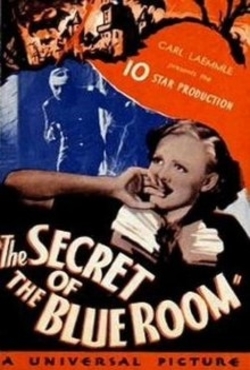
Secret of the Blue Room (1933)

Secret of the Blue Room

Directed by Kurt Neumann [Other horror films: She Devil (1957), Kronos (1957), The Fly (1958)]

This is a pretty fun flick, solid 30’s horror movie.

The story here is pretty fun, what with a room that, if one sleeps in it, they end up dead. A good plot idea to play with, which leads to a rather satisfying conclusion. At the same time, they could have added a little more meat to the movie, and as it’s only an hour and six minutes, they certainly had some time, should they had wanted to use it. Good video and audio quality, too, of a movie from this time period.

The cast is pretty solid throughout. Lionel Atwill (who appeared in plenty of other horror films, such as The Vampire Bat, Doctor X, Mystery of the Wax Museum, Murders in the Zoo, Mark of the Vampire, and about six or so others) has a good presence here, and really shows why he’s often cast in these types of films. Gloria Stuart did pretty okay here, though she was overwhelmed with the hysterics often placed on female characters back in these films. The fact that she later played the elderly Rose in Titanic is really the most interesting thing about her appearance here. Paul Lukas, who played a rather straight-laced character, gave a great performance also.

Edward Arnold (who did very little for the genre, but has a solid resume overall) had a really fun character with snappy dialogue, and virtually every time he was on-screen, I had a fun time. Onslow Stevens, William Janney, and Robert Barrat all stood out also, and as they make up a large amount of the main characters, that’s only a positive thing.

Kurt Neumann, the director, didn’t do a lot of the genre (aside from directing The Fly, he only did a handful of other horror movies), but this was a pretty good movie. Digestible, enjoyable, and while they could have added a little more to the film, still a good time.

I liked a lot of things about this film – the mystery, the conclusion, the overall story. I certainly feel that this one is overlooked, and I recommend it highly if you’re a fan of those early mystery-horror films that made the 1920’s and 1930’s a special time.

8/10

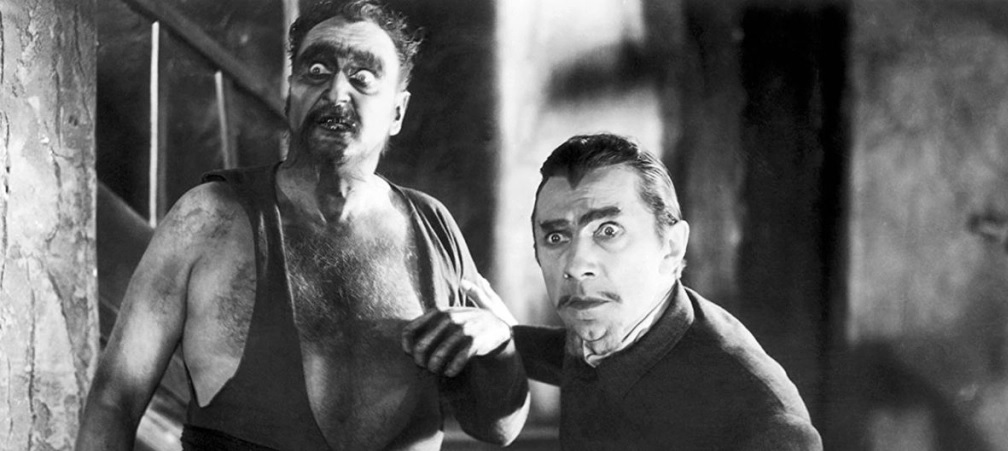
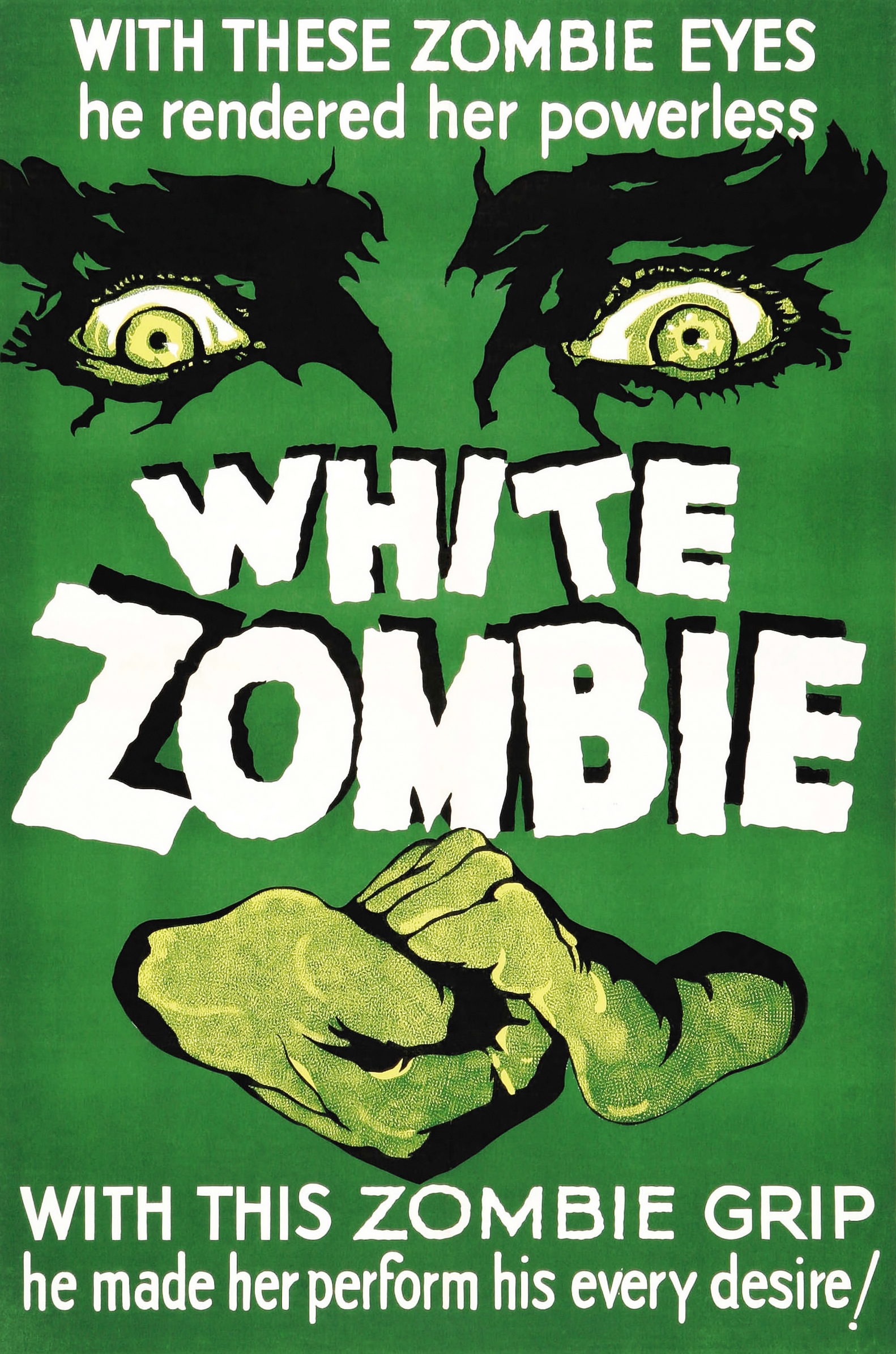
White Zombie (1932)

White

Directed by Victor Halperin [Supernatural (1933), Revolt of the Zombies (1936), Torture Ship (1939), Buried Alive (1939)]

Often regarded as the first-ever zombie film, I have to admit, I liked this flick more the last few times I saw it as opposed to this last viewing.

Make no mistake, White Zombie is still a classic film – there are some great sets (both the crypt/graveyard and the castle at the end), some solid performances, quite a bit of creepy imagery, and an overall good story. At the same time, despite running for just over an hour (hour and seven minutes, to be exact), I still felt a bit bored at times.

Made a year after the classic Dracula, Bela Lugosi does really well as the antagonist. Related, Robert Frazer also has a solid presence, and his final act really brings his character arc together. John Harron was an interesting lead actor, mainly because he has a smaller physique than I’m used to seeing, but it still worked well. Lastly, playing his wife, Madge Bellamy does well as both a young, enthusiastic woman and as a zombie, so props to her.

Given the movie’s shorter, whenever I felt the plot drag, it was rather disappointing. What probably made it a little worse is the fact that while the visual print I saw was impeccable (very crisp black-and-white, which isn’t at all like the commonly available print of this one), the audio quality suffered a bit, and because of that, it wasn’t uncommon for it to be difficult to pick up some of the dialogue.

Like I said, though, this movie is still a classic. It was never my favorite of the 30’s horror output, but it was always an acceptable film. It still is, though like I said, I liked it more during previous viewings. Definitely worth a watch, my issues notwithstanding, if you’re a fan of classic horror.

6/10

The Monster Walks (1932)

Monster Walks

Directed by Frank R. Strayer [Other horror films: The Vampire Bat (1933), The Ghost Walks (1934), Condemned to Live (1935)]

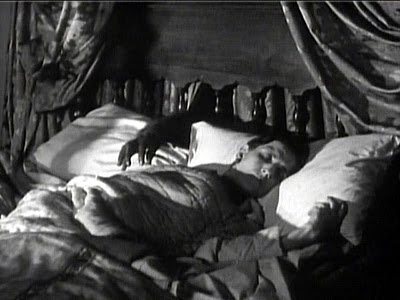
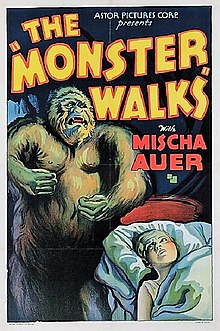
Maybe I’m an easy guy to please. This film is entirely pedestrian, even for the time period. A dark and stormy night. A reading of a will. An old, creaky house with secret passages, moving picture frames, and a gorilla. A hand reaching out to an unsuspecting victim’s neck. And more than a few red herrings.

I’ve seen this film three or four times, though, and I still absolutely love it.

The movie was made cheaply – it’s pretty obvious. But the creaky atmosphere, mixed with the constant storm and clues and someone trying to figure out what’s going on, it’s all so fun. I don’t know if I can explain it any more than that – I’ve always had a very fun time with this movie.

There’s not a performance here that isn’t decent. It is extraordinarily unfortunate that black actor Willie Best (who, I kid you not, is credited in this movie as Sleep ‘n Eat) was given the role of a cowardly black chauffeur, who is used purely for comedic purposes (as was so common in those racially disgusting days). He does a good job despite the racist role he was given. Martha Mattox (who was also in 1927’s The Cat and the Canary, Murder by the Clock, and a horror-western with John Wayne called Haunted Gold from 1932) was pretty fun here, though her role wasn’t really too far removed from her previous works.

Mischa Auer (who was also in the serial King of the Wild, along with 1931’s The Drums of Jeopardy) was quite threatening in this one, and had a very solid presence. Playing an invalid man, Sheldon Lewis (who was not only in the less popular Dr. Jekyll and Mr. Hyde from 1920, but also Seven Footprints to Satan, a favorite silent horror film of mine) had a decent role, though I sort of wish a bit more was done with him. Rex Lease, our main protagonist, was pretty cookie-cutter, but did a fine enough job as to not warrant any complaints.

In total, this movie clocks in at an hour long, which doesn’t give it much time to play around with. I think, for the budget, they do a good job here making an entertaining and enjoyable movie. I’ve seen this film quite a few times, and I still find myself enjoying it. Maybe that means I’m an easy guy to please, but whatever the cause, I find this a movie that, despite it’s pedestrian nature, fans of 30’s horror would enjoy.

8.5/10

Island of Lost Souls (1932)

Island

Directed by Erle C. Kenton [Other horror films: The Ghost of Frankenstein (1942), House of Frankenstein (1944), House of Dracula (1945), The Cat Creeps (1946)]

This is one of those classics that I enjoy, but don’t absolutely love. I’d say, though, if you’re a fan of 30’s horror, then this is one that you should definitely give a go, as it certainly hovers around average, if not a bit better.

Based off a novel by H.G. Wells, the story here is pretty interesting, and the film has some ominous undertones due to it. The setting, a house in the middle of a jungle, on an uncharted island, was suitably insular, and it had a pretty creepy vibe to it. The ‘natives’ and their restlessness, too, enhanced the film’s tension, boiling over at the end in a fantastic finale.

It’s a great cast all-around. Charles Laughton does amazing as the smooth-talking, suave mad scientist. Absolutely loved his performance here. Richard Arlen was your generic 30’s protagonist, but got along just fine. Leila Hyams (also in the classic Freaks from the same year), Kathleen Burke (also in Murders in the Zoo from 1933), and Arthur Hohl were all good additions also. Lastly, Bela Lugosi, though it’s a bit hard to tell it’s him, does pretty good also, as you can imagine.

This movie is darker than you might expect from the 30’s, and the ending is downright brutal, which only makes it better. That said, I don’t love the movie – it’s a good way to spend some time, and it certainly is a classic of the genre, but there are plenty of other early 30’s horror films I’d rather watch. Still, it’s certainly worth at least one watch, and having seen it twice or three times now, it’s still easy to attain enjoyment from it.

7.5/10

Murder by the Clock (1931)

Murder by the Clock

Directed by Edward Sloman [Other horror films: N/A]

I have to admit, while this early 30’s flick is still pretty good, and a much overlooked classic, I didn’t quite love it as much as did when I first saw it.

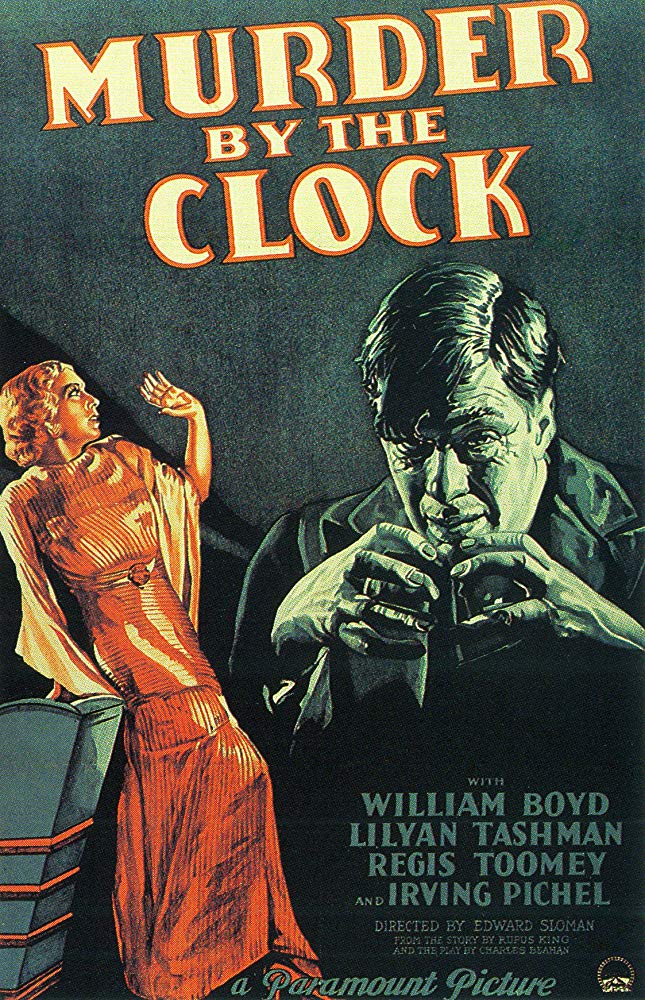
The atmosphere of the film is great, and what with a graveyard, a mausoleum, and a pretty decent old house, there was a rather Gothic feel about this whole affair. Plot-wise, I think it was pretty fun too, with a young woman turning men into killers by just her wiles and intellect. It’s fun, really, seeing her trying and consistently being able to outsmart the police, and funner still to see her plans in action.

As you can imagine, a lot of this movie is driven by the characters. First-and-foremost, Lilyan Tashman (who died just three years after this movie at the age of 37 from cancer) did amazing as the villainess, and you couldn’t help but hate her character upon seeing her trying to emotionally manipulate four different men into doing what she willed. It was an impressive and somewhat captivating performance. William ‘Stage’ Boyd (who, oddly enough, died just four years after this film at 45) did decent as the main protagonist, though I don’t think we really saw enough of him to make that much a positive impact. Another individual who didn’t get a bunch of screen-time was Blanche Friderici (who died just two years after this film; Murder by the Clock seems more like Murder by This Movie), but I immensely enjoyed her as a miserly old woman. Lastly, Walter McGrail (who, gasp, lived until the year 1970) played a convincing mentally-challenged man, and was consistently solid throughout.

As fun as both the cast and story are, though, and even though the movie is just around 72 minutes long, I couldn’t help but feel that it was dragging a bit in the middle. We got some great sequences at the end, but building up to them was a longer process than I remembered it being. Murder by the Clock is still a good movie, and an overlooked highlight of the early 30’s, but it’s not amazing. Still, it may be worth a watch if 30’s horror is your cup of tea.

7.5/10