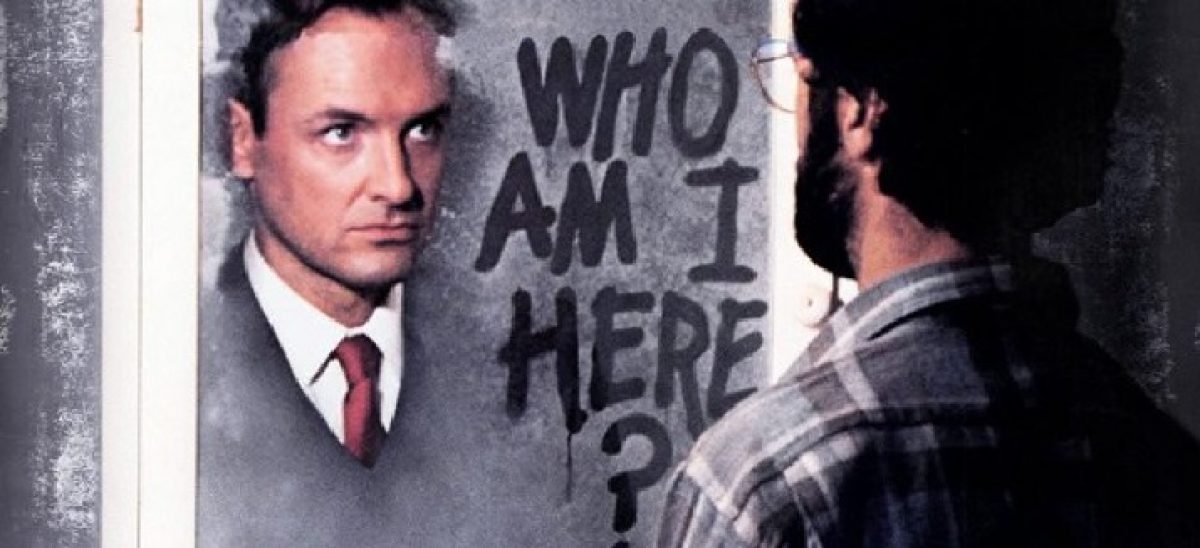


Directed by Pupi Avati [Other horror films: Balsamus l’uomo di Satana (1970), Thomas… …gli indemoniati (1970), Tutti defunti… tranne i morti (1977), Zeder (1983), L’amico d’infanzia (1994), L’arcano incantatore (1996), Il nascondiglio (2007), Il signor Diavolo (2019), L’orto americano (2024)]
I have to admit that, though I expected a decent amount from this giallo, given the positive reception I’ve heard as long as I’ve known about the movie, La casa dalle finestre che ridono struck me as more than a little disappointing.
Commonly known as The House with Laughing Windows, this Italian movie definitely had some charm to it, not to mention tension and a pretty foreboding atmosphere, but I also don’t know if they explained everything as well as they could have.
And I don’t like saying this, either. The movie currently has a 7/10 on IMDb (with 5,394 votes), and since finishing it, I’ve read theories and ideas on some of the things in the film, such as how it’s a take on Italy’s cowardice during Mussolini’s reign. A lot of these ideas are interesting, but I usually expect gialli to lay at least a decent amount of it out, and that’s not what happened here.
Sure, there’s a shocking scene at the end. Anyone who’s seen this movie knows the scene I’m talking about. But what does it mean? I have no trouble buying that there’s a mass culture of silence in the community (as it’s pretty clearly stated in the movie), but there’s so many unanswered questions that, no matter how atmospheric and oppressive the movie is, I’m bothered by it.
The performances weren’t the issue here – Lino Capolicchio (Il signor Diavolo) made for a perfectly fair lead, Francesca Marciano an acceptable love interest, Giulio Pizzirani was good while he appeared, and Pietro Brambilla, while odd, was okay. Vanna Busoni’s character appears for five minutes, but then entirely disappears, which was an interesting choice.
The red herrings throughout weren’t bad ideas, but some of them (such as the watch Fransesca Marciano’s character has) seem to be set up, only to never be mentioned again. The whole movie, on a side-note, seems to move pretty quickly, but there were times when I was wondering what exactly was worrying the characters, as little we’d seen up to that point really seemed worth being frightened over.
Not everyone needs answers, and obviously, plenty of people enjoyed this one quite a bit. I was hoping to be one of them, but I just can’t. Maybe I can grow to appreciate this one with future watches, but the fact that so much is left unclear rubs me the wrong way. If I wanted an artistic allegory about post-fascist Italy, I wouldn’t be a horror fan, and this one, while it has it’s strong elements, just felt off to me.
6/10

 Jiggy's Horror Corner
One thought on “La casa dalle finestre che ridono (1976)”